
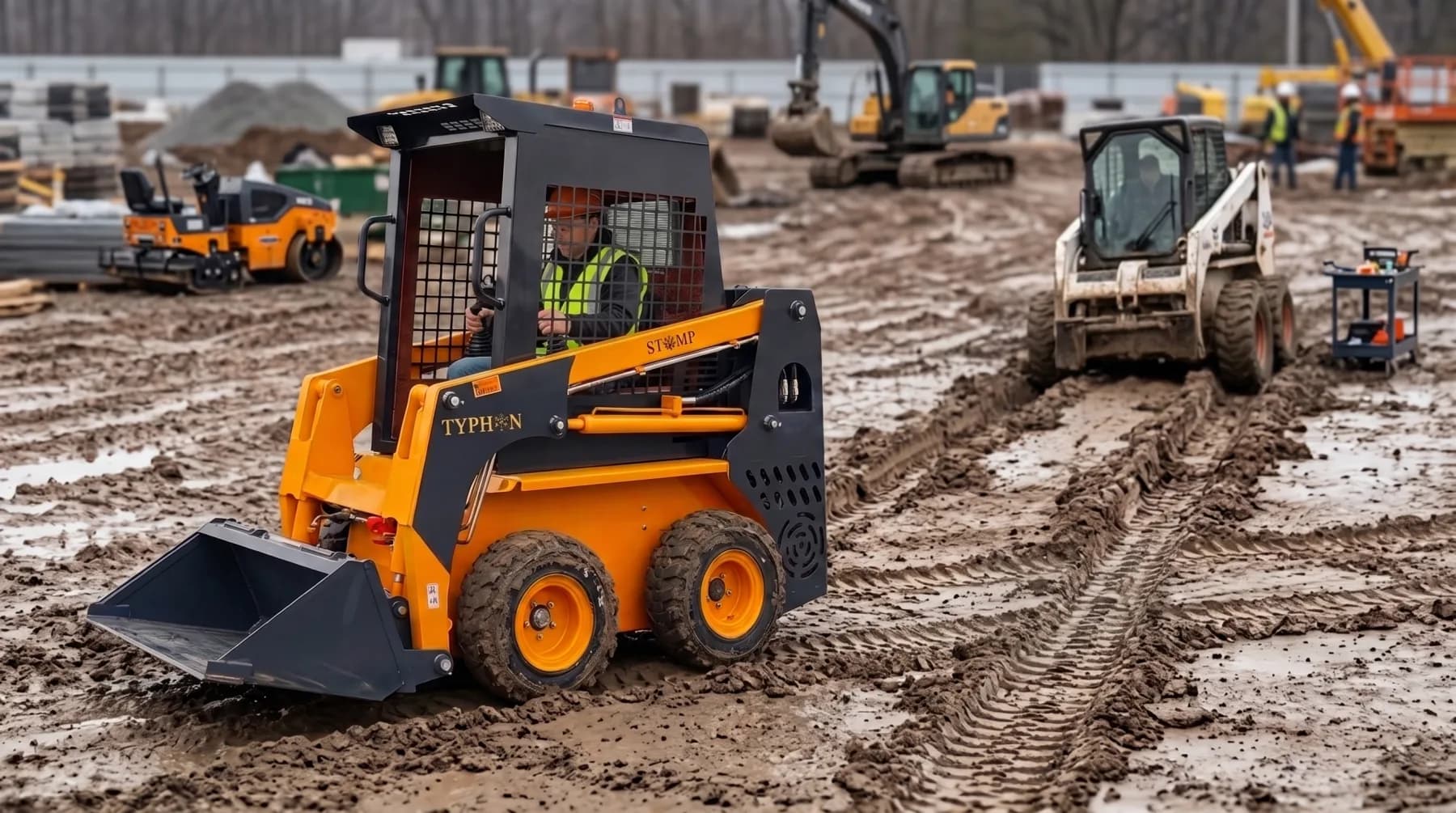
Why Tire Width Can Improve Traction and Flotation

The moment a machine enters soft, wet, or uneven ground, tire width becomes a major factor in how well it performs. A narrow tire can cut deeper into loose soil, increase ground pressure, and make traction harder to maintain. A wider tire spreads the machine’s weight across a larger area, helping it stay on top of challenging surfaces and maintain forward movement when conditions get difficult.
Tire selection is not simply about choosing the widest option available. The best fit depends on the terrain, machine weight, load demands, and the type of work being performed most often. This guide explains how tire width affects flotation, grip, and stability, when wider tires provide an advantage, when narrower tires are more practical, and what factors should be considered before making a decision.
Beyond width alone, the tire’s tread design, soil conditions, and operating environment also influence real-world performance. A properly matched tire setup helps reduce unnecessary ground damage, improve machine control, and keep productivity consistent across changing jobsite conditions.
How Tire Width Affects the Ground Beneath You
To understand the impact of tire width, you need to look at what the tire is actually doing where the rubber meets the dirt. Every tire presses your machine's weight into the ground across a contact patch, and the size and shape of that patch decides how well you grip and how far you sink. Width changes that contact patch dramatically, and with it, how the machine behaves.
A wider tire spreads the machine’s weight over more surface area, reducing ground pressure and improving flotation on soft terrain. A narrower tire creates more concentrated pressure, which can help with tasks where penetration and a smaller footprint are beneficial.
Traction: Grip Where the Rubber Meets the Ground
Traction is your tire's ability to grab the surface and turn engine power into forward movement. A wider tire lays down a bigger contact patch, putting more tread on the ground and giving the machine more surface to push against. On loose or soft terrain, that extra footprint helps the tire find grip instead of spinning helplessly in place.
But width alone isn't the whole story. On firm ground, a narrower tire concentrates the machine's weight onto a smaller patch, which can actually dig the tread in and bite harder. So traction depends on both the tire and the surface, and the widest tire isn't automatically the grippiest one on every job.
Takeaway: Wider tires generally boost traction on soft, loose ground by spreading tread contact, while narrower tires can bite harder on firm surfaces where concentrated weight helps the tread dig in.
Flotation: Staying on Top Instead of Sinking In
Flotation is the tire's ability to keep the machine riding on top of soft ground rather than sinking into it. It comes down to ground pressure, the machine's weight divided by the contact area. Spread that weight across a wider tire, and the pressure on any single spot drops, so the tire is far less likely to punch through the surface.
That's why wide tires shine in mud, sand, snow, and saturated soil. By lowering ground pressure, they let a heavy machine cross ground that would swallow a narrow tire whole. The wider the footprint, the more the machine floats, protecting both your progress and the surface underneath.
When Wide Tires Win
Wide tires become valuable when the ground is soft, loose, or easily disturbed. Their larger footprint reduces ground pressure and distributes the machine’s weight more evenly, helping improve flotation and maintain traction where narrower tires may sink or lose grip.
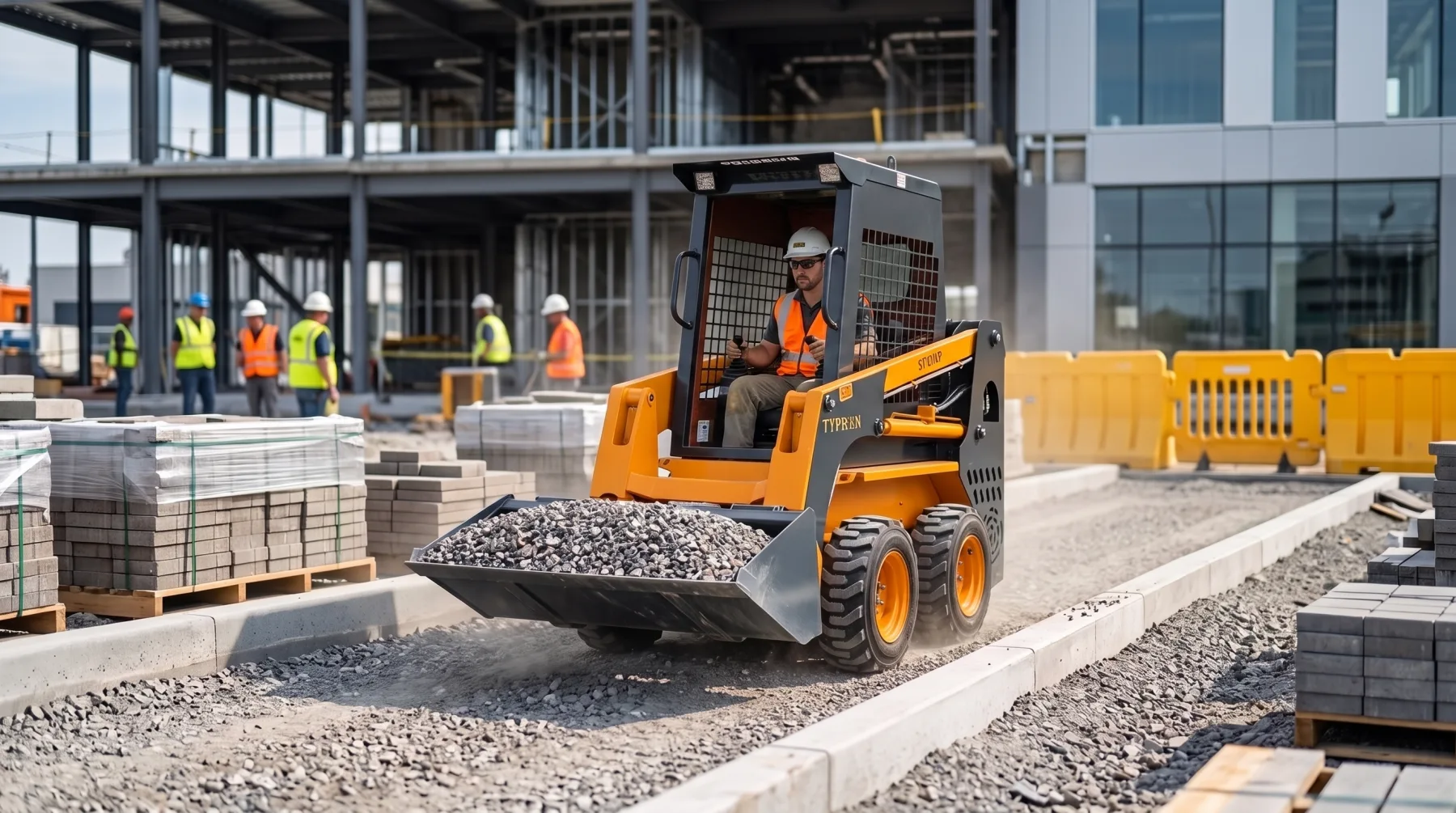
This setup is especially useful in muddy fields, sandy areas, and sensitive surfaces where protecting the ground matters as much as moving the machine. By staying closer to the surface, wide tires help improve stability and keep productivity consistent in difficult terrain.
Soft, Wet, and Loose Terrain
Soft ground is where wide tires prove their worth every pass. Mud, sand, loose soil, and snow all give way under concentrated weight, so a narrow tire sinks, spins, and stalls the work. A wide tire spreads the load, keeps ground pressure low, and lets the machine keep moving across surfaces that would strand a narrower setup.
That flotation pays off in real productivity. Instead of digging ruts, losing traction, and burning fuel fighting the ground, the machine stays on top and keeps working. On seasonal, wet, or sandy sites, wide tires often decide whether you work the day or spend it pulling equipment out of the muck.
Protecting Sensitive Surfaces
Wide tires also matter when the ground itself needs protecting. On finished lawns, sports fields, golf courses, and established turf, low ground pressure keeps the machine from cutting ruts, tearing sod, and leaving damage behind. Spreading the weight across a wide footprint preserves the surface you're working on.
That protection carries a real business value. Contractors doing landscaping, agricultural, or grounds work often live or die by leaving a clean, undamaged surface behind. Wide tires that tread lightly help you finish the job without creating expensive repair work or unhappy clients.
Takeaway: Reach for wide tires on soft, wet, loose ground and on sensitive surfaces, where low ground pressure delivers the flotation to keep moving and the gentleness to protect what's underneath.
When Narrow Tires Are the Better Choice
Narrow tires aren't the weaker option; they're the right tool for firm ground and precise work. By concentrating weight onto a smaller contact patch, they create stronger ground pressure, helping the machine maintain traction on compact surfaces and paved areas. Their slimmer profile also allows better maneuverability in confined work zones where wider tires may struggle to pass. When the ground is stable and access is limited, narrow tires provide the control, efficiency, and flexibility needed to get the job done.
Another advantage of narrow tires is their ability to improve machine stability and reduce resistance on hard surfaces. They help operators achieve smoother movement, easier steering, and better efficiency when working on firm terrain where traction and precision are more important than flotation.
Firm Ground and Concentrated Grip
On hard, compacted, or paved surfaces, a narrow tire puts the machine's weight onto a smaller footprint, which can help the tread dig in and grip. Where flotation isn't a concern because the ground won't give way, that concentrated pressure often translates into solid, reliable traction without any need for a wide footprint.
Narrow tires also tend to roll with less resistance on firm ground, which can mean better fuel efficiency and easier handling. When your work stays on solid surfaces, you gain little from a wide tire's flotation and may simply be paying for capability the ground never demands.
Tight Spaces and Specialized Work
Narrow tires excel where clearance and precision matter. In row-crop farming, the slim profile lets a machine pass between planted rows without crushing crops, a job a wide tire physically can't do. In tight, confined worksites, that narrower stance helps the machine fit and maneuver where a wider setup would be blocked.
This makes narrow tires the standard for specialized applications built around access rather than flotation. When the work demands threading through tight gaps, straddling rows, or fitting a defined space, the narrow tire isn't a compromise; it's the only setup that does the job.
Takeaway: Choose narrow tires for firm ground and tight, specialized work, where concentrated grip, lower rolling resistance, and a slim profile matter more than flotation ever will.

How Load, Terrain, and Application Steer the Choice
The right tire width isn't a habit; it's a decision that fits the work. Your load weight, the ground you cross, and the specific application all point toward one width or the other. Read the job honestly, and the smarter choice usually becomes clear before you compare a single spec.
Choosing the correct tire width can also improve productivity, reduce wear, and help the machine perform more efficiently in daily operations. The best option is the one that matches your working conditions and supports the tasks you handle most often.
Weigh Your Load Against Your Ground
Start with how much the machine weighs and where it works. A heavy machine on soft ground drives up ground pressure fast, so it needs a wide tire to float and avoid sinking. A lighter machine, or one that stays on firm surfaces, can run narrower without punching through, since the pressure it puts down stays manageable.
The interaction between load and terrain is what matters most. The same weight that crosses dry, packed ground fine on a moderate tire will bury itself in wet clay without a wider footprint. Match your tire width to your heaviest realistic load on your softest realistic ground, not the easy days.
Match Width to the Application
Next, look hard at the work itself. Earthmoving and agricultural jobs on soft, variable ground reward wide tires that float and grip across changing conditions. Row-crop work, tight-site tasks, and firm-surface operations point toward narrower tires built for access and concentrated traction.
Be honest about where your hours actually go. A machine that spends most of its time on soft or mixed ground shouldn't run narrow tires for the rare firm day, and a machine working tight rows shouldn't carry wide tires that can't fit the gaps. Match the width to your everyday application, and the exceptions sort themselves out.
Takeaway: Let your load, your ground, and your application drive the decision, and you'll match tire width to the job you actually run instead of the one you run once in a while.
Conclusion
Tire width isn't about choosing the largest option; it's about selecting the right fit for the terrain and application. Wider tires reduce ground pressure, improve flotation, and provide better performance on soft, wet, or loose surfaces while helping protect sensitive ground. Narrow tires, on the other hand, deliver stronger traction on firm surfaces and offer better access in areas where wider tires may limit maneuverability.
The best operators choose based on real job conditions, not routine preferences. They consider load requirements, ground type, clearance, and machine compatibility before making a decision. By matching tire width to the work environment, they can improve traction, reduce surface damage, and keep the machine performing efficiently across different applications.
Frequently Asked Questions
Do wider tires reduce fuel efficiency?
Wider tires can slightly increase fuel use on firm surfaces because they create more rolling resistance. However, on soft terrain, they often improve efficiency by reducing wheel slip and helping the machine move with less effort. The best choice depends on the ground conditions where your machine works most often.
How does tire width affect ground pressure?
Tire width affects how the machine’s weight is distributed across the surface. Wider tires spread the load over a larger area, reducing ground pressure and helping protect soil, turf, and sensitive surfaces. Narrow tires place more pressure on a smaller area, which can improve traction on firm ground.
Does tire width affect machine handling?
Yes, tire width can influence how the machine moves and responds. Wider tires can provide better flotation and smoother operation on uneven terrain, while narrow tires offer easier maneuverability in confined areas. The ideal width depends on the machine, job conditions, and type of work.