
Hydraulic Maintenance Checklist for Compact Heavy Equipment
Use this hydraulic maintenance checklist to reduce downtime, spot leaks early, protect pumps, and keep compact equipment working longer.

Daily inspection habits
Hydraulic problems often start small. A quick walkaround can reveal hose wear, wet fittings, damaged couplers, low fluid, or debris near hydraulic lines.
Train operators to inspect before the machine is hot, after attachment changes, and before transport.
Fluid quality and contamination
Hydraulic systems depend on clean fluid. Dirt, water, and metal particles can damage pumps, valves, cylinders, and motors.
Keep couplers clean during attachment swaps and use correct fluid specifications for the machine.
When to stop the machine
Stop operation if a hose fails, hydraulic oil sprays, the system loses lift strength, or a fitting leaks under pressure. Hydraulic injection injuries are serious and require immediate medical attention.
Equipment Match Support
Need fitment or delivery guidance?
Send your machine model, attachment needs, delivery ZIP code, and unloading details so support can prepare the right quote path.
Frequently Asked Questions
How often should hydraulic fluid be checked?↓
Operators should check hydraulic fluid during routine pre-operation inspections and follow the machine manual for service intervals.
What is the first sign of hydraulic trouble?↓
Slow attachment response, whining sounds, visible leaks, heat, foaming fluid, or weak lift performance can indicate hydraulic issues.
Keep Reading
Related Guides & Articles
 Skid Steer Guides
How to Choose a Skid Steer Loader for Construction, Landscaping, and Property Work
A buyer-focused guide to sizing a skid steer loader, comparing hydraulic needs, reviewing lift capacity, and choosing attachments for real jobsite work.
 Equipment Comparisons
Skid Steer vs Mini Excavator: Which One Should You Buy?
Compare a skid steer and mini excavator by digging, loading, grading, attachments, transport, property work, and ownership priorities.
 Skid Steer Guides
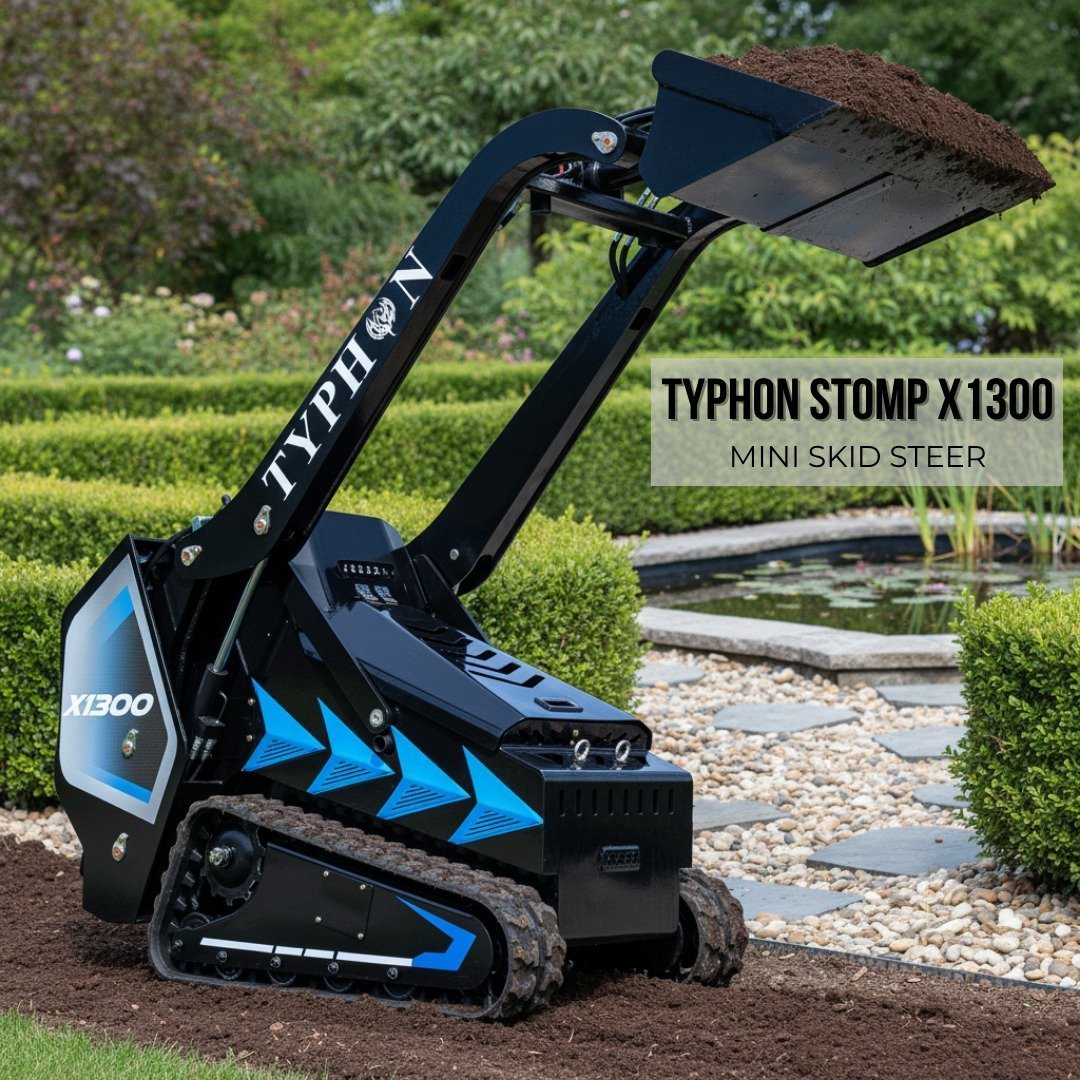
Is a Mini Skid Steer Worth It for Landscaping?
A landscaping buyer guide for deciding when a mini skid steer makes sense for grading, mulch, soil, planting, cleanup, and tight-access property work.