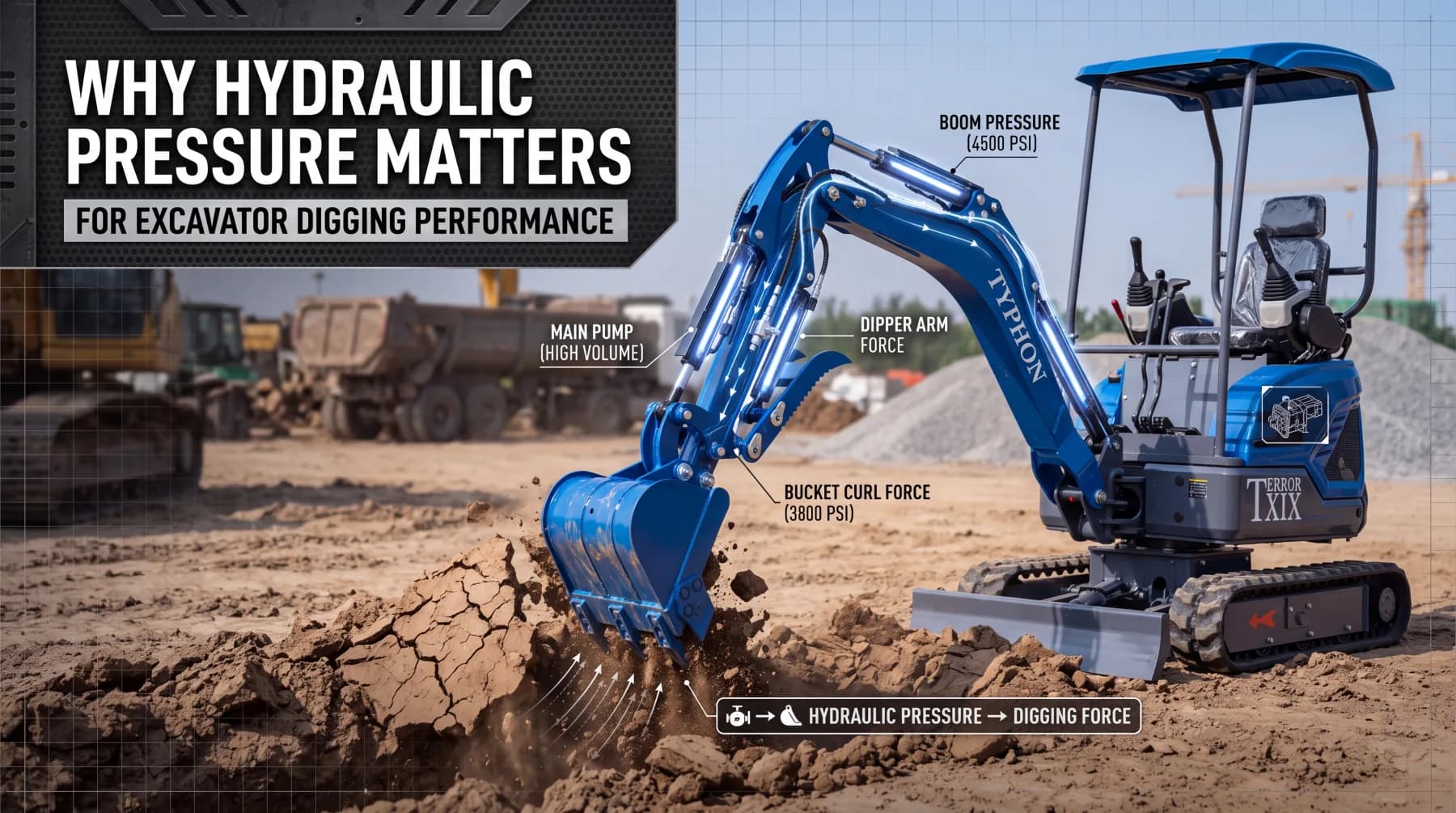
An excavator's ability to bite into hard ground, break through packed clay, and lift heavy material comes down to one thing working behind the scenes: hydraulic pressure. It's the invisible force that turns engine power into the muscle you feel at the end of the bucket. When that pressure is right, digging feels effortless and productive. When it slips, even simple tasks turn into a struggle. Understanding how hydraulic pressure shapes digging performance helps you get the most from your machine, spot problems before they cost you, and keep production steady. This post explains how pressure creates digging force, how it connects to overall power, how flow affects speed, what low pressure looks like, and how to maintain it.
How Hydraulic Pressure Creates Digging Force
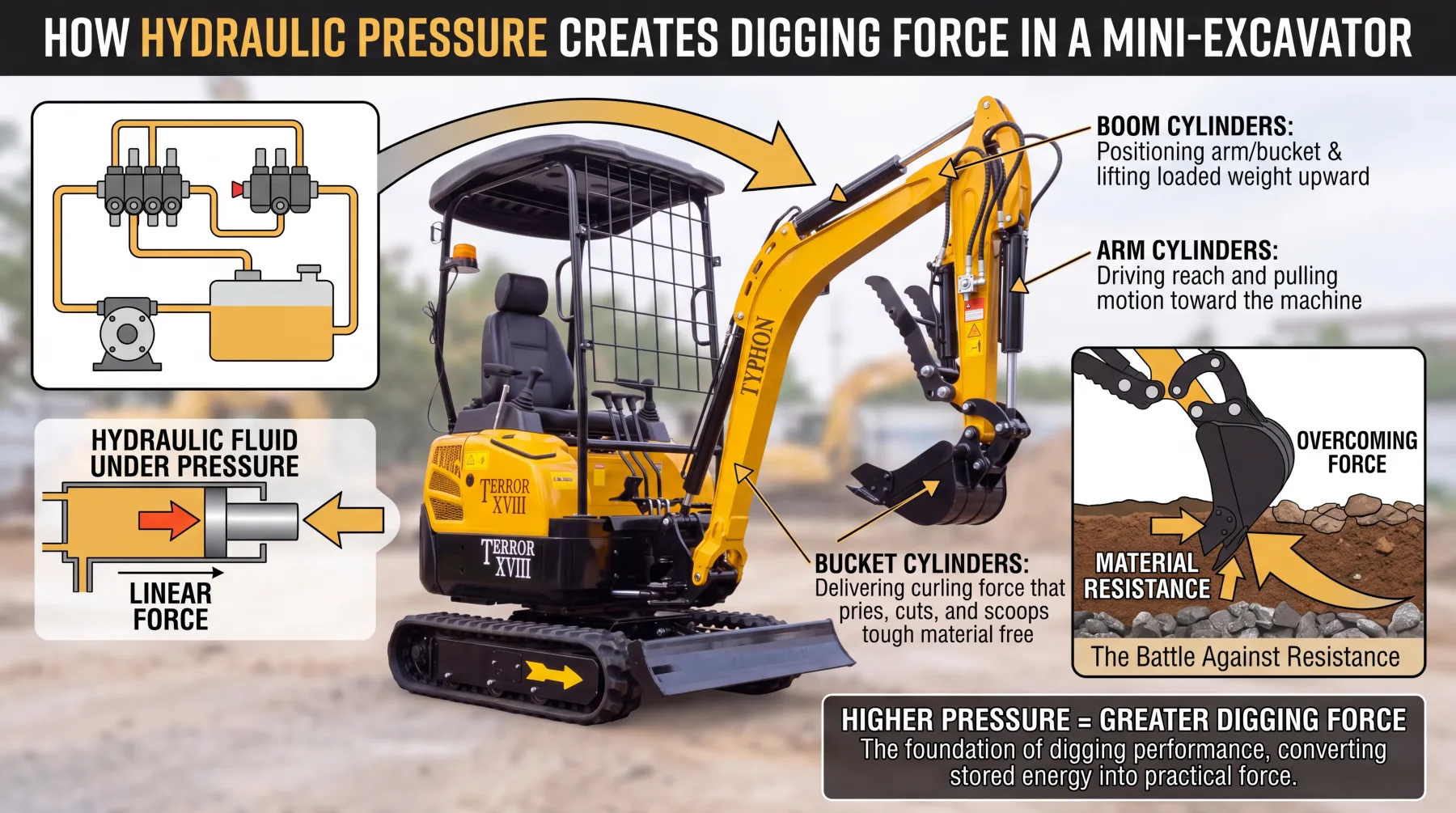
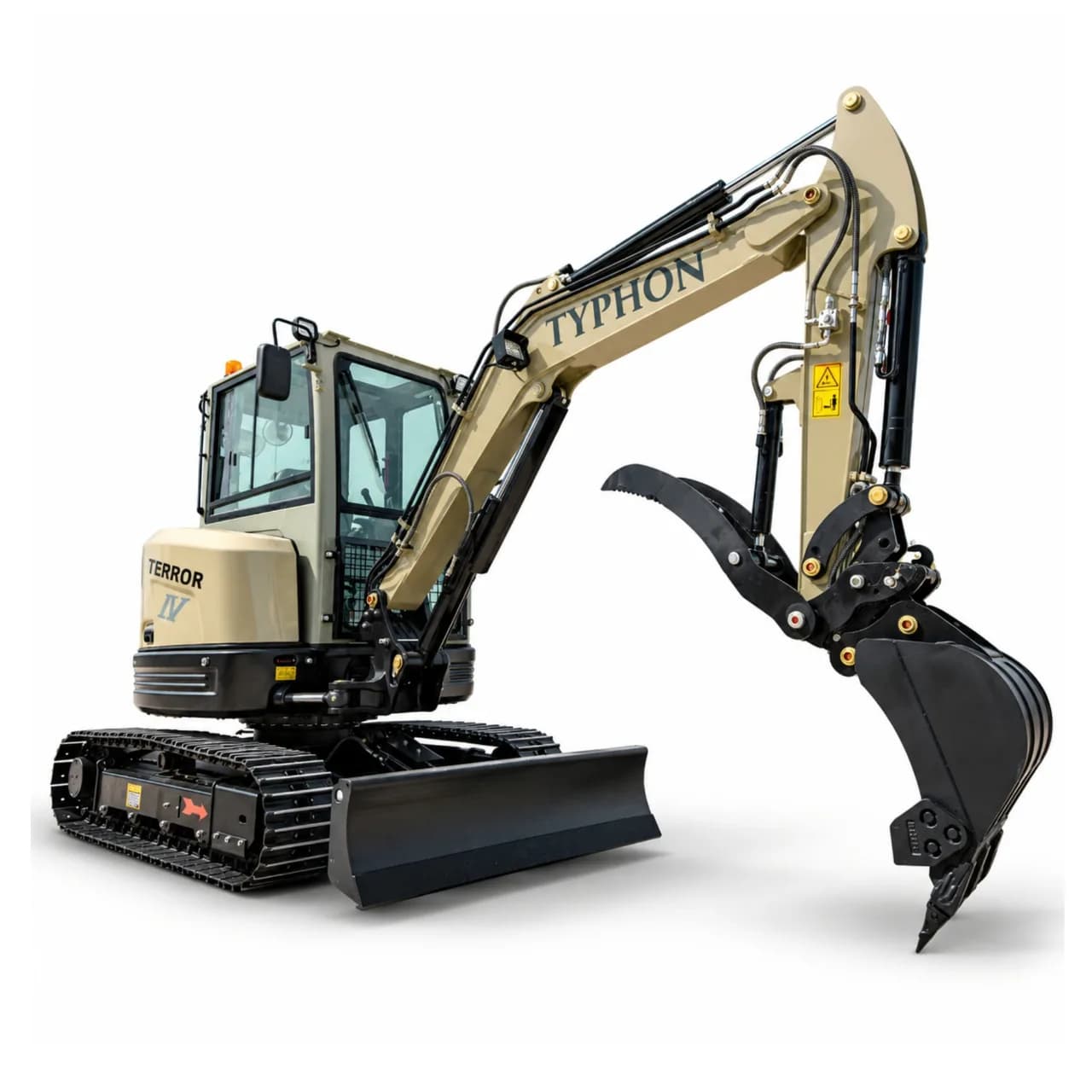
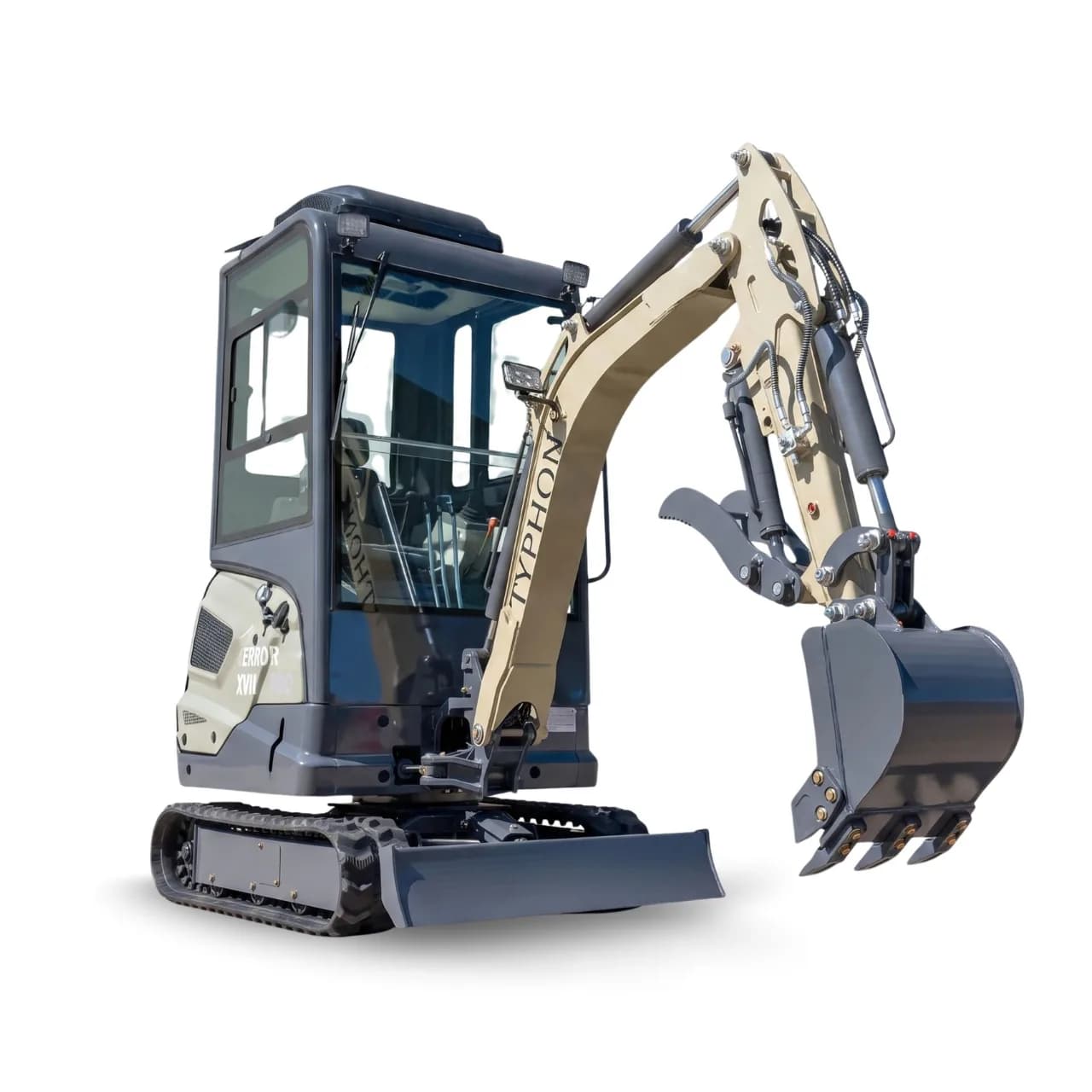
Every powerful movement an excavator makes starts with hydraulic pressure acting on the cylinders that drive the boom, arm, and bucket. Hydraulic fluid is pushed under pressure into these cylinders, and that pressure translates into linear force that extends or retracts each ram. As the cylinders move, the boom lowers into position, the arm reaches out and curls back, and the bucket rolls in to scoop or pry material loose. Pressure is the ingredient that gives each of these movements the strength to do real work rather than simply drifting through the air.
The reason pressure matters so much is that digging is fundamentally a battle against resistance. Soil, rock, roots, and compacted material all push back against the bucket, and the machine has to overcome that resistance to break through. The higher the pressure available at the cylinders, the greater the force the machine can generate to win that battle.
Hydraulic pressure powers the core digging actions in specific ways:
- Boom cylinders, positioning the arm and bucket and lifting the loaded weight upward.
- Arm cylinders, driving the reach and the pulling motion that draws material toward the machine.
- Bucket cylinders, delivering the curling force that pries, cuts, and scoops tough material free.
When the right pressure level reaches these cylinders, the excavator gains the force it needs to break through resistant ground and lift heavy loads with authority. Too little pressure, and the machine simply can't muster the strength to dig effectively, no matter how skilled the operator. This is why hydraulic pressure sits at the very foundation of digging performance, converting the machine's stored energy into the practical force that gets the job done.
The Connection Between Hydraulic Pressure and Excavator Power
It's tempting to think of hydraulic pressure as the single measure of an excavator's power, and while it plays a central role, the full picture is more complete than that. Higher hydraulic pressure can indeed increase the available digging force, giving the cylinders more strength to break through and lift demanding material. In that sense, pressure is a direct lever on how hard the machine can dig. But raw pressure works alongside several other factors that together determine how the excavator actually performs on the job.
Cylinder size is one of the most important of these companions to pressure. The same pressure acting on a larger cylinder produces more force than it would on a smaller one, because force depends on both the pressure and the area it pushes against. This is why matching cylinder dimensions to the intended pressure is part of how manufacturers engineer a machine's digging strength.
Several elements combine to produce an excavator's true digging power:
- Hydraulic pressure, providing the fundamental force that drives the cylinders.
- Cylinder size, determining how much of that pressure converts into usable force.
- Hydraulic flow, governing how quickly the functions move under load.
- Engine power, supplying the energy that the hydraulic pump turns into pressure and flow.
Engine power deserves particular attention, since it's the source that feeds the entire hydraulic system. A strong engine drives the pump that generates both pressure and flow, so a shortfall in engine performance limits what the hydraulics can deliver even when everything else is sound. In practice, dependable digging performance comes from these factors working in balance rather than any single number in isolation. A well-designed excavator brings pressure, cylinder size, flow, and engine power into harmony, and that combined engineering is what gives the machine the reliable strength you count on to tackle tough digging day after day.
How Hydraulic Flow Affects Digging Speed
If pressure is the muscle behind digging, hydraulic flow is what determines how quickly that muscle moves. Pressure provides the force to break through material, but flow, the volume of hydraulic fluid moving through the system, influences how fast the boom, arm, and bucket actually travel. A machine with strong pressure but limited flow may dig with great force yet move sluggishly, while ample flow keeps the functions responsive and quick. Both qualities matter, and each contributes something different to how the excavator performs.
Understanding this distinction helps clarify why cycle times vary between machines and conditions. Flow drives the speed of each motion, so a system delivering plenty of fluid completes the reach, curl, lift, and swing of a digging cycle rapidly. Faster cycles mean more buckets moved per hour, which translates directly into productivity on the job. Pressure ensures each of those movements has the strength to succeed; flow ensures they happen quickly.
The interplay between the two comes down to a simple contrast:
- Hydraulic pressure, supplying the force needed to break through and lift resistant material.
- Hydraulic flow, governing how fast the excavator's functions extend, curl, and swing.
The real key to strong digging performance is balance between these two. A hydraulic system engineered to deliver adequate pressure and flow together lets the machine dig efficiently without sacrificing control. Too much speed without enough force leaves the machine unable to break tough ground, while abundant force with poor flow makes the work frustratingly slow. When pressure and flow are matched thoughtfully, the operator gets a machine that combines power with responsiveness, digging quickly through the material in front of it while maintaining the precise, controlled movements that quality excavation work demands.
Signs of Low Hydraulic Pressure During Digging
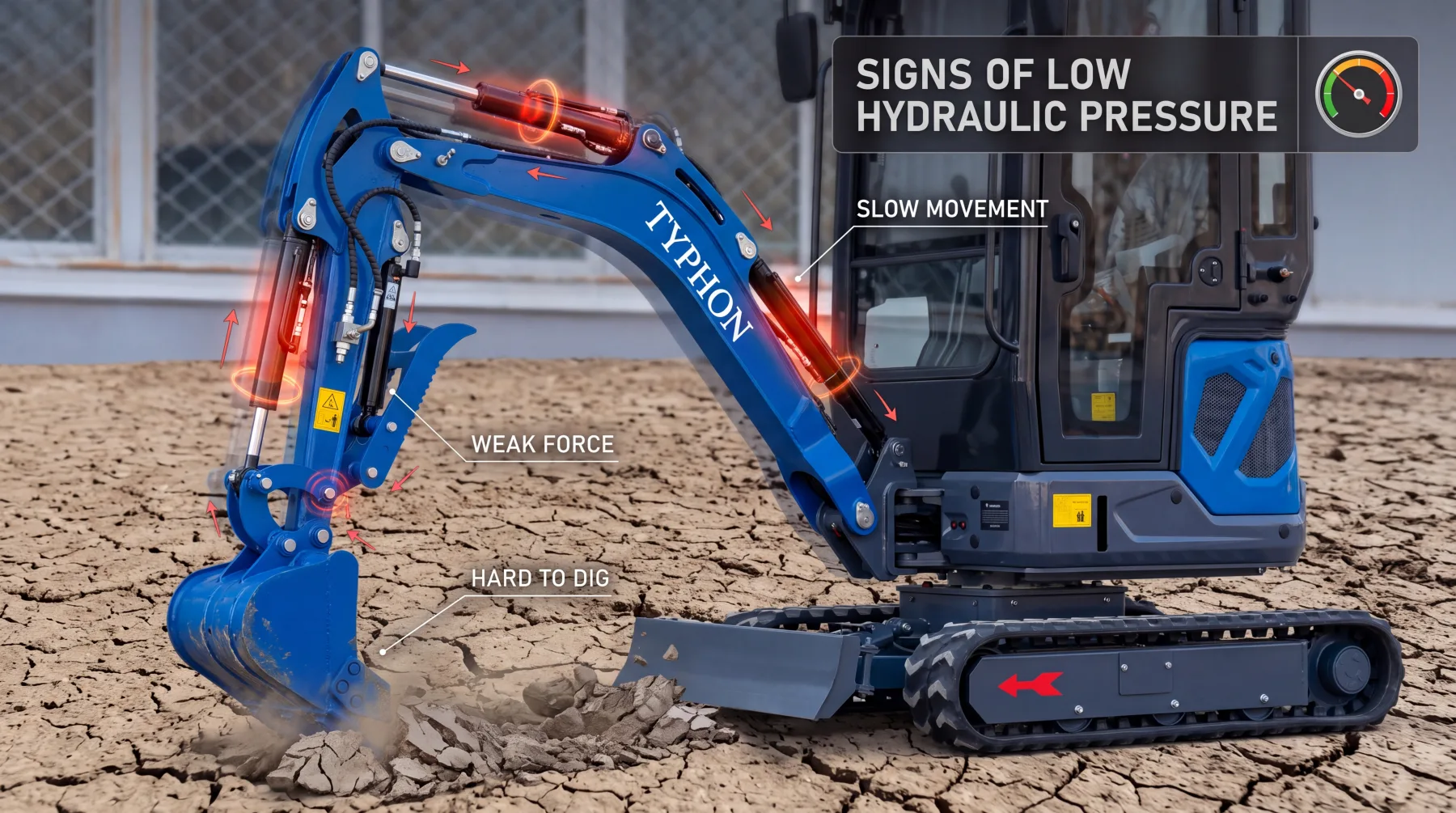
Recognizing the warning signs of low hydraulic pressure early can save you from lost productivity and expensive repairs down the road. When pressure begins to fall short, the excavator's performance changes in ways an attentive operator can feel and see. The clearest signal is weak digging force. If the machine that once tore through packed soil now struggles with material it used to handle easily, declining hydraulic pressure is a likely culprit. That loss of strength shows up as an inability to generate the breakout force digging demands.
Slow attachment movement is another common symptom worth watching for. When the boom, arm, or bucket responds sluggishly or lacks its usual snap, the hydraulic system may not be delivering the pressure and flow the functions need. Difficulty breaking hard ground rounds out the picture, since resistant material exposes a pressure shortfall faster than anything else, leaving the bucket unable to penetrate as it should.
Keep an eye out for these indicators during digging:
- Weak digging force, where the machine can't break through material it previously handled with ease.
- Slow attachment movement, with the boom, arm, or bucket responding sluggishly or lacking power.
- Difficulty breaking hard ground, as the bucket struggles to penetrate compacted or resistant soil.
Catching these signs early matters for more than just convenience. A machine limping along with low pressure produces less work per shift, dragging down the productivity of the whole operation. Pushing a struggling hydraulic system also invites unnecessary component wear, as parts strain and overheat trying to compensate for the shortfall, which can turn a minor issue into a major failure. By noticing weak force, sluggish movement, and poor penetration when they first appear, you can address the underlying problem promptly, protect your components, and restore the dependable digging power your work depends on before small troubles grow into costly ones.
Maintaining Hydraulic Pressure for Consistent Performance
Consistent digging performance depends on a hydraulic system kept in good health, and that comes down to regular, deliberate maintenance. The hydraulic system is a closed circuit where fluid, filters, hoses, valves, and pressure all work together, and neglecting any one of them can undermine the pressure that powers your digging. Building routine checks into your maintenance schedule keeps the whole system operating as designed and helps the excavator deliver reliable force shift after shift.
Hydraulic fluid sits at the center of this upkeep. The fluid transmits pressure throughout the system, so keeping it clean, at the correct level, and in good condition is essential. Contaminated or low fluid compromises pressure and accelerates wear on pumps and valves. Filters protect that fluid by trapping contaminants, so replacing them on schedule keeps the system clean and pressure steady.
A thorough hydraulic maintenance routine covers several key areas:
- Hydraulic fluid, checking level, cleanliness, and condition to ensure proper pressure transmission.
- Filters, replacing them regularly to keep contaminants out of the system.
- Hoses, inspecting for leaks, wear, or damage that can cause pressure loss.
- Valves, confirming they operate correctly to direct fluid and regulate pressure.
- System pressure, testing it periodically against specifications to catch shortfalls early.
Hoses and valves deserve particular attention because they're where pressure is so often lost. A worn hose or a leaking fitting bleeds off pressure that should be reaching the cylinders, while a malfunctioning valve disrupts how fluid moves through the system. Checking system pressure directly against the manufacturer's specifications gives you a concrete measure of the system's health and reveals problems before they affect your work. Staying disciplined about this maintenance does more than preserve digging power; it supports longer component life and more consistent performance, protecting your investment and keeping your excavator ready to work hard every day.
Conclusion
Hydraulic pressure is the force that turns an excavator's engine power into real digging strength, driving the boom, arm, and bucket cylinders that break through and lift tough material. But pressure never works alone. It combines with cylinder size, hydraulic flow, and engine power to produce the machine's true digging capability, and flow in particular governs the speed that keeps your cycles productive. Watching for signs of low pressure, weak force, sluggish movement, and trouble breaking hard ground, lets you catch problems early and avoid unnecessary wear. Above all, consistent maintenance of your fluid, filters, hoses, valves, and system pressure keeps that power reliable over the long haul. Understand and care for your hydraulic system, and your excavator will reward you with the steady, dependable digging performance every job demands.