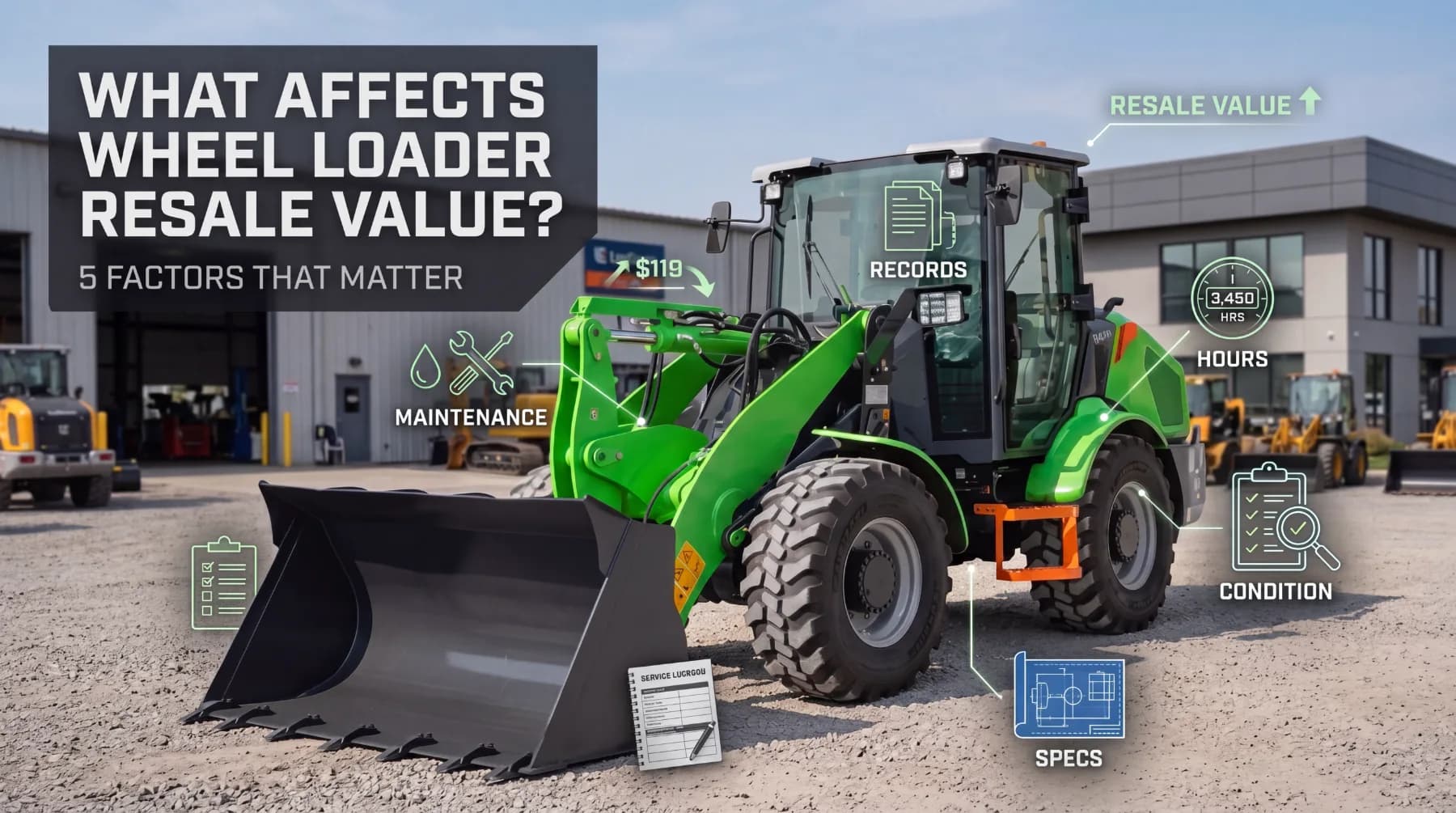
A wheel loader is a significant investment, and when the time comes to sell or trade it, its resale value can make a real difference to your bottom line. The good news is that resale value isn't left entirely to chance. Several clear factors shape what buyers are willing to pay, and most of them are within your control long before the machine ever goes on the market.
From how well you've maintained it to the records you've kept, the choices you make throughout ownership directly influence the return you'll see later. This post breaks down five key factors that affect a wheel loader's resale value and what each one means for you.
Machine Age and Overall Condition
Age is one of the first things a buyer notices, but condition often tells the more important story. A wheel loader that has been carefully maintained and shows minimal wear generally holds its value far better than an older machine that's been neglected.
Buyers understand that a well-kept loader will give them more reliable service and fewer surprises, so they're willing to pay more for it. In many cases, a slightly older machine in excellent condition will out-earn a newer one that's been run hard and poorly cared for.
When a buyer inspects a used wheel loader, they look closely at several things to judge its condition. Appearance is the first impression, and it often signals how the machine was treated overall. A clean, well-presented loader suggests an owner who took maintenance seriously, while dents, rust, and grime raise immediate questions.
Buyers typically pay close attention to:
- Overall appearance: Including paint, bodywork, and general cleanliness that reflect how the machine was cared for.
- Operating condition: Such as how smoothly the loader runs, steers, lifts, and responds to controls.
- Signs of damage or neglect: Including cracks, leaks, worn components, and improvised or poor-quality repairs.
Each of these details shapes a buyer's confidence and, in turn, their offer. A machine that starts easily, operates smoothly, and shows no obvious signs of abuse reassures a buyer that it has plenty of productive life left.
On the other hand, visible neglect suggests hidden problems and drives offers down. Keeping your wheel loader clean, addressing wear promptly, and protecting it from unnecessary damage throughout its working life all pay off directly when it's time to sell.
Engine and Hydraulic System Condition
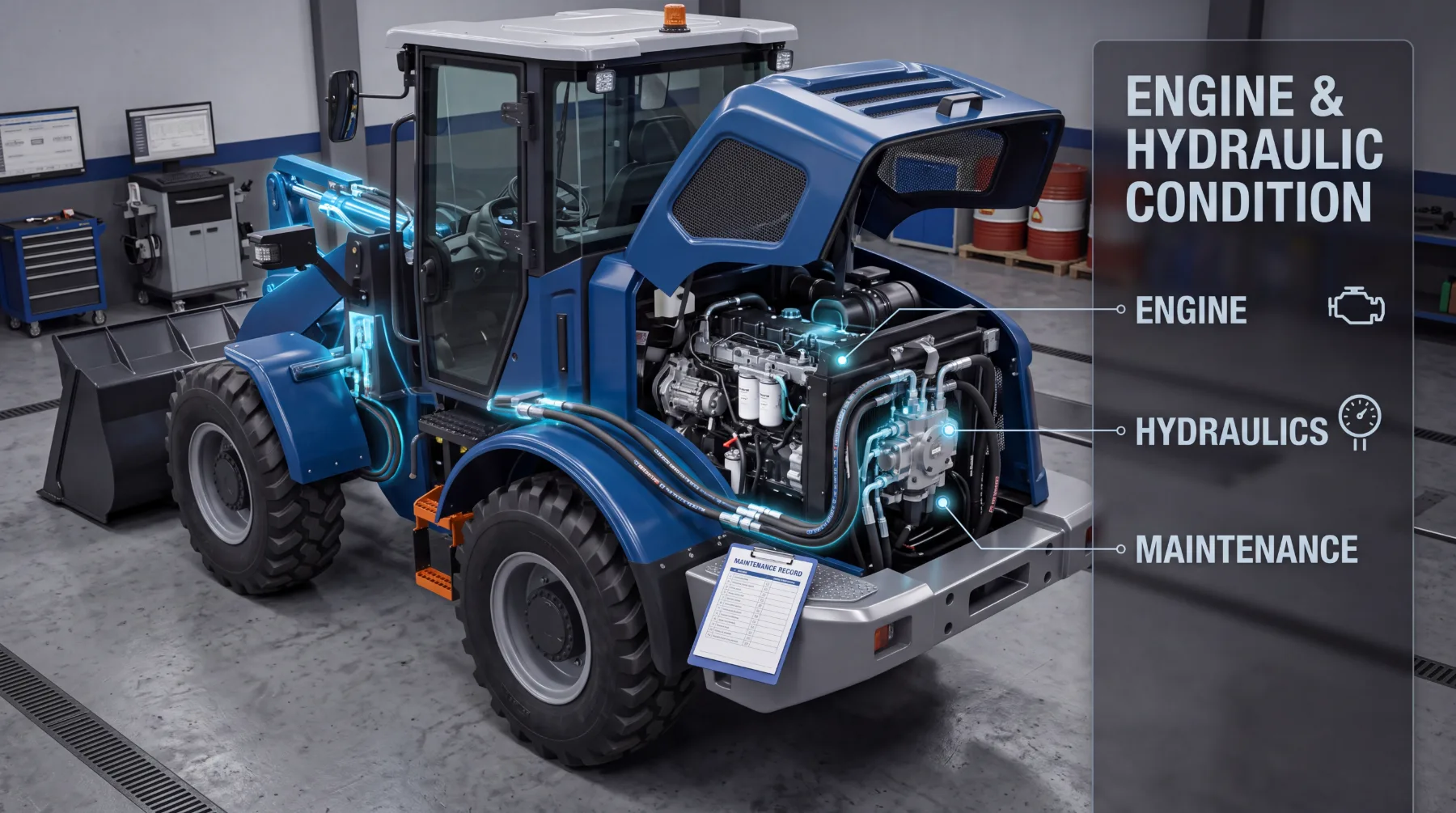
The engine and hydraulic system are the heart and muscle of a wheel loader, and their condition weighs heavily on resale value. These are the most expensive components to repair or replace, so buyers scrutinize them carefully before making an offer.
A loader with a strong, healthy engine and a hydraulic system delivering consistent pressure signals dependable performance and low near-term repair risk, which translates directly into a higher price.
A machine with a tired engine or weak hydraulics, by contrast, worries buyers and drives offers down sharply.
Strong engine performance is a major selling point. A buyer wants to see a loader that starts readily, runs smoothly without excessive smoke or noise, and delivers the power expected for demanding work.
Any sign of trouble here, such as hard starting, poor response, or unusual sounds, raises red flags about costly repairs ahead.
The hydraulic system draws equal attention because it powers every lifting and loading function. A loader that maintains consistent hydraulic pressure lifts, tilts, and works smoothly and confidently, which reassures buyers about its remaining service life.
Weak or inconsistent hydraulics, slow cylinder movement, or visible leaks all suggest wear that a buyer will factor into a lower offer.
Buyers gain confidence when they can see that:
- The engine has received regular oil changes, filter replacements, and proper servicing throughout its life.
- The hydraulic system has been maintained with clean fluid, timely filter changes, and prompt attention to leaks or wear.
When a wheel loader demonstrates both strong current performance and a record of proper care, its two most critical systems become genuine assets on the used market.
Protecting the engine and hydraulics through consistent maintenance is one of the most direct ways to preserve the value of the entire machine.
Operating Hours and Usage History
Operating hours are the odometer of a wheel loader, and they carry real weight in any resale conversation.
Lower hours generally support a higher resale value, since they suggest less accumulated wear and more remaining working life. A buyer comparing two similar machines will often lean toward the one with fewer hours, expecting it to deliver more service before major components need attention.
For this reason, hours are one of the first numbers a buyer asks about.
Hours alone, however, don't tell the whole story. How those hours were accumulated matters just as much as the total.
A machine with higher hours spent on light, steady work may be in far better shape than a lower-hour loader that was pushed hard in punishing conditions every day. Buyers who understand equipment know to look past the raw number and consider the nature of the work behind it.
Several aspects of usage history shape how buyers interpret the hours:
- Type of work performed: Light material handling is gentler on a loader than heavy digging or continuous high-load cycles.
- Application intensity: Machines run hard in demanding environments wear faster than those used moderately.
- Regular servicing: A well-maintained high-hour machine can outperform and outlast a neglected low-hour one.
This is why regular servicing throughout a machine's life is so valuable at resale.
A loader that has logged its hours under sensible use and received consistent maintenance reassures buyers that those hours were productive rather than punishing.
When you can show that your wheel loader was used appropriately and serviced faithfully, you give buyers a fuller, more favorable picture than the hour meter alone provides.
Combining reasonable hours with a clear, positive usage history strengthens your position and supports a stronger resale value.
Attachment Compatibility and Versatility
A wheel loader that can do more jobs appeals to more buyers, and that broader appeal strengthens its resale value.
Versatility is a genuine selling point, because a machine capable of working with a wide range of useful attachments can serve many different operations and applications.
A buyer weighing their options naturally favors a loader that can adapt to varied tasks over one locked into a single role. The more work a machine can handle, the larger the pool of interested buyers becomes.
Attachment compatibility expands what a single loader can accomplish. With the right quick coupler and a selection of compatible work tools, one machine can move material, handle pallets, clear debris, and tackle specialized jobs without the need for separate equipment.
This flexibility is especially attractive to buyers who face varied work and want to get the most from a single investment.
The resale advantage of versatility includes:
- Wider buyer interest: A loader that suits many applications attracts operations across different industries.
- Greater utility: A versatile machine handles more tasks and stays productive across a range of jobs.
- Stronger perceived value: Buyers recognize that flexibility translates into better returns on their purchase.
A loader configured to accept common, in-demand attachments simply carries more appeal than one with limited compatibility.
Buyers see a machine that can grow and adapt with their needs, which makes it easier to sell and supports a better price.
If your wheel loader is equipped with a versatile coupler system and can work with the attachments buyers commonly seek, you're offering a more capable, more marketable machine.
That adaptability is a meaningful asset when resale time arrives, helping your loader stand out in a crowded used market and command the value its flexibility deserves.
Maintenance Records and Parts Availability
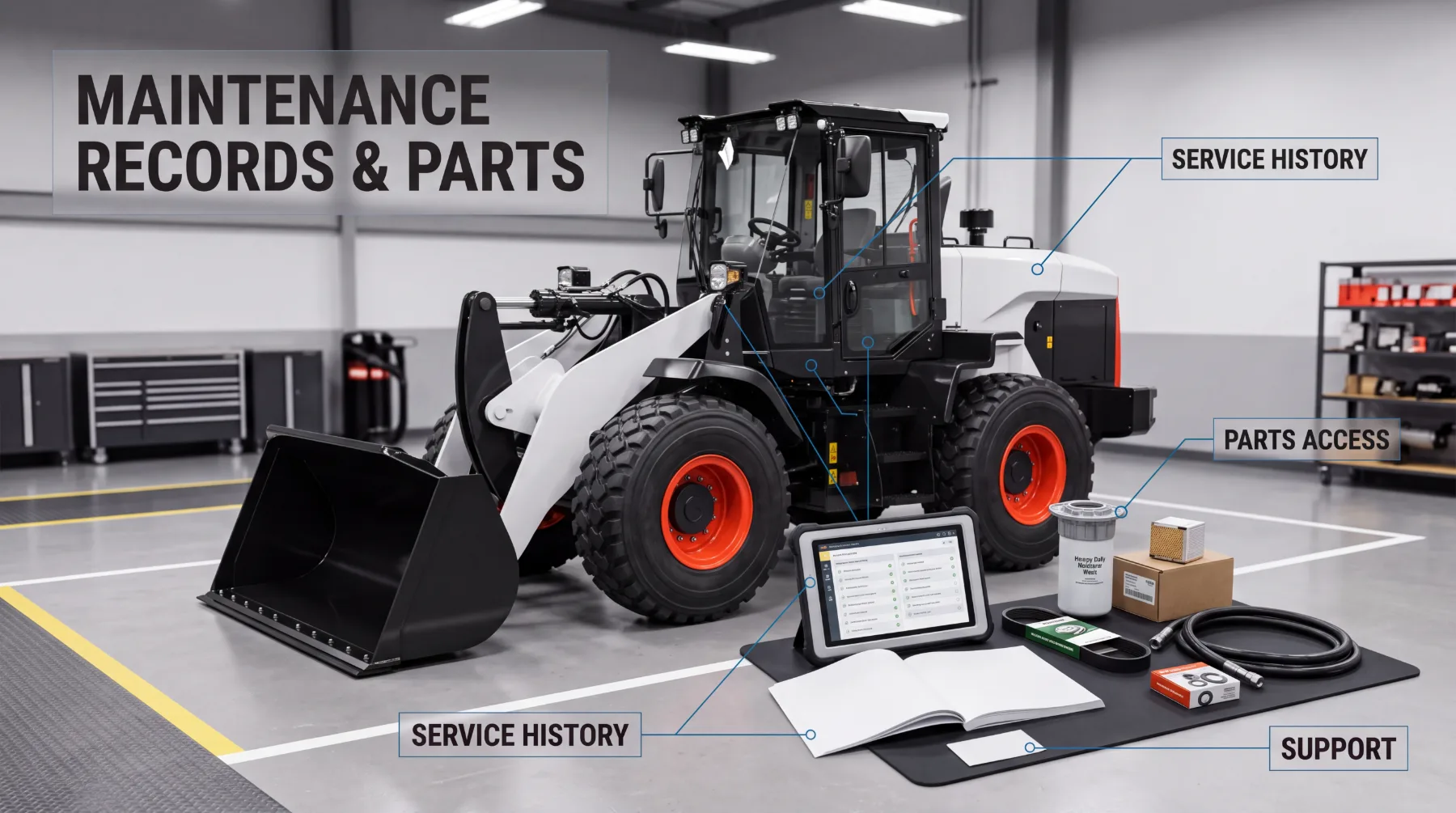
Complete maintenance records are among the most persuasive tools you can bring to a resale.
Buyers approach any used machine with a degree of caution, wondering what problems might be hidden beneath a clean exterior.
A thorough, well-organized record of the maintenance and repairs a wheel loader has received answers those concerns directly. It shows exactly how the machine was cared for, when services were performed, and what issues were addressed, giving buyers concrete evidence rather than promises.
That transparency builds real confidence and often justifies a higher price.
Good records tell the full story of responsible ownership. They demonstrate that oil changes, filter replacements, hydraulic servicing, and inspections happened on schedule, and that any repairs were handled properly.
A buyer reviewing a complete maintenance history can see that the loader was treated as a valued asset, which reduces their perceived risk and makes them far more comfortable committing to the purchase.
A machine with no records, by contrast, leaves buyers guessing and typically fetches less.
Parts availability and service support add another layer of desirability that buyers weigh carefully.
Even a well-maintained loader will eventually need parts and service, and buyers factor in how easily and affordably they can keep it running.
A well-supported wheel loader provides:
- Easy access to replacement parts: Helping the buyer keep the machine working without long delays or hunting for hard-to-find components.
- Reliable service support: Giving the buyer confidence that expert help and repairs are readily available when needed.
When strong maintenance records combine with ready parts availability and dependable service support, a wheel loader becomes a genuinely low-risk, attractive proposition on the used market.
Keeping detailed records throughout ownership and choosing well-supported equipment both work in your favor when it's time to sell.
Conclusion
The resale value of a wheel loader is shaped by a combination of factors that reflect how well the machine has been chosen, used, and cared for.
Age and overall condition set the first impression, while the health of the engine and hydraulic system reassures buyers about the machine's most costly components.
Operating hours matter, but the usage history and servicing behind them tell the fuller story.
Attachment compatibility broadens a loader's appeal and marketability, and complete maintenance records combined with strong parts availability build the confidence that closes a sale at a strong price.
Taken together, these factors reward thoughtful ownership.
By maintaining your wheel loader diligently, using it sensibly, keeping thorough records, and investing in a versatile, well-supported machine, you protect its value from the day you buy it to the day you sell it, ensuring the best possible return on your investment.