
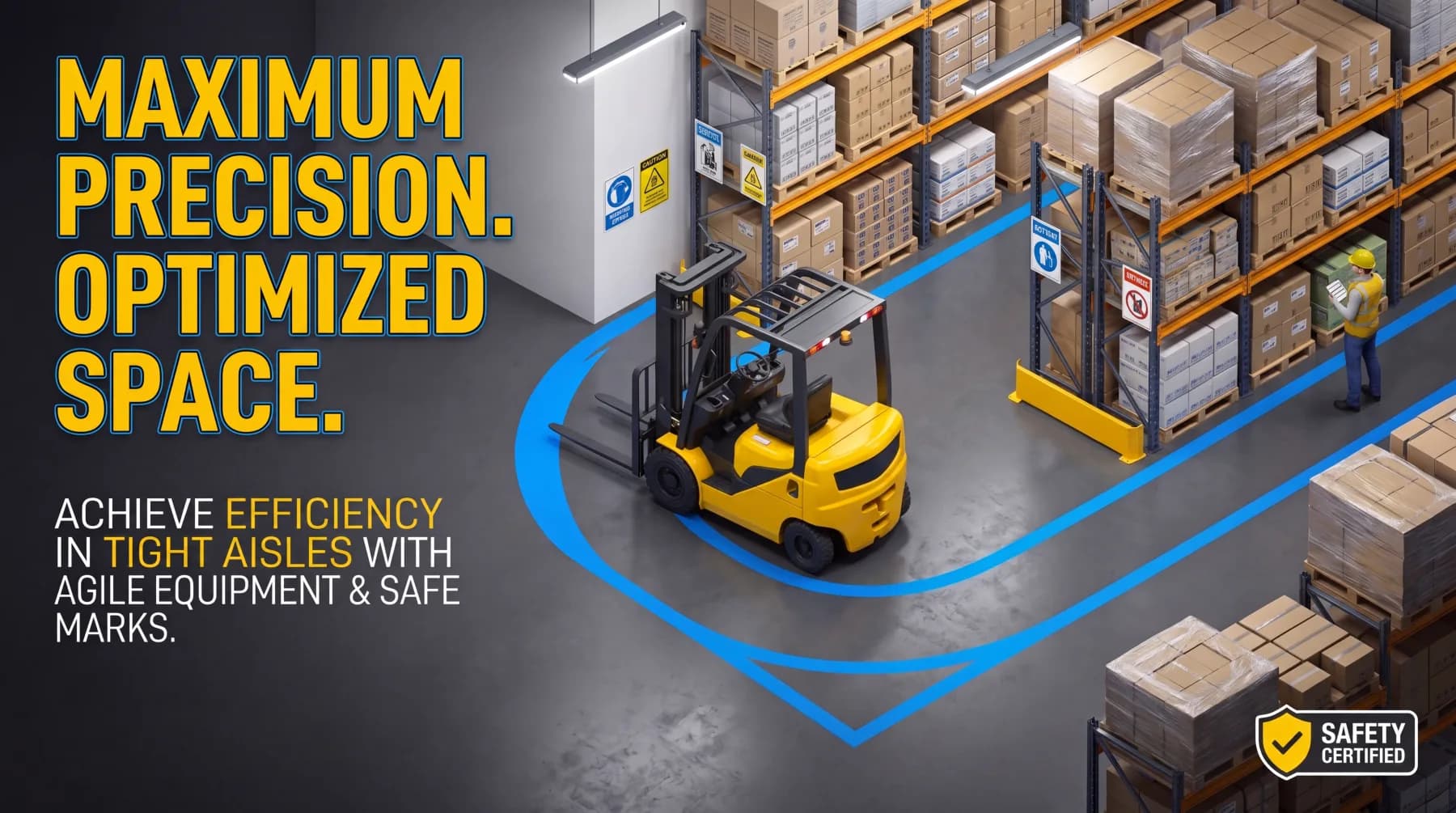
The way a forklift moves through a space can make or break the efficiency of an entire operation. A machine that turns tightly and navigates with ease keeps work flowing, while one that struggles in confined areas wastes time and invites accidents. At the center of this performance sits the turning radius, a specification that shapes everything from aisle width to daily productivity. Understanding how turning radius and maneuverability work helps operators, fleet managers, and warehouse professionals choose the right equipment and use it wisely. This guide explains why turning radius matters, the factors that affect maneuverability, how compact forklifts improve space efficiency, the role of steering systems, and how better maneuverability keeps your workplace safe.
Why Turning Radius Matters in Forklift Operation
A forklift's turning radius is the measure of the smallest circle the machine can make when turning fully in one direction. In practical terms, it tells you how much space the forklift needs to change direction, and that single figure has an outsized effect on how the machine performs in your facility. A tighter turning radius means the forklift can pivot in a smaller area, which is exactly what you want when working in confined spaces. A wider turning radius, by contrast, demands more room to maneuver, forcing you to design your layout around the machine rather than around your workflow.
This measurement matters most in the places where space is at a premium. Narrow aisles, crowded storage areas, and busy loading zones all reward a forklift that can turn sharply and reposition quickly.
Turning radius directly influences several everyday operations:
- Narrow aisles, where a tighter radius lets the forklift enter, turn, and exit without wasted space.
- Tight corners, which a maneuverable machine handles smoothly rather than requiring multiple attempts.
- Busy work areas, where quick repositioning keeps traffic moving and reduces bottlenecks.
- Storage density, since a smaller turning radius allows aisles to be narrower and more racking to fit.
Because of these effects, turning radius should be a top consideration when choosing a forklift for your environment. A machine matched well to your space works efficiently and safely, while one with too wide a turning radius for your aisles will slow every task and frustrate your operators. Take an honest look at where the forklift will work most often, measure your aisles and turning zones, and select a machine whose turning radius fits those dimensions. Getting this right from the start sets the foundation for a productive, well-organized operation.
Key Factors That Affect Forklift Maneuverability
Maneuverability is not determined by a single number but by how several design elements work together. The wheelbase, which is the distance between the front and rear axles, is one of the most influential. A shorter wheelbase generally allows a tighter turning radius, letting the forklift pivot in less space, while a longer wheelbase offers more stability but needs more room to turn. Steering design plays an equally important role, since the way the wheels are configured and how they respond to the operator's input governs how sharply and smoothly the machine can change direction.
Mast height and the forklift's overall dimensions round out the picture. A tall mast affects the machine's balance and can influence stability during turns, especially when carrying a raised load, so it must be considered alongside the turning capability. Overall dimensions, including width, length, and height, determine whether the forklift physically fits through your aisles and doorways in the first place.
These core factors shape how well a forklift navigates your space:
- Wheelbase, where a shorter distance between axles typically enables tighter turns.
- Steering design, which controls how responsively and sharply the machine turns.
- Mast height, affecting balance and stability, particularly with elevated loads.
- Overall dimensions, determining whether the machine fits and moves through your layout.
Understanding how these elements interact helps you judge a forklift's true maneuverability rather than relying on any one specification. A machine with a short wheelbase and responsive steering may navigate tight aisles beautifully, but you must still confirm its dimensions suit your doorways and its mast performs safely at height. Weighing these factors together, and matching them to the demands of your facility, ensures the forklift you choose delivers both the efficiency and the safety your daily operations require. That balanced assessment is what separates a well-suited machine from a costly mismatch.
How Compact Forklifts Improve Space Efficiency
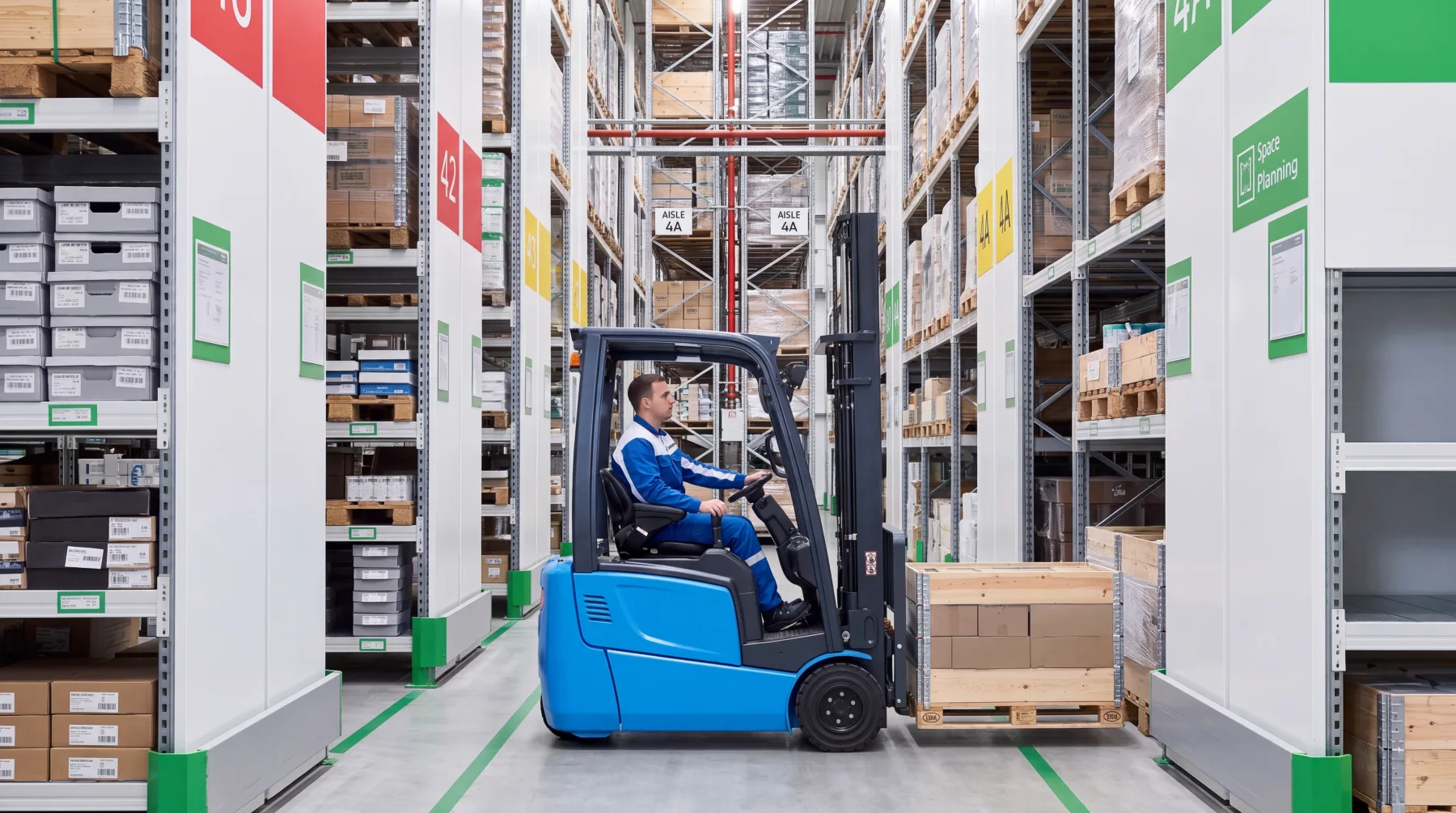
Compact forklifts have earned their place in modern facilities by doing something larger machines simply cannot: working comfortably in tight, confined spaces. With smaller dimensions and tighter turning capabilities, these machines navigate narrow aisles, cramped storage areas, and restricted job sites where a full-size forklift would struggle or fail to fit at all. Their ability to turn in a small footprint means they can reach shelving, maneuver around obstacles, and reposition quickly, keeping work moving in environments where every square foot counts.
This space efficiency delivers real gains in productivity and storage capacity. Because a compact forklift needs less room to operate, facilities can design narrower aisles and pack more racking into the same floor space. That translates into greater storage density without expanding the building, which is a significant advantage where real estate is expensive or limited.
Compact forklifts prove especially valuable in several settings:
- Warehouses, where narrow aisles maximize storage while the machine still moves freely.
- Storage facilities, in which tight turning lets operators access closely spaced racking.
- Confined job sites, where limited room demands a machine that maneuvers easily.
- High-traffic areas, where a smaller footprint reduces congestion and keeps flow steady.
The productivity benefits extend beyond storage alone. A compact machine that moves nimbly through its environment completes tasks faster, spends less time repositioning, and helps operators keep pace with demand. It also reduces the risk of contact with racking, walls, and inventory, protecting both the machine and the goods around it. For facilities balancing the need to store more, move faster, and operate safely in limited space, a compact forklift offers a practical, dependable solution. Choosing a machine sized appropriately for your environment lets you make the most of every available square foot while keeping your operation efficient and organized.
Steering Systems and Their Role in Control
The steering system is the link between the operator's intent and the forklift's movement, and different configurations produce very different handling characteristics. Many forklifts use rear-wheel steering, which allows the machine to turn sharply and pivot in tight spaces, a design well suited to the close-quarters work forklifts often perform. Other machines use different arrangements tailored to their purpose, and each affects how the forklift responds when the operator turns the wheel or changes direction. Understanding how a machine steers helps you anticipate how it will handle in your specific working conditions.
Advanced steering systems have improved control considerably, giving operators more precise, responsive handling than older designs. Systems such as power steering and electronically assisted steering reduce the effort needed to turn while delivering smoother, more predictable movement. This precision matters most during tight maneuvers, where small, controlled adjustments keep the machine exactly where the operator wants it.
Better steering technology contributes to performance in several ways:
- Sharper turning, allowing the forklift to change direction in less space.
- Smoother response, so the machine moves predictably during delicate maneuvers.
- Greater stability, helping the forklift stay balanced through turns and direction changes.
- Reduced operator fatigue, since assisted steering demands less physical effort over a shift.
The combined effect of a good steering system is greater operator confidence, and that confidence pays off across the whole operation. When operators trust the machine to respond accurately and stay stable through every turn, they work more efficiently and make fewer errors. Precise, dependable steering also supports safety, since a machine that handles predictably is far easier to control in busy, crowded environments. When evaluating a forklift, consider how its steering system suits the demands of your facility, because responsive, well-designed steering is central to both smooth maneuverability and confident, controlled operation.
Improving Safety Through Better Maneuverability
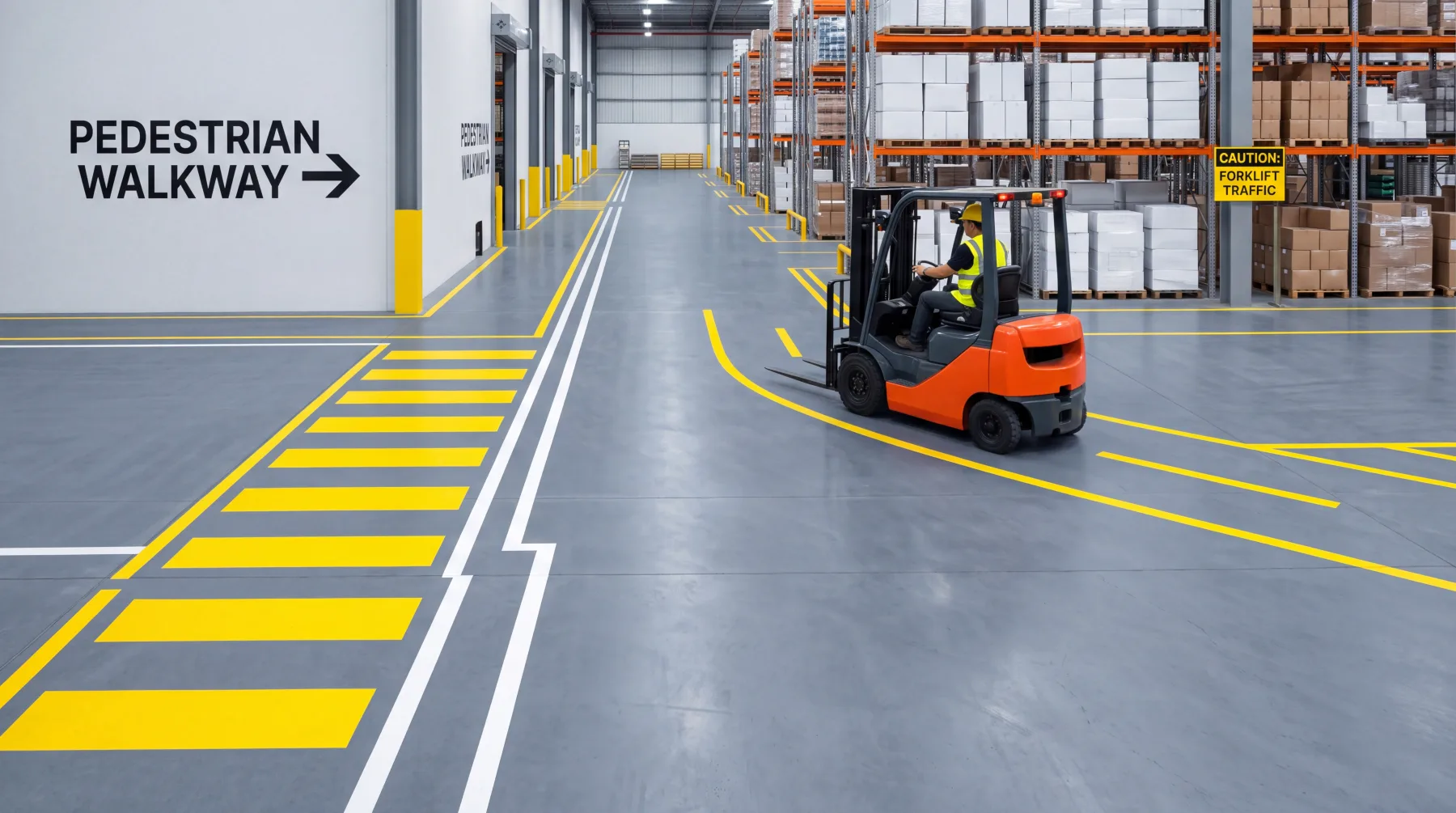
Safety and maneuverability are closely linked, and a clear understanding of turning radius is one of the most effective tools for preventing accidents. When operators know exactly how much space their machine needs to turn, they can plan their movements confidently and avoid the collisions that happen when a forklift is asked to turn in too little room. Misjudging a turn in a narrow aisle or crowded area can lead to contact with racking, walls, inventory, or even other workers, so a solid grasp of the machine's turning capability is fundamental to safe operation.
Better maneuverability also reduces handling errors and creates smoother, safer workflows. A forklift that turns easily and responds predictably lets operators complete tasks with fewer awkward corrections and less risk of losing control. This is especially important in busy environments where forklifts, pedestrians, and other equipment share the same space, since a maneuverable machine navigates that traffic more safely.
A safety-focused approach to maneuverability rests on a few key practices:
- Know the turning radius, so operators plan turns with confidence and avoid tight-space collisions.
- Match the machine to the space, ensuring the forklift fits and moves safely through your aisles.
- Train operators thoroughly, so they understand the machine's handling limits in real conditions.
- Maintain clear workflows, giving forklifts the room they need to maneuver without conflict.
Above all, matching forklift capabilities to the workspace is essential to safe, efficient operations. A machine whose turning radius and dimensions suit your facility moves through it comfortably, while a poorly matched forklift forces risky maneuvers that endanger people and property. Take the time to evaluate your aisles, turning zones, and traffic patterns, then choose equipment that fits those realities and train your operators to work within its limits. This disciplined, informed approach protects your team, preserves your inventory, and keeps your operation running smoothly and safely every day.
Conclusion
Turning radius and maneuverability lie at the heart of how well a forklift serves your operation. Turning radius defines how much space a machine needs to change direction, shaping its performance in narrow aisles, tight corners, and busy work areas, which is why it deserves careful attention when choosing equipment. That maneuverability depends on several factors working together, including wheelbase, steering design, mast height, and overall dimensions, all of which must suit your environment. Compact forklifts extend these advantages further, delivering tight turning and space efficiency that maximize productivity in confined settings, while advanced steering systems provide the control, stability, and confidence operators need. Most importantly, understanding and matching maneuverability to your workspace keeps your operation safe by preventing collisions and reducing handling errors. Choose a forklift matched thoughtfully to your space, train your operators well, and you will gain a machine that works efficiently, safely, and reliably for years to come.