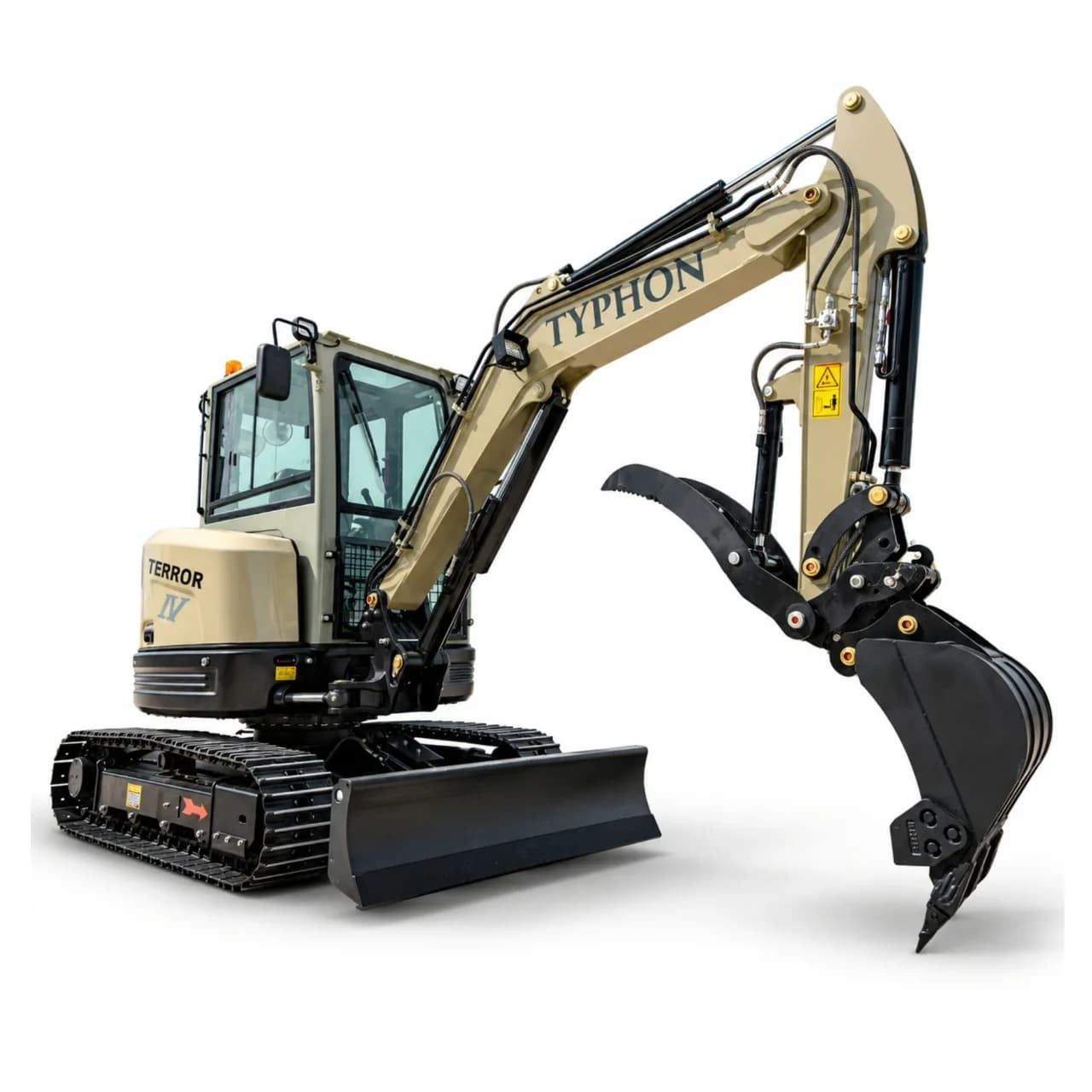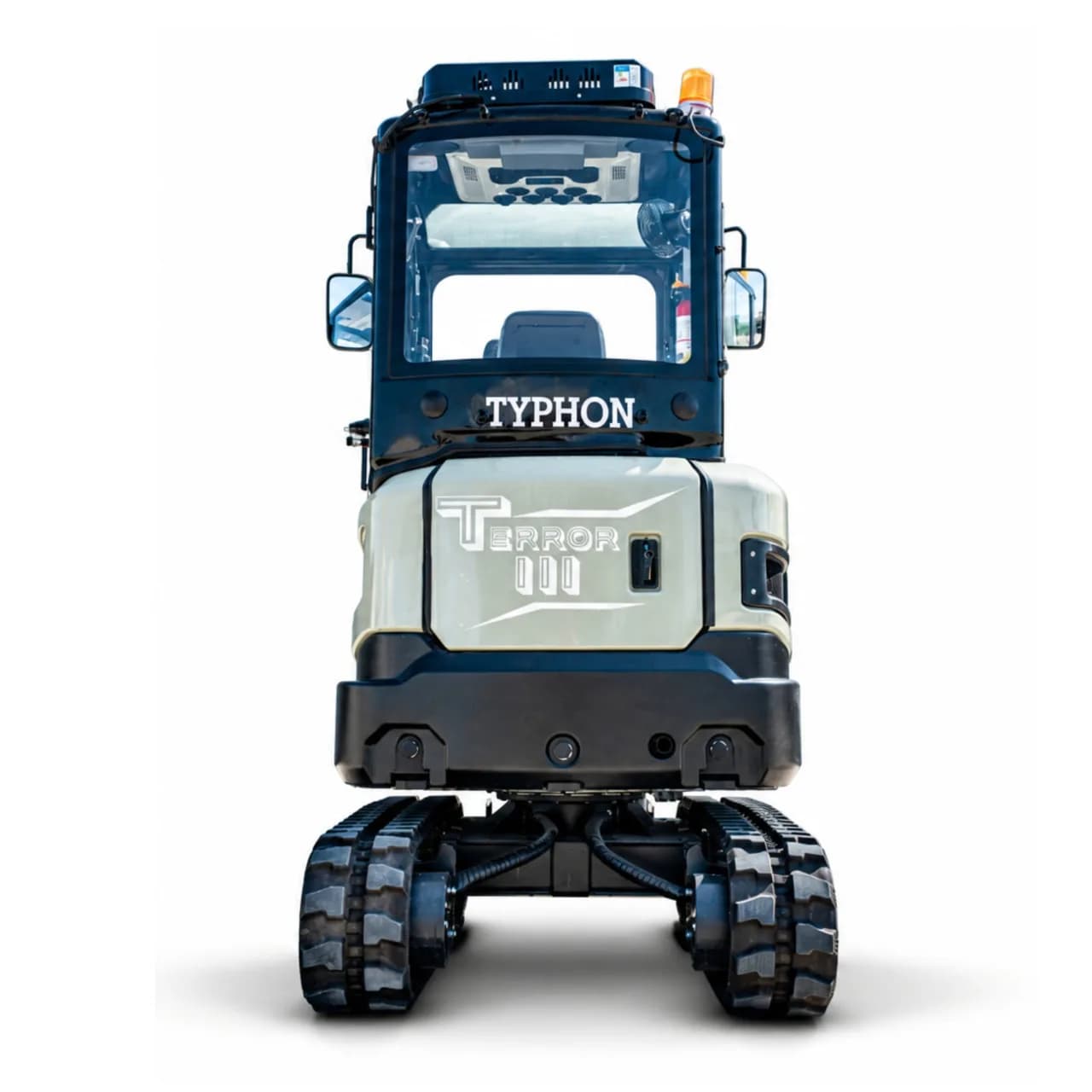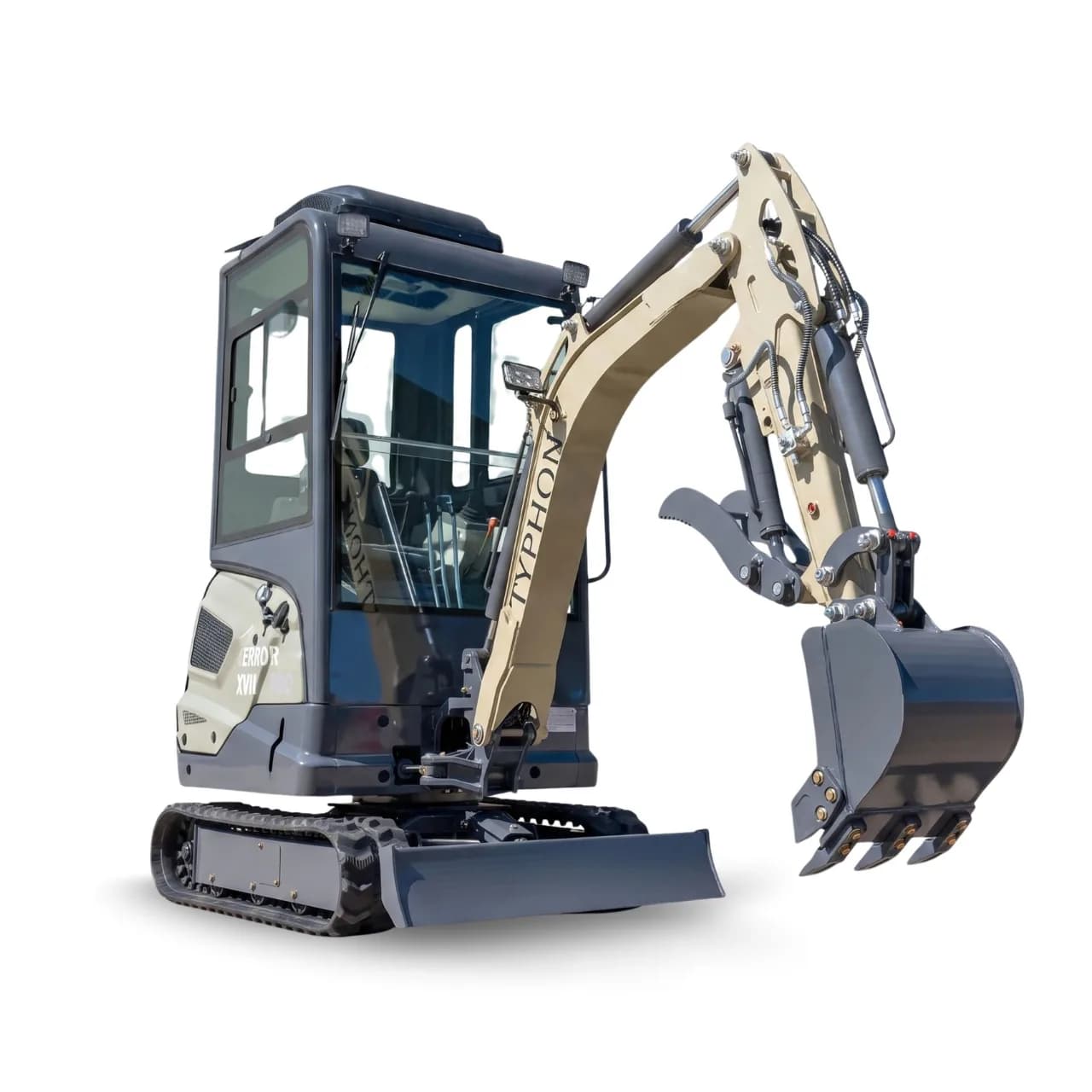
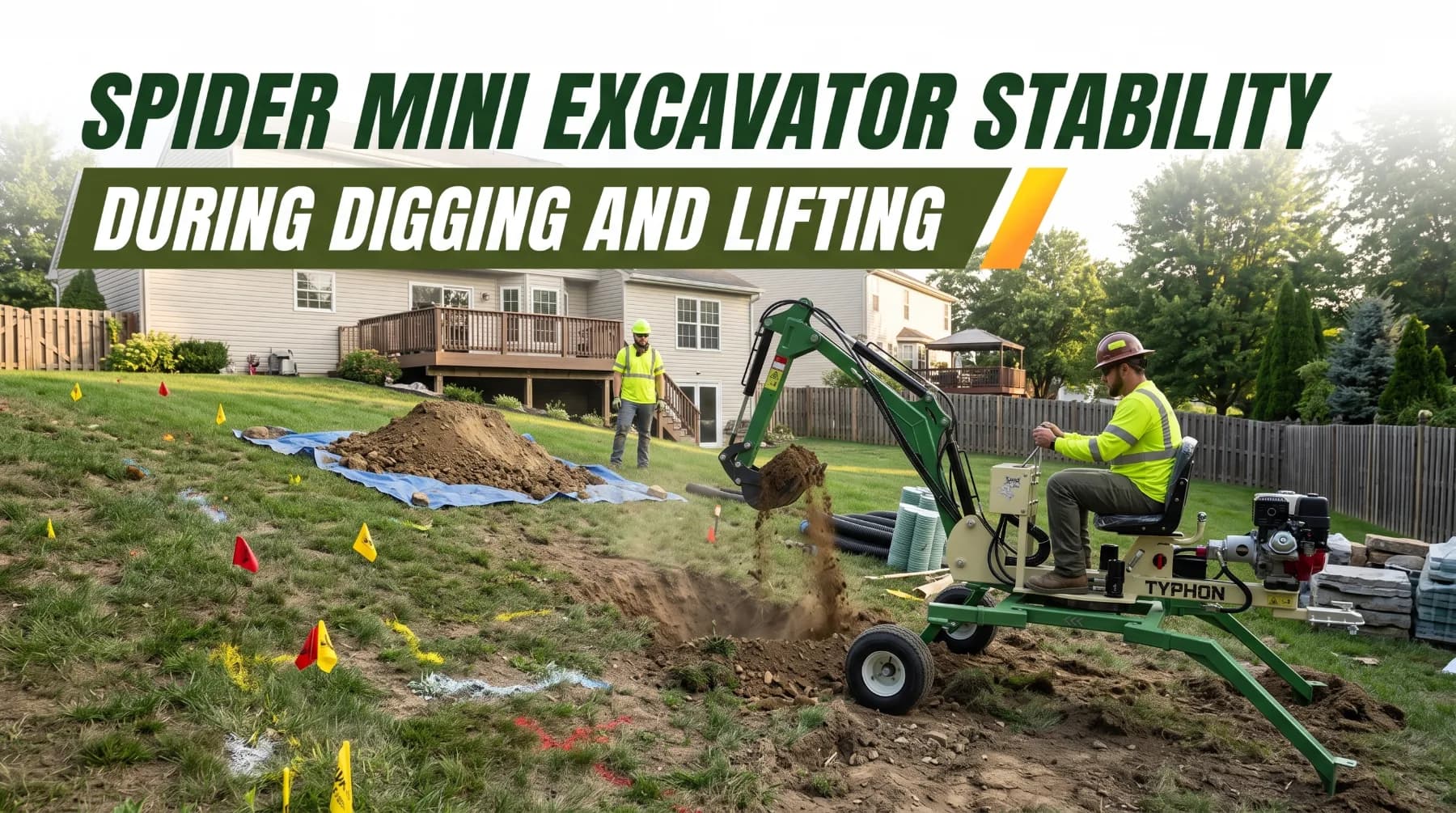
Operating a spider mini excavator on slopes and uneven terrain requires careful positioning and reliable support. Soft soil, disturbed ground, steep inclines, and extended bucket reach can shift the machine's balance, especially when handling heavy or wet material. Proper setup and controlled movements help reduce instability during digging and lifting.
Stable ground and correct support placement are essential for safe operation. The support legs need firm, suitable bearing surfaces, while the machine should be positioned as level as the working conditions and manufacturer's instructions require. Load weight, bucket reach, boom height, and swing direction also affect balance, so operators should keep loaded buckets close and avoid unnecessary movements toward downhill areas.
Before starting work, operators should inspect the ground, check support pads and components, and plan safe digging and spoil-placement areas. Smooth hydraulic control, appropriate bucket loads, and regular reassessment of changing ground conditions help maintain stability throughout the job. Following pre-shift inspection procedures and the manufacturer's operating limits further supports predictable performance on challenging terrain.
Ground Conditions and Machine Positioning
Stability starts with the ground beneath the machine. A spider excavator transfers its full weight and every digging and lifting force through a few points of contact. If any one of those points sits on weak or shifting ground, the machine can settle, tilt, or slide just when it's carrying its heaviest load. That's why a careful assessment of the work area comes before any digging or lifting.
Walk the full work area and every planned setup point before the machine moves. Probe questionable areas with a soil probe or bar to check firmness. Freshly tilled beds, recent backfill, saturated soil, and loose gravel can look solid but compress under concentrated load. Look closely at slopes and compare their angle with the manufacturer's stated limits. Watch for loose rock ledges, voids under stumps, old drain lines, and hidden debris. Mark retaining walls, terrace edges, and embankment crests, since ground near an edge can give way under load.
Excavation edges deserve particular attention. As a pit or trench gets deeper, the soil beside it loses support. A support placed too close to a fresh cut can sink or collapse into the excavation. Keep every support well back from excavation edges, and plan the setup so the machine doesn't undercut the ground it stands on. Before any digging, contact your local utility locating service, wait for lines to be marked, and ask the property owner about private lines such as irrigation and lighting.
Choose a position that suits the full task, not just the first cut. The best setup places every support on firm ground, allows the upper structure to be leveled within the manufacturer's limits, and keeps the work within comfortable reach. If one position can't safely cover the whole excavation, plan two setups from the start. Repositioning on purpose is far safer than overreaching to avoid it.
Key takeaway: Assess soil firmness, slopes, loose material, and edges before digging or lifting, and position the machine on suitable ground that covers the task without overreaching.
Stability During Digging
Digging creates powerful forces that travel through the bucket, arm, and boom into the machine. When the teeth push into the soil and the arm pulls the bucket through the cut, the ground pushes back. Those reaction forces act on the supports and can shift the machine's balance, especially on a slope or uneven ground.
Ground resistance rarely stays constant. Loose topsoil gives way easily, while dense clay, compacted fill, and cobbly ground resist the bucket strongly. A buried rock, root, or chunk of old concrete can stop the bucket suddenly. When that happens, the force the operator was applying to the material transfers back into the machine. On a spider excavator working from an uneven stance, that sudden load can lift a support or rock the machine toward one side.
Controlled bucket movement keeps these forces manageable. Take shallow, deliberate cuts in hard material instead of forcing the bucket deep. Let the arm pull the bucket through the soil while the boom controls depth, and curl the bucket at an angle that lets the teeth bite rather than skid. If the bucket stalls, stop and change the approach. Raise the bucket slightly, adjust the attack angle, or take a thinner slice. Holding a function against hydraulic relief adds heat and strain and pushes force back through the supports.
Pay attention to where the digging forces push the machine. Pulling the bucket toward the machine on a downhill dig can draw the machine toward the excavation. Pushing hard against resistance on the uphill side can lift downhill supports. Watch the supports and the inclination indicator during the first cuts of every setup, and stop at any sign of lifting or settling. Keeping a stable working position throughout the cycle protects the machine, the excavation, and everyone nearby.
Key takeaway: Digging forces travel back through the bucket, arm, and boom into the machine, so take controlled cuts, avoid forcing the bucket against hard resistance, and stop at the first sign of lifting or settling.
Load Weight and Lifting Height
A loaded bucket changes the machine's balance more than almost anything else it does. The weight of the material adds force in front of the machine, and the farther that weight sits from the machine, the more leverage it has. Raising the boom also moves the load higher, which raises the combined center of gravity and reduces the margin before the machine becomes unstable.
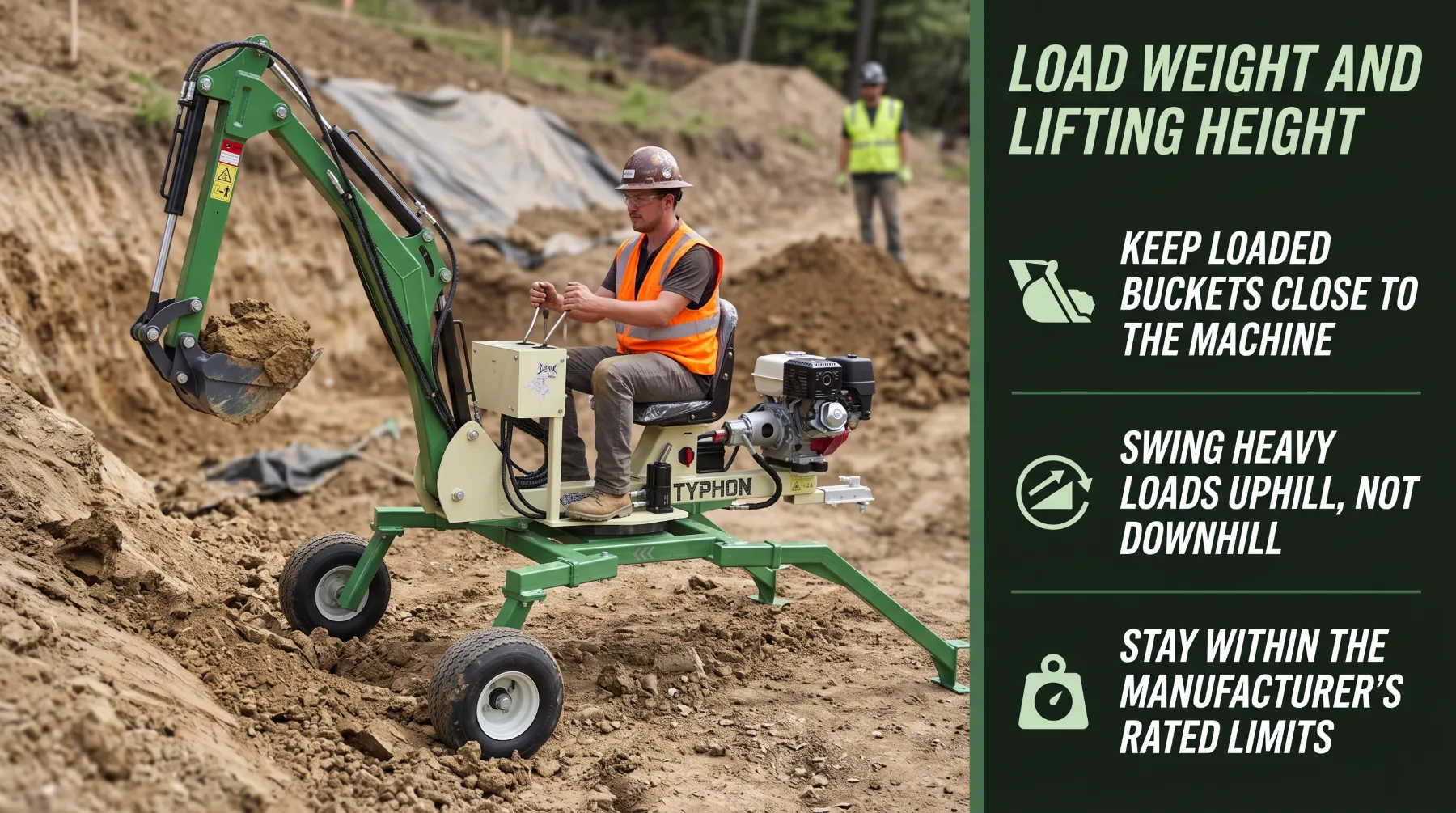
Reach has the greatest effect. A bucket of wet clay held close to the machine may feel completely steady. The same bucket held at full reach can place far greater tipping force on the supports. Swinging that extended load toward the downhill side adds the effect of the slope, and the combination can lift uphill supports quickly. Keep loaded buckets as close to the machine as the task allows, and plan spoil placement on the uphill side or on stable, level ground where practical.
Material weight is easy to underestimate. Wet clay, saturated soil, crushed stone, and broken concrete weigh far more than dry topsoil. Moisture can add significant weight after rain. Estimate loads by weight rather than by how full the bucket looks. When the bucket fills with heavy material, reduce the load or bring it closer before lifting and swinging.
Stay within the manufacturer's rated limits at all times. Review the machine's working range and lift capacity information, which shows how safe loads change with reach, height, and machine configuration. If you lift objects such as pipe, stone, or precast items, follow the manufacturer's procedures for lifting operations. Use only approved lifting points and rigging, and confirm the machine is set up as the manufacturer requires for that type of lift. Never try to lift a load beyond the machine's capability, and never let anyone stand beneath or near a suspended load.
Key takeaway: A loaded, raised, or extended bucket shifts the machine's balance, so keep heavy loads close, avoid swinging them toward the downhill side, and always stay within the manufacturer's rated limits.
Support Components and Track Position
A spider excavator relies on its legs, foot pads, tracks, and wheels to maintain stability on uneven ground. Proper positioning and regular checks help prevent sinking, shifting, and tipping during digging or lifting.
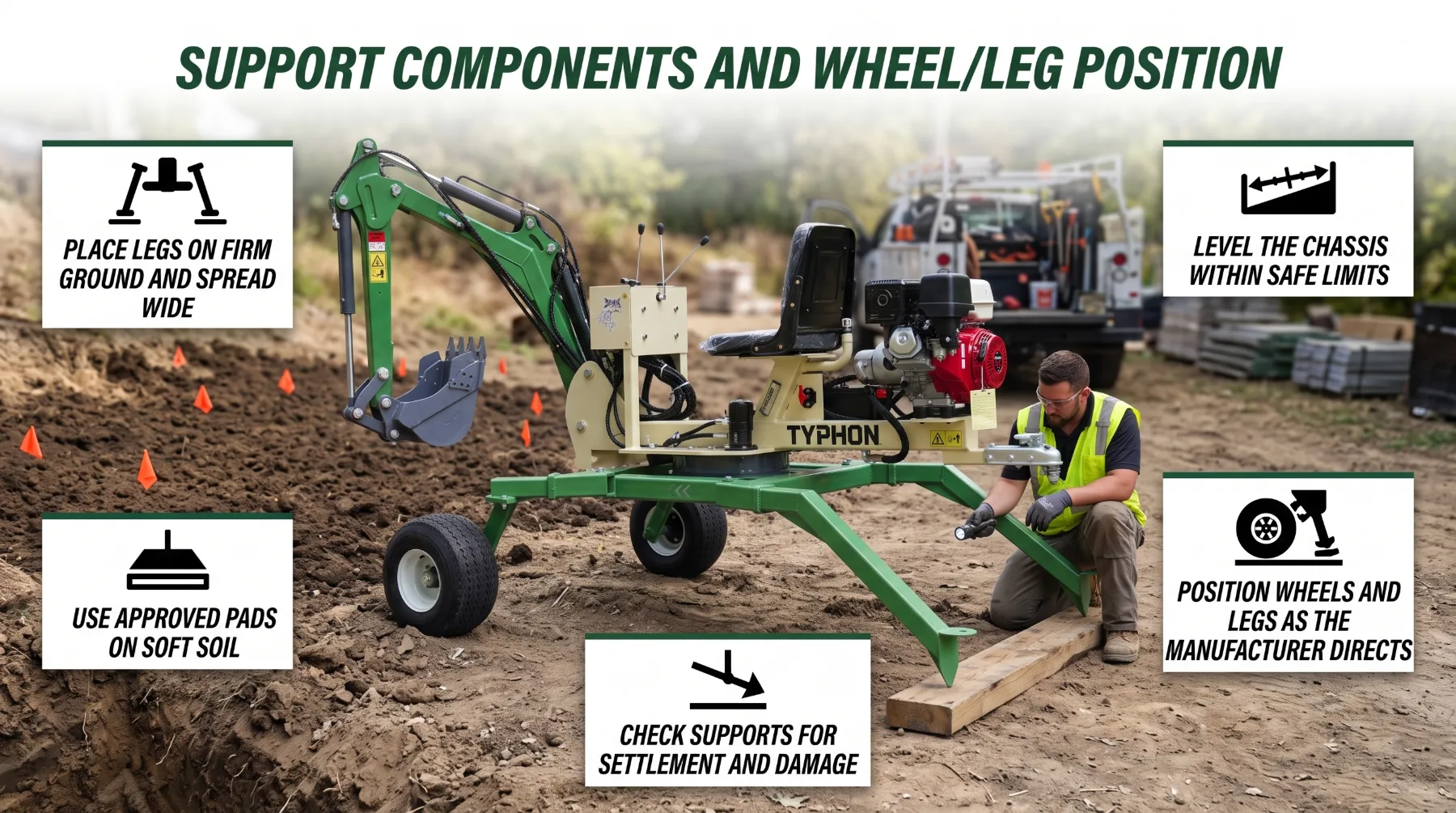
- Leg Placement and Spread: Position each leg on firm ground and spread the supports as wide as the manufacturer permits to improve stability.
- Machine Leveling: Adjust the supports to keep the machine within the manufacturer's leveling limits before starting work.
- Load-Spreading Pads: Use approved pads on soft ground to distribute weight, reduce sinking, and help maintain a stable working position.
- Track and Wheel Position: Follow the manufacturer's instructions for positioning tracks or wheels, and secure the machine against unintended movement on slopes.
- Support Inspection: Check legs, cylinders, foot pads, tracks, and wheels for damage, leaks, wear, or settling before and during operation.
Key takeaway: Position support legs, foot pads, tracks, and wheels according to the manufacturer's instructions, level the upper structure, and check for settlement and damage to maintain stable support during digging and lifting.
Hydraulic Control and Smooth Movement
Every boom, arm, bucket, swing, and support movement on a spider excavator runs on hydraulic power. How the operator uses that power has a direct effect on stability. Smooth hydraulic operation prevents the abrupt changes in movement that shift loads suddenly and unsettle the machine.
Abrupt inputs create sudden forces. Jerking the boom upward with a full bucket throws the load's weight upward and outward in an instant. Snapping a swing to a stop lets the load's momentum carry on and push the machine sideways. On a level pad, these movements waste time and add wear. On a slope, they can lift a support or shift the machine toward an edge.
Gradual, overlapping control inputs keep forces predictable. Start each movement slowly, build speed once the load is moving smoothly, and feather the controls to a gentle stop before changing direction. Blend boom, arm, and bucket functions into one continuous motion rather than a series of sharp steps. Swing slowly with a loaded bucket, and slow down further when swinging toward the downhill side. Many spider excavators offer fine-control or reduced-speed modes, which suit steep sites and heavy lifts.
Smooth control matters most when lifting heavy material or working near trenches, walls, and structures. Precise, gradual movement keeps the bucket away from excavation edges and finished surfaces, and it gives the operator time to react if the machine begins to shift. Hydraulic behavior also signals machine condition. A boom that drifts with the controls in neutral, a leg that slowly retracts, or jerky response can point to leaks or worn seals. Lower the bucket to the ground and have the system inspected before continuing.
Key takeaway: Gradual, smooth hydraulic control reduces sudden load shifts and changes in machine balance, especially when lifting heavy material or working near trenches and structures.
Operator Awareness and Safety Checks
On uneven ground, conditions change throughout the day. Soil softens, excavation walls loosen, and the bucket load varies with every pass. Steady operator awareness lets you catch these changes before they affect stability. A thorough pre-operation inspection makes sure the machine is ready to respond predictably.
Monitor four things throughout the task. Watch the machine's position, including how each support sits and what the inclination indicator shows. Watch the bucket load and how far it extends from the machine. Watch the ground, especially excavation edges, for cracks, sloughing soil, water seepage, and settling supports. And watch the surrounding work area for people, equipment, structures, and overhead hazards. Keep workers on foot outside the swing radius and away from the area below a machine working on a slope. Use a trained spotter where visibility is limited, and agree on hand signals or radio calls before work begins.
Inspect the machine before every shift with it parked on firm, level ground, the bucket lowered, the engine off, and the key removed. Check leg pivots, leg cylinders, foot pads, tracks, and wheels for damage, leaks, and wear. Inspect hydraulic hoses, fittings, and cylinders for seepage, abrasion, and cracks. Never check for leaks by running your hand along a hose, since pressurized fluid can penetrate skin and cause serious injury. Use a piece of cardboard instead. Confirm the bucket or attachment is compatible and that the coupler lock is fully engaged. Then test the controls, seat belt, hydraulic lockout, inclination indicators, alarms, and emergency controls.
When anything feels wrong, stop. Lower the bucket to the ground, assess the situation, and correct the problem before continuing. Follow applicable trench protection requirements as the excavation deepens, and never allow anyone into an excavation without proper protection. A short pause costs far less than a tip-over or an injury.
Key takeaway: Monitor machine position, bucket load, ground conditions, and the surrounding area throughout the task, and inspect support components, hydraulics, and attachments before every shift.
Conclusion
Spider mini excavator stability during digging and lifting comes from the way ground, machine, load, and operator work together. Careful assessment of soil firmness, slopes, and edges puts the machine on suitable ground. Controlled digging keeps reaction forces from unsettling it, and keeping loaded buckets close and within rated limits protects its balance as the boom rises and swings. Properly positioned legs, foot pads, tracks, and wheels hold a level, supported stance, while smooth hydraulic control prevents the sudden load shifts that lead to lifted supports and close calls. Steady awareness and thorough pre-shift inspections tie it all together, so problems are caught before they affect the machine's balance. When you assess the work area and follow the manufacturer's operating limits on every setup, your spider excavator delivers safer, more predictable excavation performance on the difficult terrain it was built for. Before your next shift, walk and probe every setup point, plan spoil placement on stable ground, and confirm each support is firm and level before the first cut.
Frequently Asked Questions
What affects spider mini excavator stability during digging?
Ground firmness, machine position, digging resistance, support configuration, and boom movement all affect stability. Sudden resistance from hard soil or buried obstacles can also shift the machine's balance.
Does lifting a loaded bucket affect machine balance?
Yes. A raised or extended load shifts the machine's center of gravity and increases the demands on its stability. Keeping heavy loads close to the machine helps maintain balance.
Why is smooth hydraulic control important?
Controlled movement reduces sudden shifts in the bucket load and unnecessary changes in machine balance. Gradual inputs are especially important on slopes and near trenches.
How can operators improve stability before lifting?
Assess the ground, position and level the machine correctly, and check the support components. Keep every load within the manufacturer's rated limits.