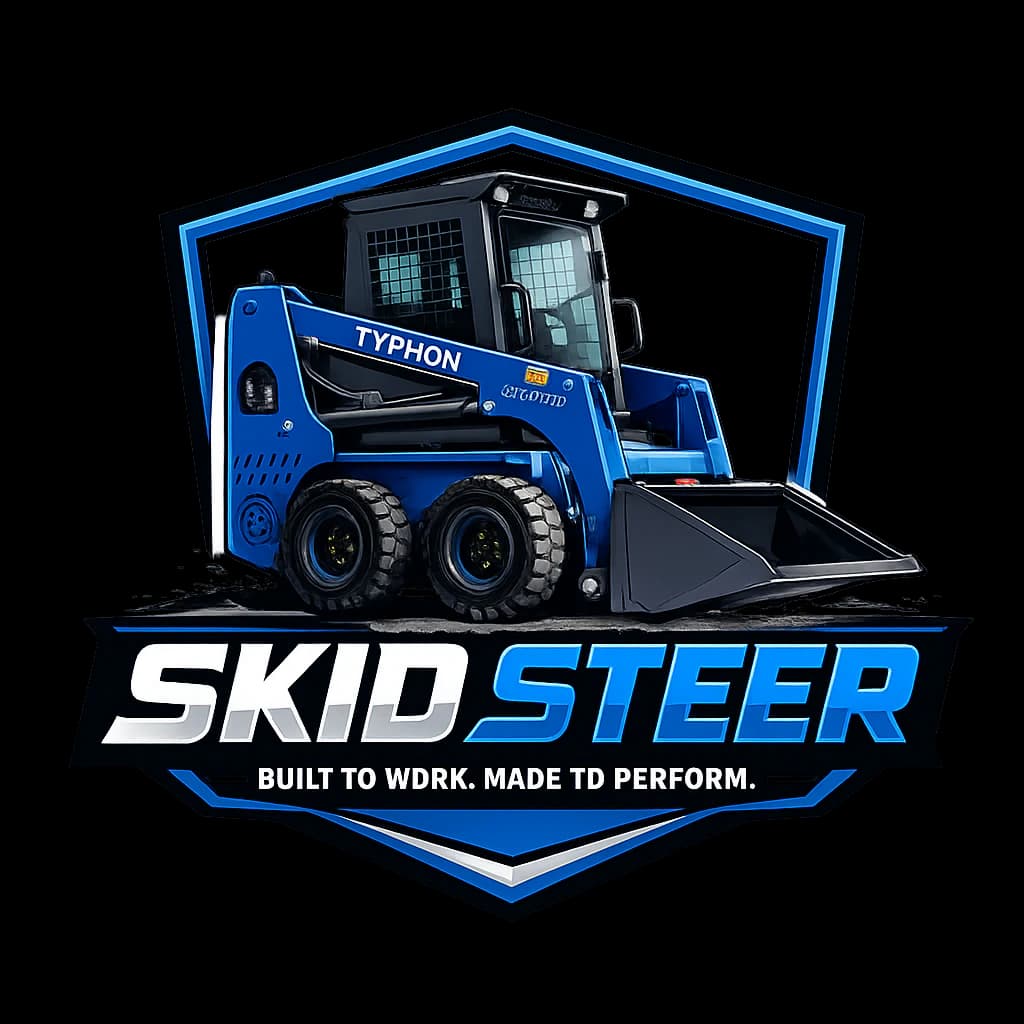
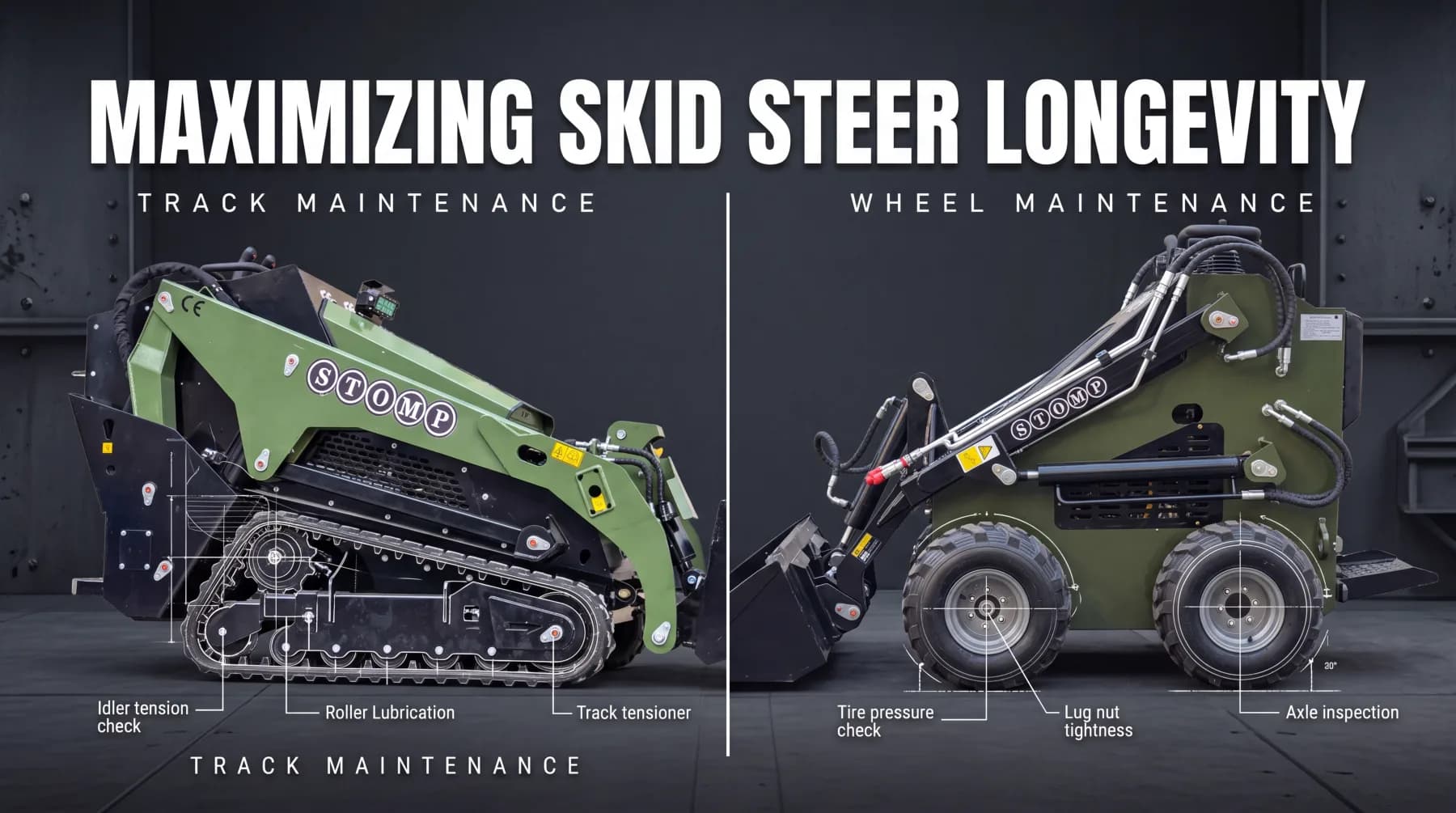
Your skid steer works hard, and the parts that carry it across every job site take the most punishment of all. Whether your machine rides on wheels or tracks, the undercarriage bears the full weight of the work, absorbing impact, abrasion, and stress with every hour of operation.
Neglect it, and you invite premature wear, unexpected breakdowns, and repair bills that eat straight into your profit. Protect it, and you extend the life of your machine while keeping it productive and dependable shift after shift.
The good news is that undercarriage care comes down to a handful of straightforward habits anyone on your crew can follow. This guide covers the essentials for both wheeled and tracked skid steers, walking you through the practical steps that prevent damage, control wear, and keep your equipment running strong.
Use it to build a maintenance routine that protects your investment for the long haul.
Wheel Maintenance and Damage Prevention

For wheeled skid steers, the tires are your point of contact with every surface you work on, and they take a beating in the process. Keeping them properly inflated, clear of debris, and matched to the terrain protects both the tires and the machine they carry.
The three practices below form the foundation of dependable wheel care.
Tire Pressure Management
Correct tire pressure is the simplest and most overlooked factor in protecting your wheeled skid steer. Maintaining the manufacturer's recommended pressure ensures the machine's weight spreads evenly across each tire, which is essential for optimal load distribution.
When pressure is right, the tire carries the load the way it was engineered to, wearing evenly and lasting longer. When pressure drifts too low, the tire flexes far more than it should, and that constant flexing leads directly to premature sidewall fatigue. Over time, that fatigue weakens the tire and shortens its usable life well before you should have to replace it.
Under-inflation creates real risks beyond gradual wear, especially on demanding ground. A soft tire is far more susceptible to punctures and bead damage, and those hazards multiply when you navigate rocky or debris-heavy terrain.
The tire deforms around sharp objects instead of rolling over them, exposing the sidewall and bead to cuts and impacts that a properly inflated tire would resist. On the punishing surfaces skid steers often work, that difference matters enormously.
Building a simple pressure routine protects your tires and your uptime:
- Check pressure regularly against the manufacturer's specification, not by eye.
- Inspect for slow leaks that let pressure drop gradually between checks.
- Adjust for load and conditions within the recommended range.
- Watch for uneven wear that can signal a chronic pressure problem.
A few minutes with a gauge each day catches problems before they cost you a tire. Keep pressure where the manufacturer intends, and you protect load distribution, guard against sidewall fatigue, and dramatically reduce the punctures and bead damage that rough terrain invites.
Debris Clearing
Debris is a quiet enemy of wheeled skid steers, working away at your tires and seals while you focus on the job in front of you. Regularly inspect the wheel wells and chassis for accumulated mud, rocks, and tangled wire that collect during operation.
On a busy site, this buildup happens fast, and once it packs into tight spaces, it presses against the tires and seals as the wheels turn. That constant contact creates abrasive wear that grinds down surfaces and shortens component life, all from material that a quick inspection would have caught.
The most serious threat comes from harder and sharper debris. Rocks lodged in the wheel well and wire wrapped around an axle do more than rub. They can cut into the tire carcass during operation, opening the door to failures that pull the machine out of service.
Removing this material promptly prevents the abrasive wear that dulls performance and reduces the risk of cutting damage that can ruin a tire outright.
Make debris clearing part of your regular inspection rhythm rather than an afterthought. Check the wheel wells and chassis at the end of each shift or between demanding tasks, and clear out anything that has collected.
Pay close attention to tangled wire, which can be hard to spot but does real damage when it wraps tightly around rotating parts. This habit costs only a few minutes, yet it protects your tires, seals, and surrounding components from the steady grinding and cutting that packed debris causes.
Keep the undercarriage clear, and you eliminate one of the most common and avoidable sources of tire wear on any job site.
Surface Awareness
How you operate on tough surfaces has just as much impact on tire life as how you maintain the tires themselves. Sharp, jagged ground demands caution, and the biggest mistake operators make is moving too fast across it.
High-speed maneuvers on rough terrain increase the likelihood of sidewall gouges because the tire strikes edges and points with more force and less control. Slowing down on jagged surfaces gives the tire time to roll over hazards rather than slam into them, sparing the sidewalls from the cuts and gouges that fast, aggressive driving invites.
Simple awareness of the ground beneath you prevents a surprising amount of damage.
Choosing the right tire for the job matters just as much as how you drive. Matching the tread pattern to your specific job site significantly reduces the risk of flat tires and structural damage.
The right choice depends on the conditions you face most often:
- Severe-duty tires for the harshest, most abrasive, and puncture-prone ground.
- Pneumatic options where ride quality and traction on softer surfaces matter.
- Aggressive tread patterns for loose or uneven terrain that demands extra grip.
- Application-matched designs that suit the material and hazards of your site.
Selecting a tire built for your conditions gives you the durability and protection the work requires. A tire suited to soft ground will suffer on sharp rock, while a severe-duty tire handles that punishment far better.
Take time to assess the surfaces you work on most, then equip your machine accordingly. Combine smart tire selection with careful, controlled operation on jagged ground, and you protect your tires from the gouges, flats, and structural damage that rough job sites can cause.
Awareness and the right equipment work hand in hand to keep your wheels rolling.
Track Maintenance and Damage Prevention

Tracked skid steers spread their weight across a larger surface, but that advantage comes with an undercarriage full of moving parts that demand attention.
Correct tension, thorough cleaning, and smart operating habits keep the tracks, rollers, and drive components working smoothly. The three practices below protect that system and extend its life.
Proper Track Tension
Track tension sits at the heart of undercarriage health on a tracked skid steer, and getting it right protects a whole system of expensive components.
Monitor and adjust track tension frequently because tension naturally changes as the tracks wear, debris accumulates, and conditions shift. Tracks that are too loose and tracks that are too tight both create serious problems, so the goal is the balanced tension the manufacturer specifies.
Checking it often lets you catch and correct drift before it leads to damage or downtime.
The two failure modes pull in opposite directions, and understanding both helps you keep tension in the safe middle. Excessively loose tracks risk de-tracking by jumping off the sprockets during operation, which can strand the machine and damage components as the track comes free.
Over-tightened tracks cause the opposite kind of harm:
- Loose tracks may jump the sprockets and de-track under load or during turns.
- Over-tightened tracks place extreme stress on the idlers and drive motors.
- Correct tension keeps the track seated and spreads load across the system.
- Frequent checks catch tension changes before they cause damage.
Both extremes cost you. A de-tracked machine means lost time and potential damage, while chronic over-tightening wears out idlers and drive motors long before their time, leading to expensive repairs.
Because tension changes with use, a set-and-forget approach simply does not work. Build tension checks into your regular maintenance schedule, follow the manufacturer's specification for your machine, and adjust as needed to stay in that safe range.
Keeping tension properly dialed in protects the sprockets, idlers, and drive motors while ensuring the tracks stay seated and perform the way they should. It is one of the most important habits for maximizing track life.
Undercarriage Cleaning
Daily undercarriage cleaning is one of the most effective things you can do to extend track life, and it is easy to underestimate how much damage buildup causes.
Thoroughly clean the undercarriage every day to remove compacted soil, clay, and rocks that pack into the spaces between the rollers and tracks. Once lodged there, this material acts as a grinding agent, working like sandpaper against the metal components with every rotation.
What looks like harmless mud is actually accelerating wear throughout the system, and only consistent cleaning stops it.
The damage reaches deeper than the surfaces you can see. Compacted material grinds against the rollers and other metal parts, wearing them down prematurely, but it also threatens the rubber track itself.
Inside every rubber track are steel cables that give it strength and hold its shape, and abrasive grit trapped against the track can compromise those cables over time. Protecting the internal steel cables is essential because once they are damaged, the entire track is on its way to failure.
Make cleaning a firm part of your end-of-day routine rather than an occasional chore. Clear out packed soil, clay, and rocks from around the rollers, sprockets, and track frame, paying attention to the tight spots where material collects and hardens.
Sticky clay is especially stubborn and damaging, so do not let it build up shift after shift. Consistent daily cleaning prevents the excessive wear that grinding debris causes on the metal components and preserves the integrity of the rubber track and its steel cables.
A few minutes of cleaning protects thousands of dollars in undercarriage parts, making it one of the highest-value maintenance habits you can build.
Operator Technique
The way an operator drives a tracked skid steer has a direct and lasting effect on how long the tracks last.
The single most damaging habit is the spin turn, where the machine pivots sharply in place by driving the tracks in opposite directions. On abrasive surfaces like concrete or asphalt, spin turns exert tremendous torsional force on the track structure, twisting and grinding the rubber and lugs against a hard, unforgiving surface.
This wears down the track lugs quickly and stresses the undercarriage components, shortening the life of parts that are costly to replace. Avoiding spin turns on hard, abrasive ground is one of the easiest ways to protect your tracks.
The better approach is to change direction gradually. Instead of pivoting in place, use wider, sweeping turns that let the machine change heading while continuing to move forward.
Gradual turns distribute the machine's weight more evenly across the track and avoid concentrating force on any single point, which preserves both the track lugs and the rollers underneath. This gentler technique keeps the undercarriage working the way it was designed to, reducing wear and extending the service life of the entire system.
Training your operators in proper turning technique pays off across your whole fleet. Once a crew understands why spin turns are so damaging, especially on concrete and asphalt, they naturally adopt the wider, more controlled turns that protect the equipment.
Make this part of how you run your machines, and reinforce it with anyone new to a tracked skid steer. Good operating habits cost nothing yet deliver real savings by preserving track lugs, rollers, and the undercarriage components that keep the machine moving.
Smart technique is a form of maintenance in its own right.
Conclusion
Protecting your skid steer's undercarriage does not require special expertise or expensive equipment. It requires consistent, informed attention to the parts that carry your machine through every job.
For wheeled machines, that means holding the right tire pressure, clearing debris before it grinds and cuts, and matching your tires and driving to the surfaces you work on.
For tracked machines, it means keeping tension properly adjusted, cleaning the undercarriage daily to stop abrasive buildup, and turning with a technique that spares the track lugs and rollers.
Each of these habits is simple on its own, but together they dramatically extend the life of your undercarriage and the machine it supports. The payoff shows up as fewer breakdowns, lower repair costs, and more productive hours on the job.
Build these practices into your daily routine, train your crew to follow them, and your skid steer will reward you with the reliability and long service life your operation depends on.
When wear or damage runs beyond routine care, trust a qualified technician to keep your machine performing at its best.
Request a quote or Visit TYPHON to learn more about skid steers, maintenance support, and equipment solutions.