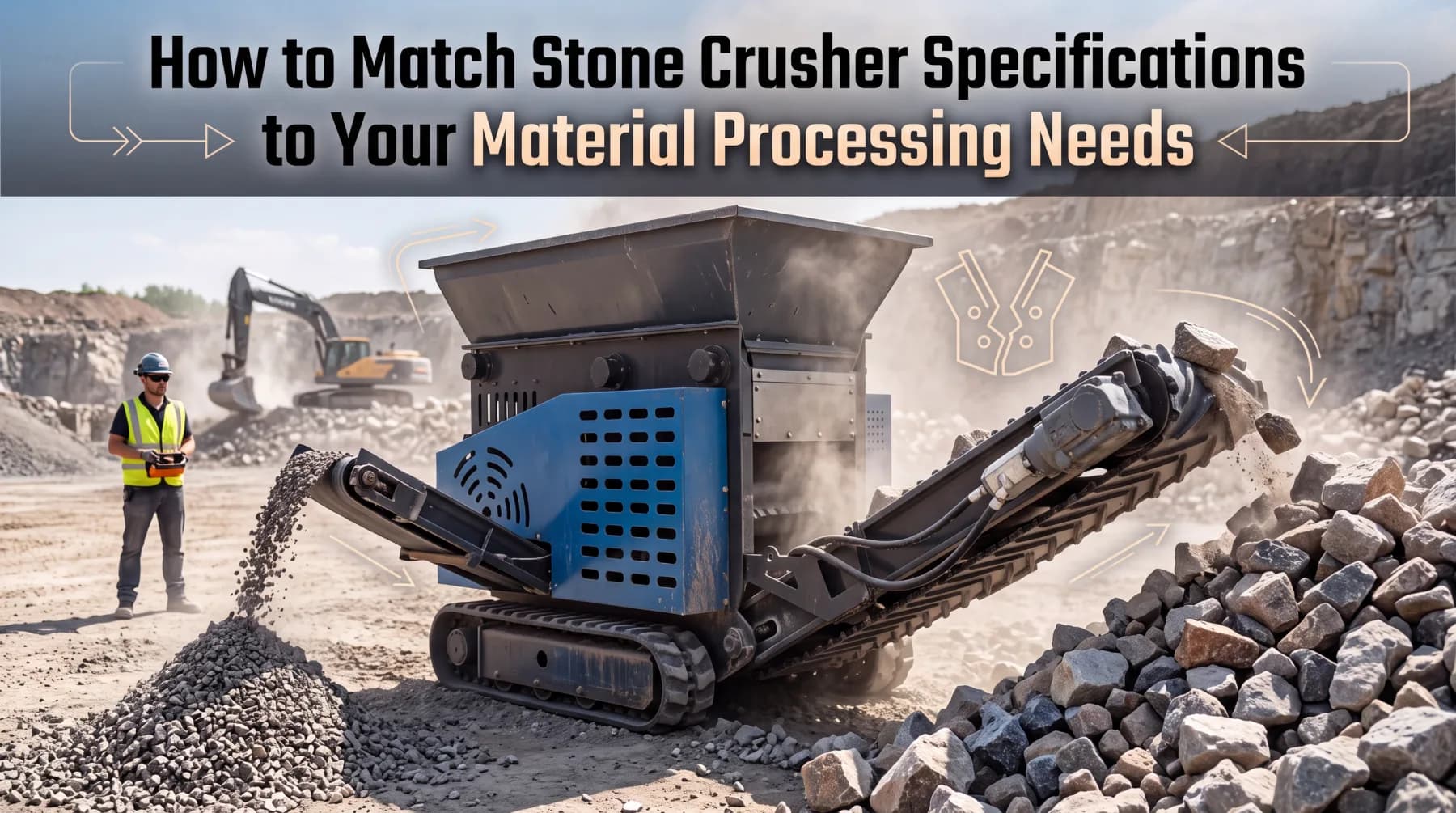
Choosing a stone crusher is a decision that shapes the efficiency, cost, and quality of your entire material processing operation. The right machine turns raw rock into usable aggregate smoothly and consistently, while the wrong one leaves you fighting blockages, poor output, and disappointing production rates. The key is matching the crusher's specifications to the material you process and the results you need, rather than choosing on price or size alone.
This guide walks you through how to match stone crusher specifications to your processing needs across five practical areas. You will learn how to assess your material type and hardness, choose the right feed size and opening, match output size to your application, compare crushing capacity and production rate, and weigh power, mobility, and jobsite conditions. By the end, you will have a clear, dependable framework for selecting a crusher that fits your work.
Understand Your Material Type and Hardness
Different stone and aggregate materials place very different demands on a crusher, so the first step in any selection is understanding exactly what you plan to process. A machine that handles soft limestone with ease may struggle badly with hard granite, and one built for abrasive material may be more than a lighter job requires. Knowing your material inside and out is what allows you to choose equipment suited to the real work ahead.
Several properties of the material deserve careful attention, since each affects how the crusher performs and how quickly its wear parts break down:
- Hardness, which determines how much force the crusher must apply to break the material and influences the type of crusher best suited to the job
- Abrasiveness, which affects how quickly wear components such as jaw plates and liners degrade during operation
- Moisture content, since damp or sticky material can clog the crushing chamber and reduce throughput
- Material composition, including any variation in the rock that may change how it behaves as it passes through the machine
Assessing these factors together gives you a realistic picture of the demands your material will place on a crusher. Hard, abrasive rock calls for a robust machine built with durable wear parts and the power to break tough material reliably. Softer material with higher moisture may call for a configuration that resists clogging and keeps material flowing. When you match the crusher to the properties of your material, you avoid premature wear, reduce downtime, and gain a machine that processes your rock efficiently. This understanding forms the foundation of every other specification decision you make.
Choose the Right Feed Size and Opening
The crusher's feed opening determines the maximum material size the machine can accept, which makes it one of the most important specifications to match to your operation. If the incoming rock is too large for the opening, it cannot enter the crushing chamber properly, and the result is blockages, interruptions, and lost production. Matching the feed opening to your typical incoming rock size keeps material flowing smoothly and the machine working as intended.
Getting this match right starts with knowing the size of the material you feed into the crusher. Rock arrives in a range of sizes depending on how it is quarried or excavated, and the largest pieces are what set the requirement for the feed opening. Choosing a crusher whose opening comfortably accepts your largest common material prevents the frustration of pieces that jam the entry and stall the process. A well-matched opening lets the machine take in material at a steady pace without constant intervention.
There is also a direct link between feed opening and the pre-processing your operation requires. When the opening suits your incoming rock, you reduce the need to break down oversized material before it reaches the crusher. That saves time, labor, and the cost of extra handling. When the opening is too small for your material, you are forced to spend effort reducing rock to a size the machine can accept, which slows the whole operation and adds expense.
Weighing the feed opening against your actual material means looking honestly at the sizes you handle most and the largest pieces you expect. A crusher matched to those realities prevents blockages, minimizes pre-processing, and keeps your material moving efficiently from the first load to the last.
Match Output Size to Your Application
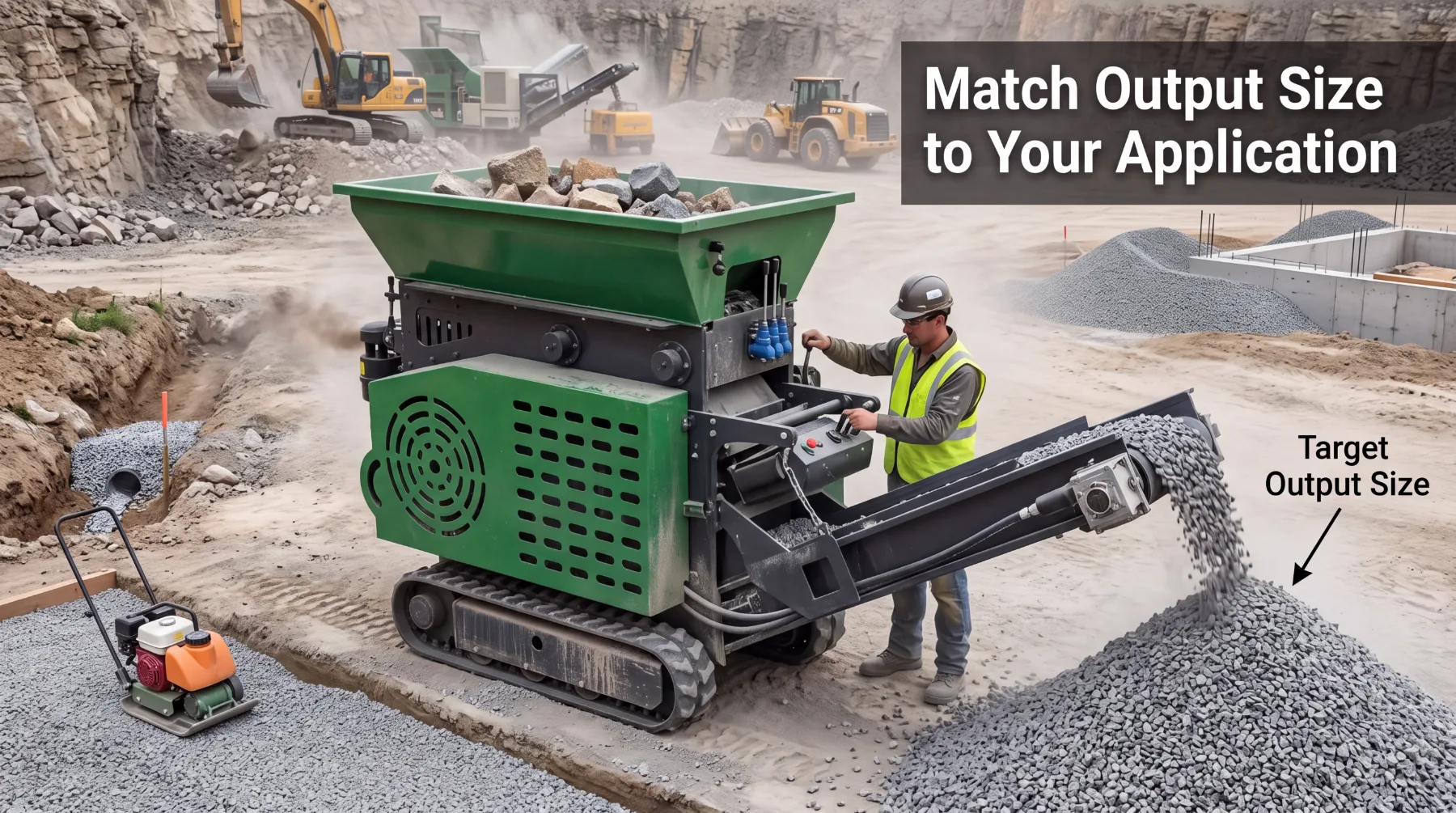
Before choosing a crusher, you need a clear picture of the final aggregate size your project requires, because the output determines how the machine should be configured. Different applications call for different sizes, and a crusher that produces the wrong output leaves you with material you cannot use or forces additional processing to reach the size you need. Defining your target output first is what steers the rest of the decision.
The intended use of the material sets the size requirement. Road base demands aggregate graded to specific dimensions that compact well and provide a stable foundation. Construction fill may call for a different size suited to backfilling and support. Other applications, from drainage to concrete production, each carry their own size expectations. Knowing which of these your project serves tells you exactly what the crusher needs to produce.
Crusher settings and discharge configuration should be suited to that target output. Many crushers allow adjustment of the discharge setting, which controls the size of the material leaving the machine, so a crusher that offers the right range of settings gives you the flexibility to hit your target size. When the discharge configuration matches your goal, the machine produces usable aggregate directly, without the added cost and time of reprocessing material that came out too large or too fine.
Matching output to your application saves effort at every stage that follows. Aggregate produced to the correct size drops straight into use, whether it becomes road base, construction fill, or another product your project depends on. By defining the final size you need before you choose a crusher and confirming the machine can deliver it, you gain a reliable supply of exactly the material your work requires.
Compare Crushing Capacity and Production Rate
Your production requirements should be matched carefully against a crusher's rated throughput and the conditions in which it operates. A machine that cannot keep pace with your workload creates bottlenecks that slow the entire operation, while one with capacity far beyond your needs may represent more investment than the job justifies. Finding the right balance means understanding both how much material you need to process and how much the crusher can realistically handle.
Rated throughput, often expressed in tons per hour, gives you a starting measure of a crusher's capacity. This figure tells you how much material the machine is designed to process under suitable conditions, and comparing it against your expected volume helps you judge whether the crusher can meet your demands. A machine whose rated throughput comfortably covers your workload gives you the headroom to keep production steady even when demand rises.
Consistency matters just as much as peak capacity. A crusher that can process material reliably throughout the planned workload delivers dependable results across a full shift, rather than strong performance in short bursts followed by slowdowns. Consider how steadily the machine can maintain its rate given your material and operating conditions, since real-world throughput often depends on the hardness of the rock, the feed size, and how consistently material is supplied to the machine.
Looking at capacity and production rate together gives you a practical view of whether a crusher fits your operation. Weigh the tons per hour you genuinely need against the machine's rated throughput and its ability to sustain that rate under your conditions. When the crusher's capacity aligns with your workload, you gain steady, efficient production that keeps your project on schedule and your material supply reliable.
Consider Power, Mobility, and Jobsite Conditions
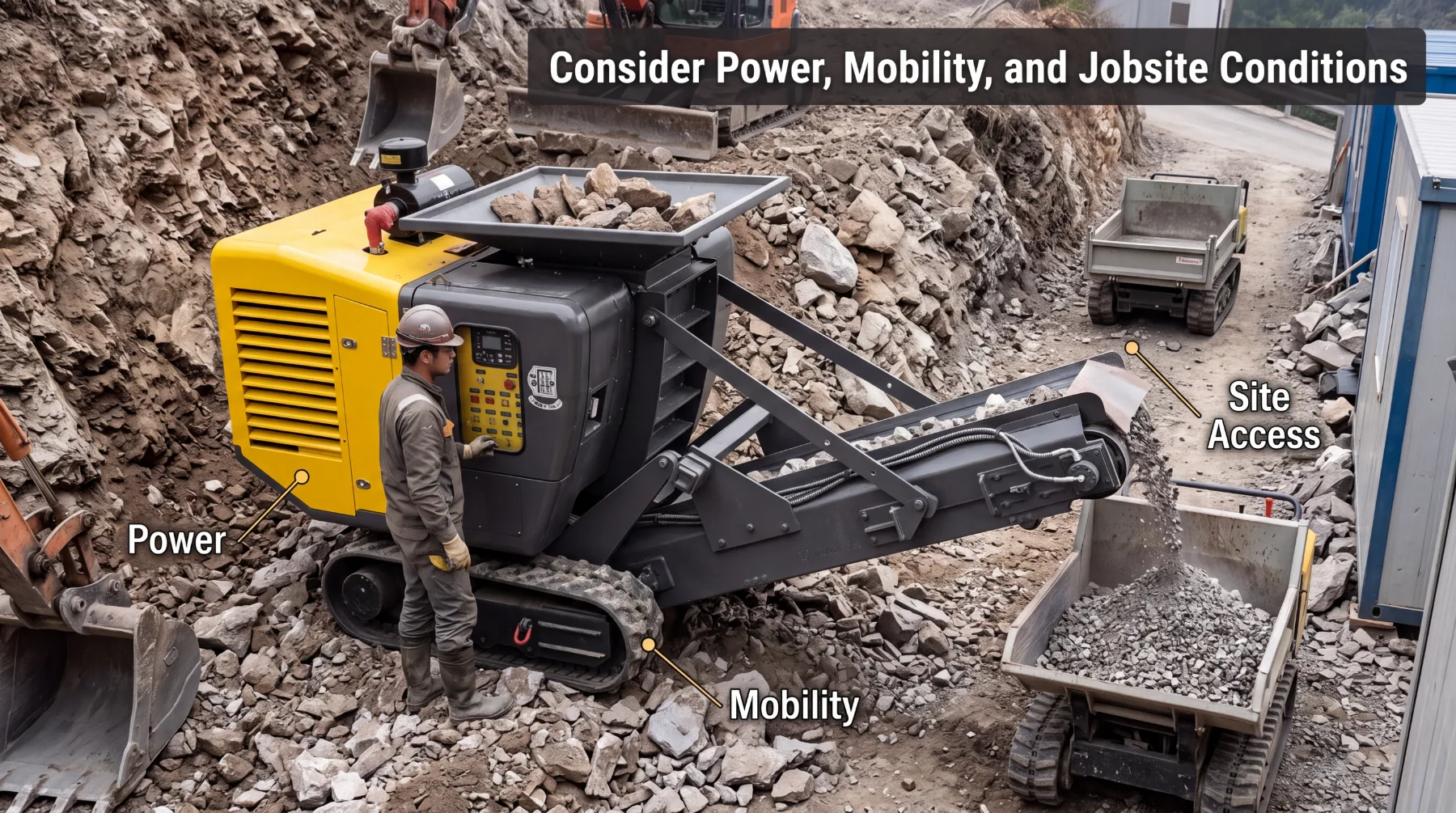
The practical fit of a crusher depends on more than its crushing performance. Engine power, machine size, mobility, and the operating environment all influence how well the machine suits a specific site. A crusher that performs beautifully in a fixed installation may be impractical for a location with limited access, so weighing these factors against your working conditions is essential to a sound choice.
Engine power sits at the heart of how a crusher performs. Sufficient power allows the machine to process material at its rated capacity and handle hard rock without struggling, while inadequate power limits throughput and consistency. Machine size matters too, since a larger crusher may offer greater capacity but demand more space, transport, and setup than a smaller site can accommodate. Matching the machine's size and power to both your production needs and your site keeps the operation practical.
Mobility and jobsite conditions often prove decisive, particularly for operations that move between locations. Several considerations deserve thought here:
- Transportation, or how readily the machine can be moved to and between sites
- Access, meaning whether the crusher can reach and fit within the working area
- Operating environment, including the space, terrain, and conditions where the machine will run
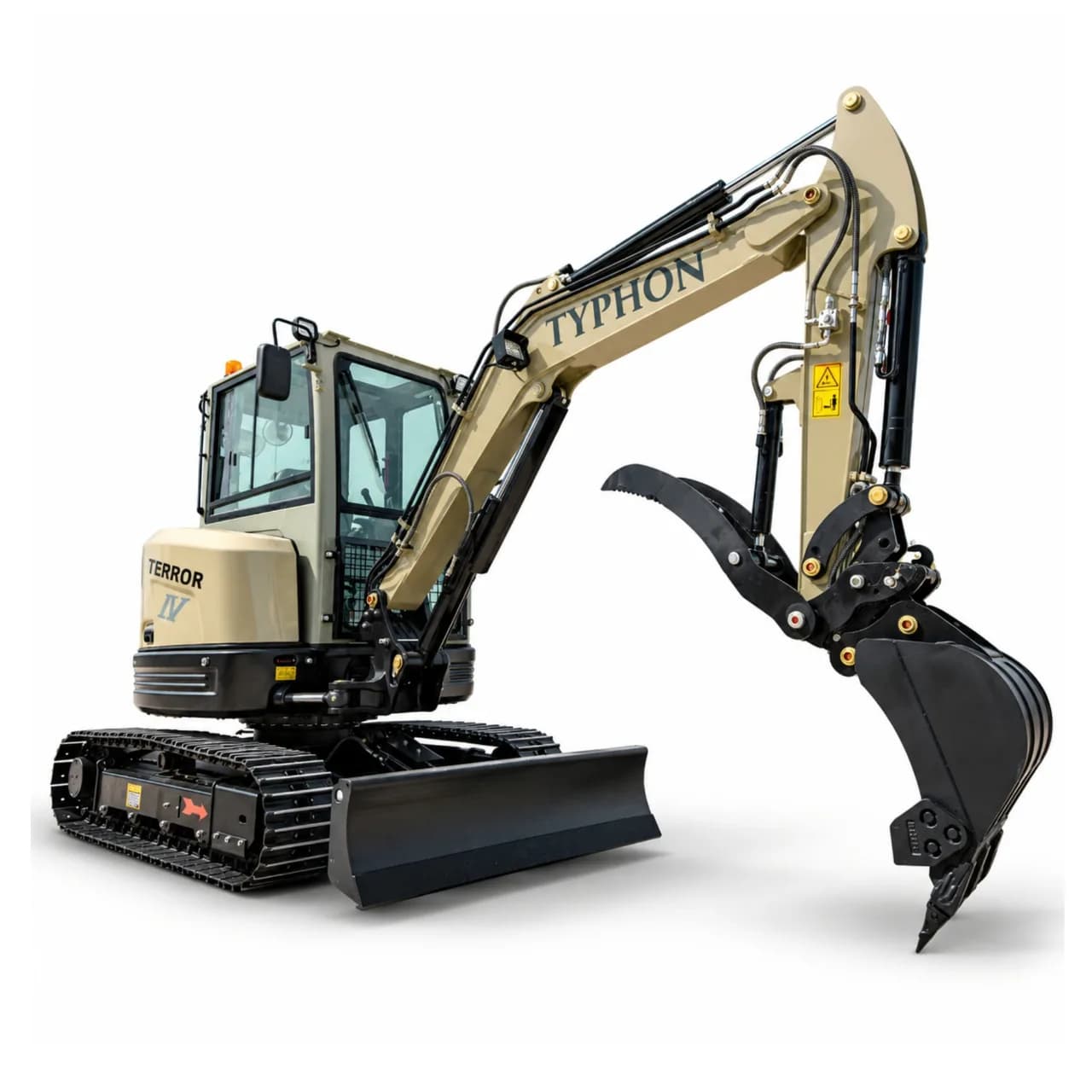
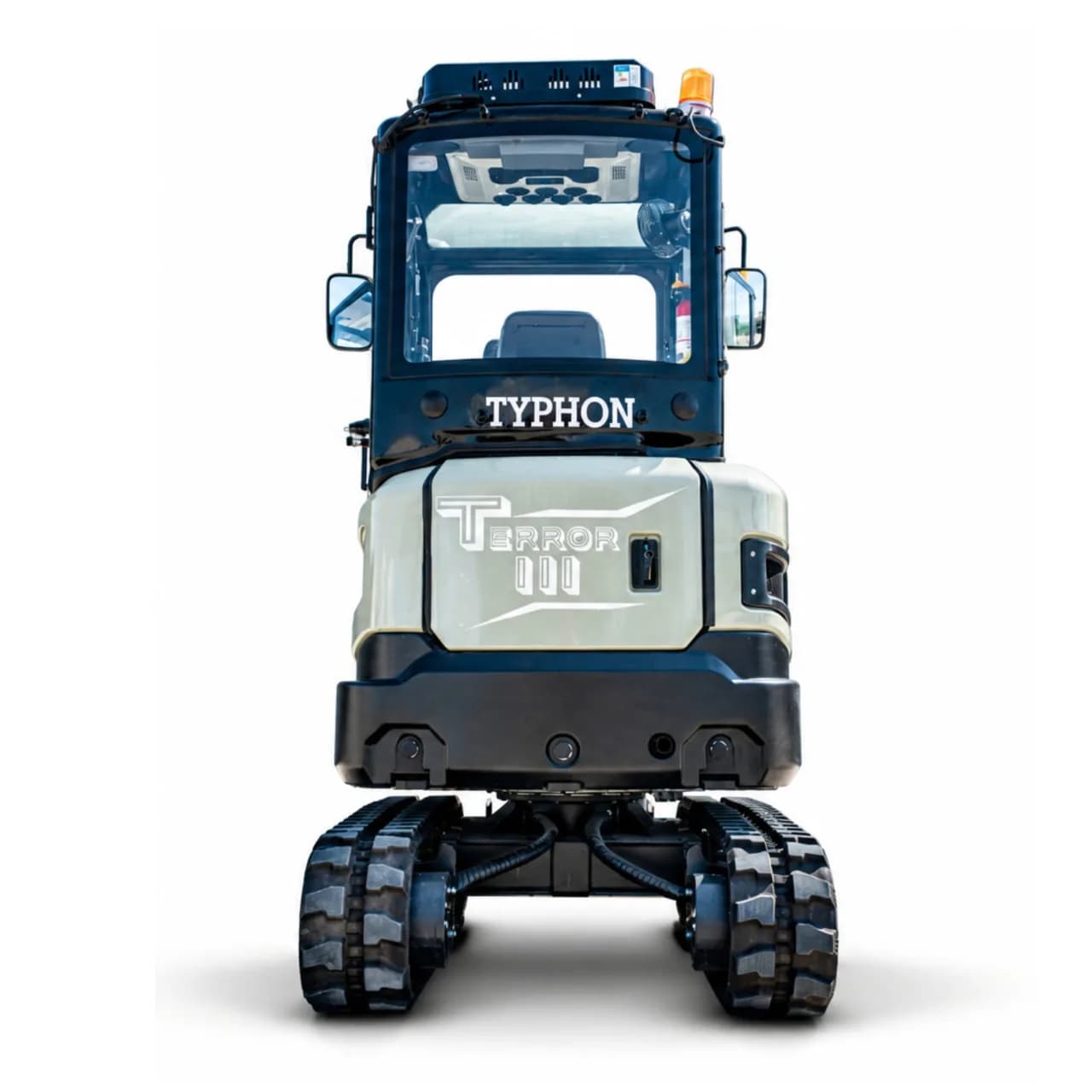
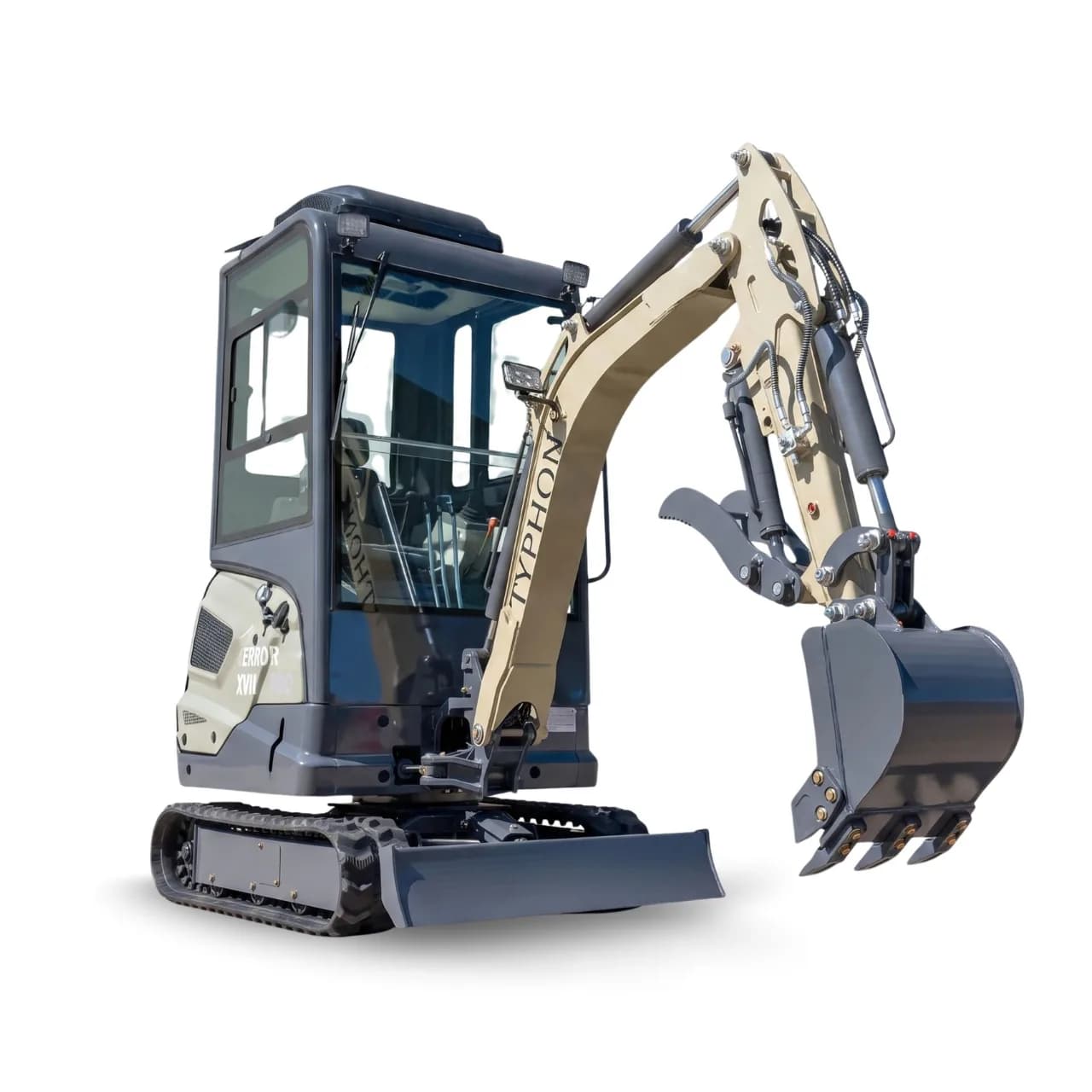
A compact mobile crusher can be well suited to smaller projects or locations where transportation and access are important considerations. Its mobility lets it reach sites that larger fixed equipment cannot, and its compact form makes it practical where space is tight. For operations that value flexibility and easy relocation, this kind of machine offers a dependable solution. Matching power, mobility, and size to your site conditions ensures the crusher you choose is not just capable but genuinely practical for the work you do.
Conclusion
Matching stone crusher specifications to your material processing needs comes down to understanding your work from every angle. Start with the material itself, weighing hardness, abrasiveness, moisture, and composition. Match the feed opening to your incoming rock to prevent blockages, and confirm the output size suits your application, whether road base, construction fill, or another product. Compare rated throughput against your workload to ensure steady production, and weigh power, mobility, and site conditions to keep the machine practical where you use it.
Before selecting your next crusher, take an honest look at the material you process, the output you need, the volume you handle, and the conditions of your sites. When you match each specification to these realities rather than choosing on a single figure, you gain a machine that processes material efficiently, produces exactly what your projects require, and performs reliably shift after shift. That thoughtful match is the foundation of a dependable, cost-effective crushing operation.
Frequently Asked Questions
**1. Why does material hardness matter so much when choosing a crusher?
**Material hardness matters because it determines how much force a crusher must apply to break the rock, which directly affects the type and strength of machine you need. Hard materials such as granite demand a robust crusher built to generate significant crushing force and equipped with durable wear parts, while softer materials like limestone place lighter demands on the machine. Choosing a crusher that cannot handle your material's hardness leads to poor performance, slow throughput, and rapid wear, while an unnecessarily heavy machine may cost more than the job requires. Hardness also works alongside other properties that shape crusher selection. Abrasiveness affects how quickly wear components such as jaw plates and liners degrade, so highly abrasive material calls for durable parts and may increase maintenance needs. Moisture content matters too, since damp or sticky material can clog the crushing chamber and reduce throughput. Material composition, including any variation in the rock, can change how it behaves as it moves through the machine. Assessing all these properties together gives you a realistic picture of the demands your material places on a crusher. When you match the machine to your material's hardness and related characteristics, you avoid premature wear, reduce downtime, and gain equipment that processes your rock efficiently and reliably.
**2. How do I know if a crusher's feed opening is the right size?
**The right feed opening is one that comfortably accepts the largest pieces of rock you commonly process. The feed opening determines the maximum material size a crusher can take in, so if your incoming rock is too large, it cannot enter the crushing chamber properly, causing blockages, interruptions, and lost production. To judge whether an opening fits your operation, start by knowing the size of the material you feed into the machine. Rock arrives in a range of sizes depending on how it is quarried or excavated, and the largest common pieces set the requirement for the feed opening. Choosing a crusher whose opening handles those pieces comfortably keeps material flowing smoothly and reduces the constant intervention that undersized openings demand. There is also an important link between feed opening and pre-processing. When the opening suits your incoming rock, you reduce the need to break down oversized material before it reaches the crusher, which saves time, labor, and handling costs. When the opening is too small, you are forced to reduce rock to an acceptable size first, slowing the operation and adding expense. Looking honestly at the sizes you handle most and the largest pieces you expect helps you select an opening that prevents blockages and keeps your material moving efficiently.
**3. How do I choose the right output size for my project?
**Choosing the right output size starts with defining the final aggregate size your project requires before you select a crusher. Different applications call for different sizes, and producing the wrong output leaves you with unusable material or forces additional processing to reach the size you need. The intended use sets the requirement. Road base demands aggregate graded to specific dimensions that compact well and provide a stable foundation, construction fill may call for a different size suited to backfilling and support, and other applications such as drainage or concrete production each carry their own expectations. Knowing which your project serves tells you exactly what the crusher must produce. Once you have defined the target size, confirm that the crusher's settings and discharge configuration can deliver it. Many crushers allow adjustment of the discharge setting, which controls the size of material leaving the machine, so a crusher offering the right range of settings gives you flexibility to hit your target. When the discharge configuration matches your goal, the machine produces usable aggregate directly, without the added cost and time of reprocessing material that came out too large or too fine. Defining your output first and confirming the machine can achieve it gives you a reliable supply of exactly the material your work requires.
**4. What should I consider when comparing crushing capacity and production rate?
**When comparing capacity and production rate, match your production requirements against the crusher's rated throughput and the conditions in which it will operate. Rated throughput, usually expressed in tons per hour, tells you how much material the machine is designed to process under suitable conditions, and comparing this against your expected volume helps you judge whether the crusher can meet your demands. A machine whose rated throughput comfortably covers your workload gives you headroom to keep production steady even when demand rises. Consistency deserves as much attention as peak capacity. A crusher that processes material reliably throughout the planned workload delivers dependable results across a full shift, rather than strong bursts followed by slowdowns. Consider how steadily the machine can maintain its rate given your specific material and operating conditions, since real-world throughput often depends on the hardness of the rock, the feed size, and how consistently material is supplied. A machine matched only to peak figures may disappoint if it cannot sustain that pace under your actual conditions. Looking at capacity and production rate together gives you a practical view of whether a crusher fits your operation. Weigh the tons per hour you genuinely need against the machine's rated throughput and its ability to sustain that rate, and you gain steady, efficient production that keeps your project on schedule.
**5. Is a compact mobile crusher the right choice for my site?
**A compact mobile crusher can be an excellent choice for smaller projects or locations where transportation and access are important considerations, though the right answer depends on your specific site and workload. Its main advantage is mobility, since it can reach sites that larger fixed equipment cannot and can be relocated readily as work moves between locations. Its compact form also makes it practical where space is tight, giving you crushing capability in areas that could not accommodate a larger machine. For operations that value flexibility and easy relocation, this kind of crusher offers a dependable, practical solution. To decide whether it suits your work, weigh several factors together. Consider transportation, or how readily the machine can be moved to and between your sites, and access, meaning whether the crusher can reach and fit within your working areas. Think about the operating environment as well, including the space, terrain, and conditions where the machine will run. You should also confirm that a compact machine offers the engine power and capacity your production genuinely requires, since a smaller crusher must still meet your throughput and output needs. When mobility and access are priorities and a compact machine delivers the capacity your work demands, it can be an ideal fit for your operation.