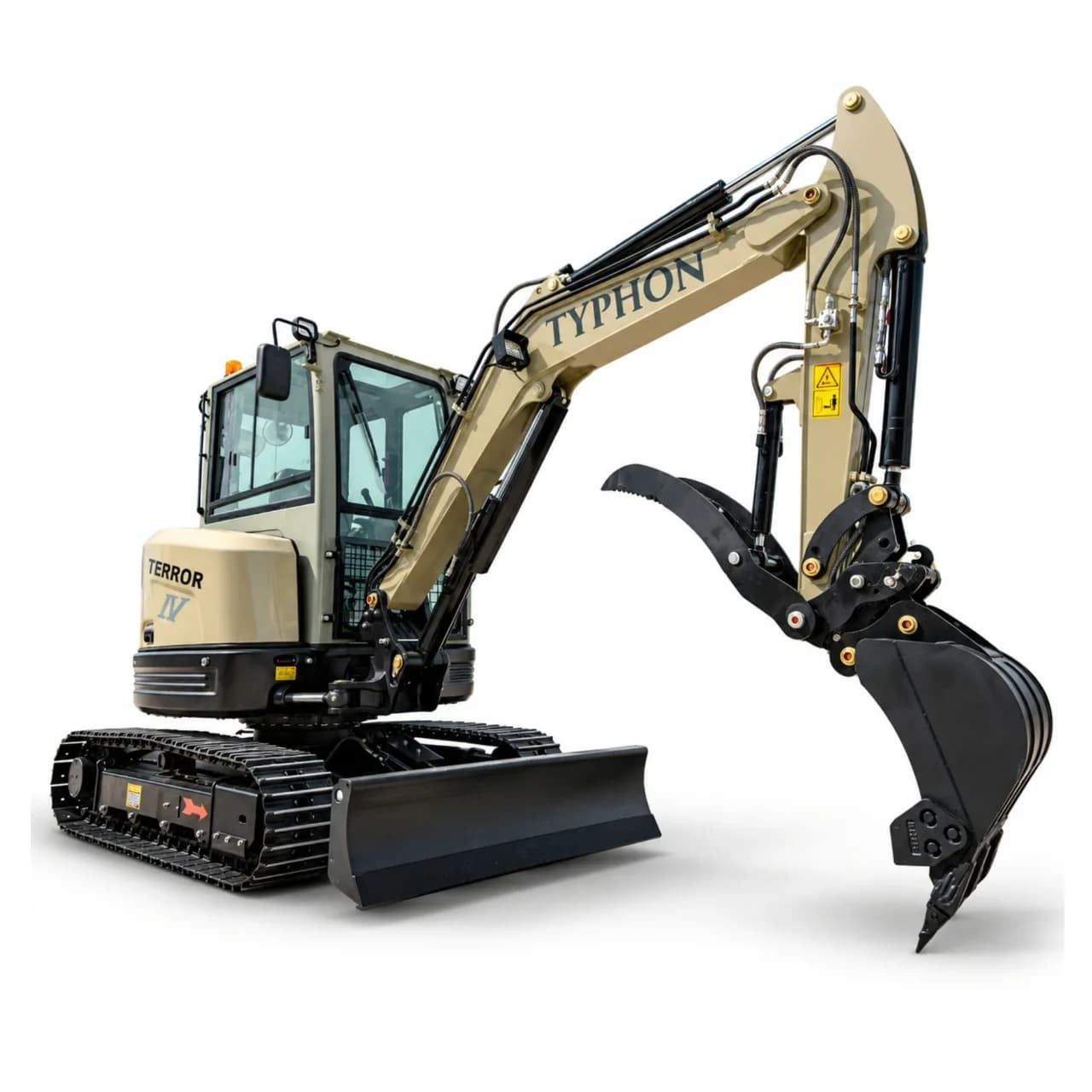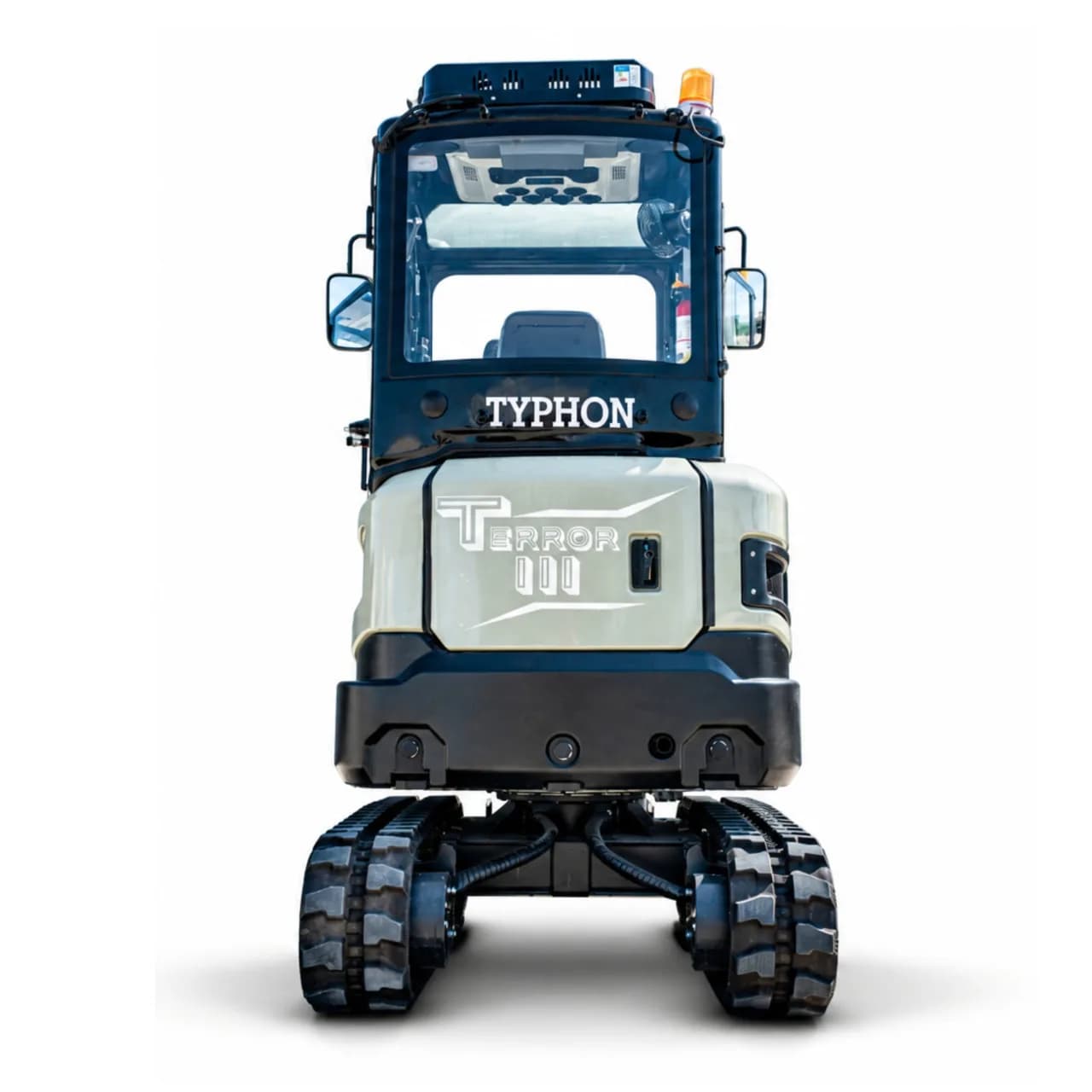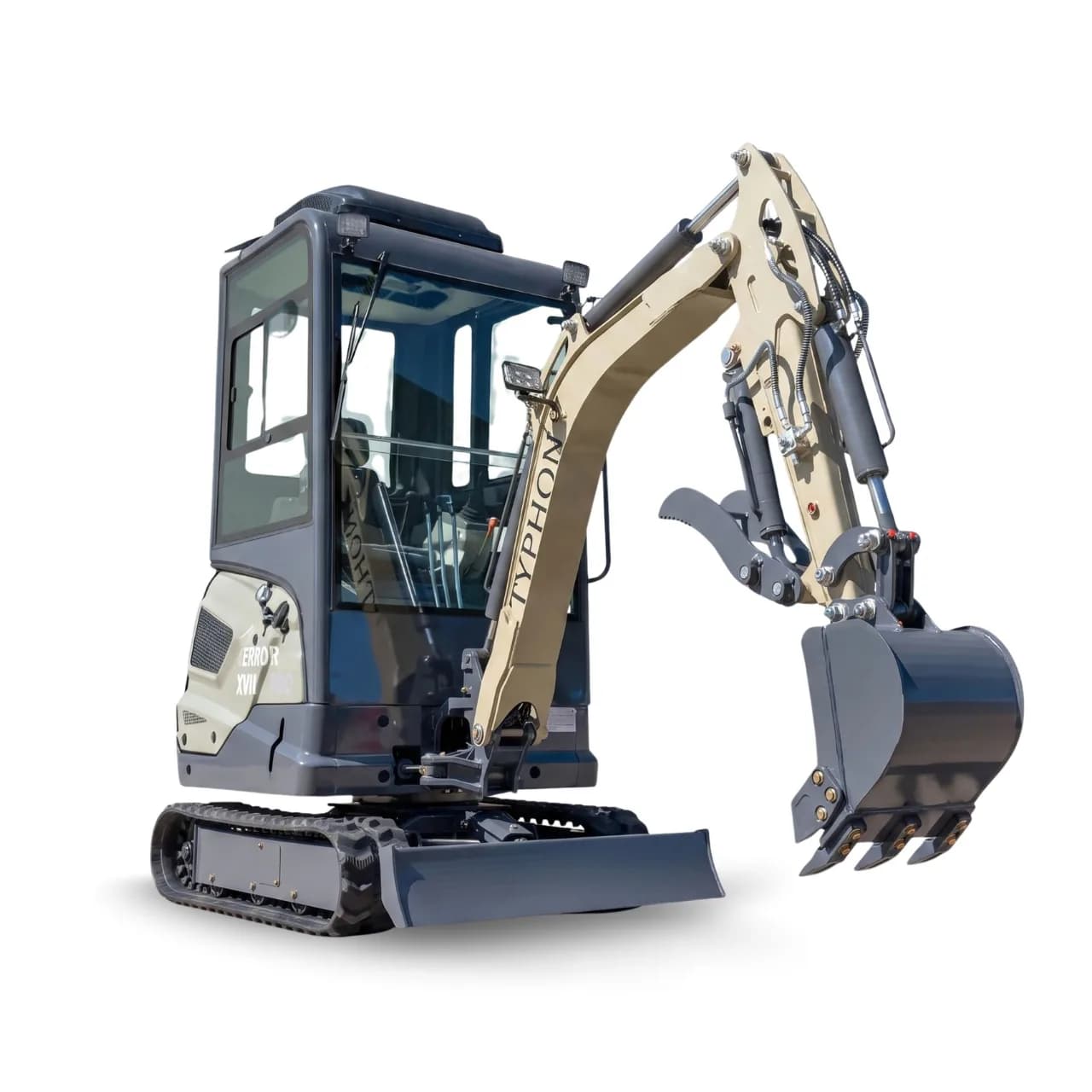
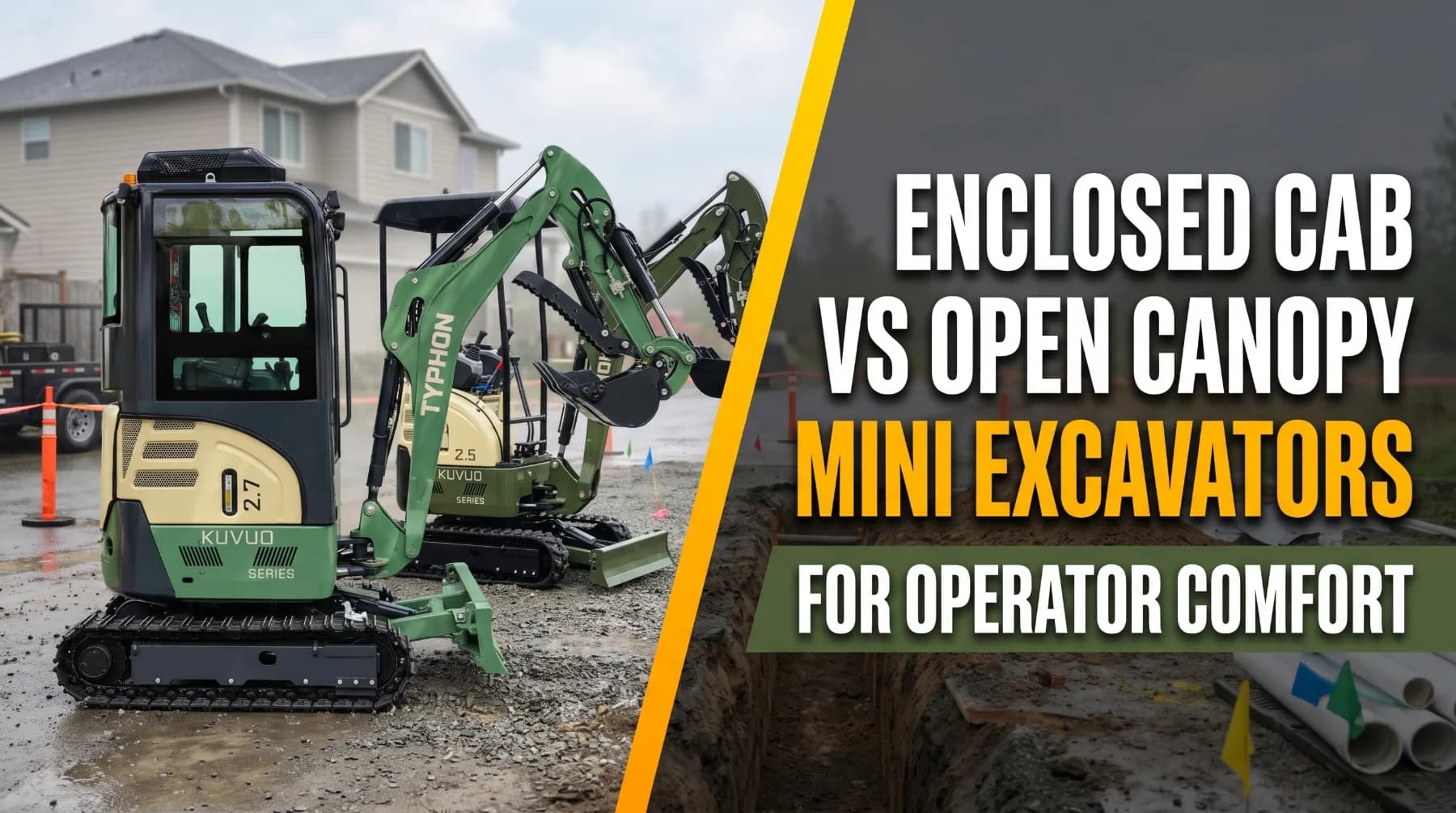
Sleet begins falling during a residential sewer lateral replacement, where two mini excavators work on neighboring properties. One operator sits inside an enclosed cab with the heater running, windshield wipers clearing the glass, and the radio low enough to hear the spotter's calls. The other operates an open-canopy machine wearing a rain jacket and gloves as water collects on the controls. Both machines perform the digging work equally well, but the enclosed cab provides better protection from cold, moisture, and wind, helping the operator remain comfortable and focused throughout the job. The canopy operator, meanwhile, may need occasional breaks to warm up, clear his safety glasses, and dry his hands. However, the advantages can shift during warmer landscaping work, especially on jobs that require frequent entry and exit. An open-canopy machine offers better airflow and easier access, while an enclosed cab provides greater weather protection for other types of work. These differences help buyers understand the benefits of each design and the types of jobs they can use a mini excavator for after buying one.
Operator comfort affects more than how the workday feels. It shapes concentration, precision, fatigue, and how consistently an operator can work through a long shift. Mini excavators are commonly offered with either an enclosed cab or an open canopy, and each configuration brings real advantages. An enclosed cab provides a controlled working environment with protection from weather, and often from noise and dust. An open canopy offers a simpler layout, direct awareness of the surroundings, and easy access. The right choice depends on climate, jobsite conditions, the type of work, how long operators stay in the seat, budget, and long-term maintenance.
Weather Protection and Seasonal Operation
Climate is usually the first factor buyers weigh, and for good reason. An enclosed cab shields the operator from wind, rain, snow, sleet, and direct sun. Models equipped with heating and air conditioning keep the cab within a comfortable range during freezing winter mornings and hot summer afternoons. That consistency helps operators keep steady hands on the controls and stay alert through the full shift.
An open canopy provides overhead cover from direct rain and sun, but the sides remain exposed. Wind-driven rain, blowing snow, and cold air reach the operator freely. For short outdoor tasks in mild weather, that exposure is rarely a problem. Over a full day in cold rain, high heat, or strong wind, it becomes a real source of fatigue.
Temperature extremes affect safety as well as comfort. In cold weather, numb fingers reduce control precision and slow reactions. In hot weather, heat stress can cause dizziness, poor judgment, and heat illness. Canopy operators need appropriate clothing, rain gear, cold-weather gloves, and in summer, regular access to water, shade, and rest breaks. Cab operators benefit from climate control, but they should still recognize that a cab without working air conditioning can become hotter than the outside air on a sunny day.
Consider how the year actually breaks down for your business. A contractor in the northern United States who digs from March through December will face many cold, wet days. A cab may pay for itself in steady productivity and operator retention. A landscaper in a mild coastal climate who works mostly in spring and summer may find a canopy fully adequate. Rental fleets often stock both, since customers' needs vary by season and job. Wet conditions also affect the controls and seat. On a canopy machine, rain can soak the seat, joysticks, and pedals, making grips slippery. Keep the operator area dry where possible, use a seat cover if the manufacturer allows it, and wipe controls before starting work.
Key takeaway: Choose an enclosed cab with climate control for regular work in cold, wet, windy, or hot conditions, and reserve open canopy machines for milder climates, shorter tasks, and operators properly equipped for the weather.
Entry, Exit, and Daily Convenience
Frequent trips in and out of the seat are part of many mini excavator jobs. Operators climb down to check grade, help place pipe, move materials, talk with customers, or switch attachments. How easily they can do that affects both productivity and safety.
Open canopy machines generally offer a straightforward entry and exit. There's no door to open, latch, or close, and the operator can step on and off quickly. For jobs with constant movement between the machine and the work area, such as landscaping, fence installation, or small utility repairs, that convenience adds up over the day. Enclosed cabs require more steps. The operator opens the door, latches it in the open position where the design requires, climbs in, and closes it before working. Many manufacturers specify that the door must be either fully closed or securely latched open during operation, never swinging free. Cab door width, step placement, and handhold location vary considerably between models. Check them in person, especially if operators wear bulky winter clothing or have limited mobility.
Safe entry and exit habits apply to both configurations. Always lower the bucket and dozer blade to the ground before leaving the seat, and raise the pilot control lockout lever to disable the hydraulic controls. Shut down the engine when leaving the machine unattended, face the machine when climbing on or off, and maintain three points of contact using the manufacturer's steps and handholds. Never use joysticks or control levers as handholds, since a lever moved by accident can move the machine, and never jump from the machine or climb on the tracks unless the manufacturer identifies them as a step. Mud, ice, and snow make steps and track surfaces slippery, so clean them at the start of each shift and whenever buildup appears. Emergency exits deserve a quick check as well. Enclosed cabs typically provide an alternate exit such as an opening rear or side window or a window-breaking hammer. Confirm where it is and how it works before operating a cab machine for the first time.
Key takeaway: Canopies make frequent entry and exit faster, while cabs require door handling and more space, so check door width, steps, and handholds in person and always use three points of contact with the controls locked out.
Cab Features and Control Comfort
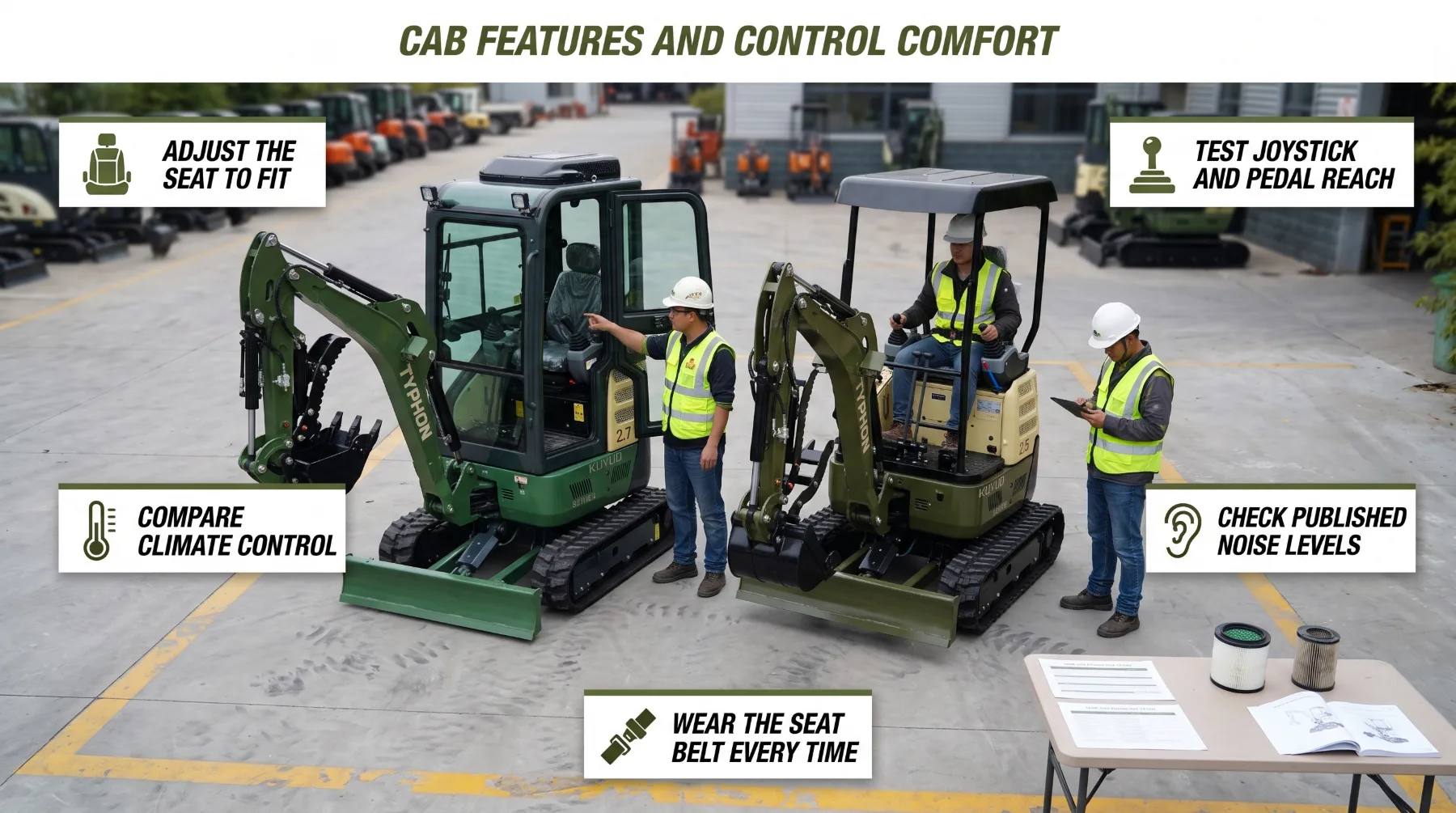
Comfort inside the operator station comes from both the enclosure and the details within it. Enclosed cabs on many mini excavators include heating, air conditioning, interior lighting, storage compartments, cup holders, radio or Bluetooth connectivity, USB charging ports, sun shades, and upgraded seats with suspension and adjustable armrests. Higher-specification models may add digital displays, rearview cameras, and climate controls with automatic temperature settings. Available features vary widely by model and option package.
Open canopy machines usually offer a simpler arrangement. Many share the same seat, joysticks, pedals, and display as the cab version, but without the enclosed comfort features. For operators who spend shorter periods in the seat, that simpler layout may be all they need. Ergonomics matter in either configuration, and they often matter more than the enclosure itself during long shifts. During a demonstration, check seat adjustment for fore-aft travel, height, backrest angle, and suspension. Confirm joystick position sits at a natural height with forearms supported on the armrests, and test travel pedals and auxiliary pedals for comfortable reach without stretching. Check legroom and confirm that gauges, warning lights, and switches are readable in sunlight. Test whether control movements feel smooth and proportional, since jerky controls increase fatigue.
Sit in the machine and operate it rather than judging comfort from photographs or the exterior. A machine that looks comfortable may place the joysticks too low or the seat too close to the pedals for your build. Ask other operators who'll use the machine to try it as well, since one person's comfortable layout may not suit another. Safety equipment comes standard in both configurations, and comfort features should never replace it. The protective structure, seat belt, pilot control lockout, travel alarm, lights, and horn must all work correctly. Never remove or modify the cab, canopy, or protective structure, and never drill into or weld on it, since changes can void its certification. Wear the seat belt whenever the machine operates.
Key takeaway: Cabs may add climate control, better seats, storage, and connectivity, but seat adjustment, joystick and pedal position, and control response drive daily comfort in either configuration, so sit in the machine and test the controls before deciding.
Maintenance, Cost, and Jobsite Suitability
Ownership cost goes beyond the purchase price. Open canopy machines generally have fewer components to maintain, while enclosed cabs add parts that need regular inspection and service. Cab maintenance typically covers door hinges, latches, and gas struts, door and window seals, glass, wipers and wiper motors, cab fresh-air and recirculation filters, the heater core and blower, the air conditioning system, and interior lighting and electrical connections.
Cab air filters deserve particular attention because they protect the operator from dust. Replace them at the manufacturer's specified interval, and more often in dusty conditions. Clean the air conditioning condenser regularly, since packed dust reduces cooling. Air conditioning refrigerant work should be done only by technicians certified to handle refrigerants, as federal rules require. Purchase price also differs. A cab-equipped mini excavator commonly costs more than the same model with a canopy, depending on size, brand, and options. Cab machines are also somewhat heavier, which can matter when the excavator is near the limit of a trailer or tow vehicle rating. Confirm the operating and transport weight for the exact configuration before arranging transport.
Value has to be weighed against that cost. A cab can extend the working season, reduce weather-related downtime, and help keep experienced operators comfortable and productive. In colder regions, cab machines often hold stronger resale value. A canopy machine may be the better investment for a business working mostly in mild weather, doing short jobs, or operating where the machine is frequently transported and handled by several users. Before deciding, consider how many months per year the machine will work in cold, wet, or hot weather, how long operators typically stay in the seat per shift, whether the work generates significant noise or dust, how often the operator needs to leave the seat, whether the machine must fit through low openings or inside buildings, and whether several operators will share it. Compare total ownership cost against expected use rather than focusing only on the initial price.
Key takeaway: Canopies cost less to buy and maintain, while cabs add components that need regular service, so compare total ownership cost, weather exposure, shift length, dust and debris hazards, and transport weight against how the machine will actually be used.
Safe Leak Checks, Lockout, and Service
Every mini excavator carries stored energy, whether it has a cab or a canopy. Pressurized hydraulic oil sits in the hoses and cylinders, a raised boom holds its weight on trapped oil, and the battery supplies electrical energy to the controls and cab systems. Safe service starts by controlling all of it.
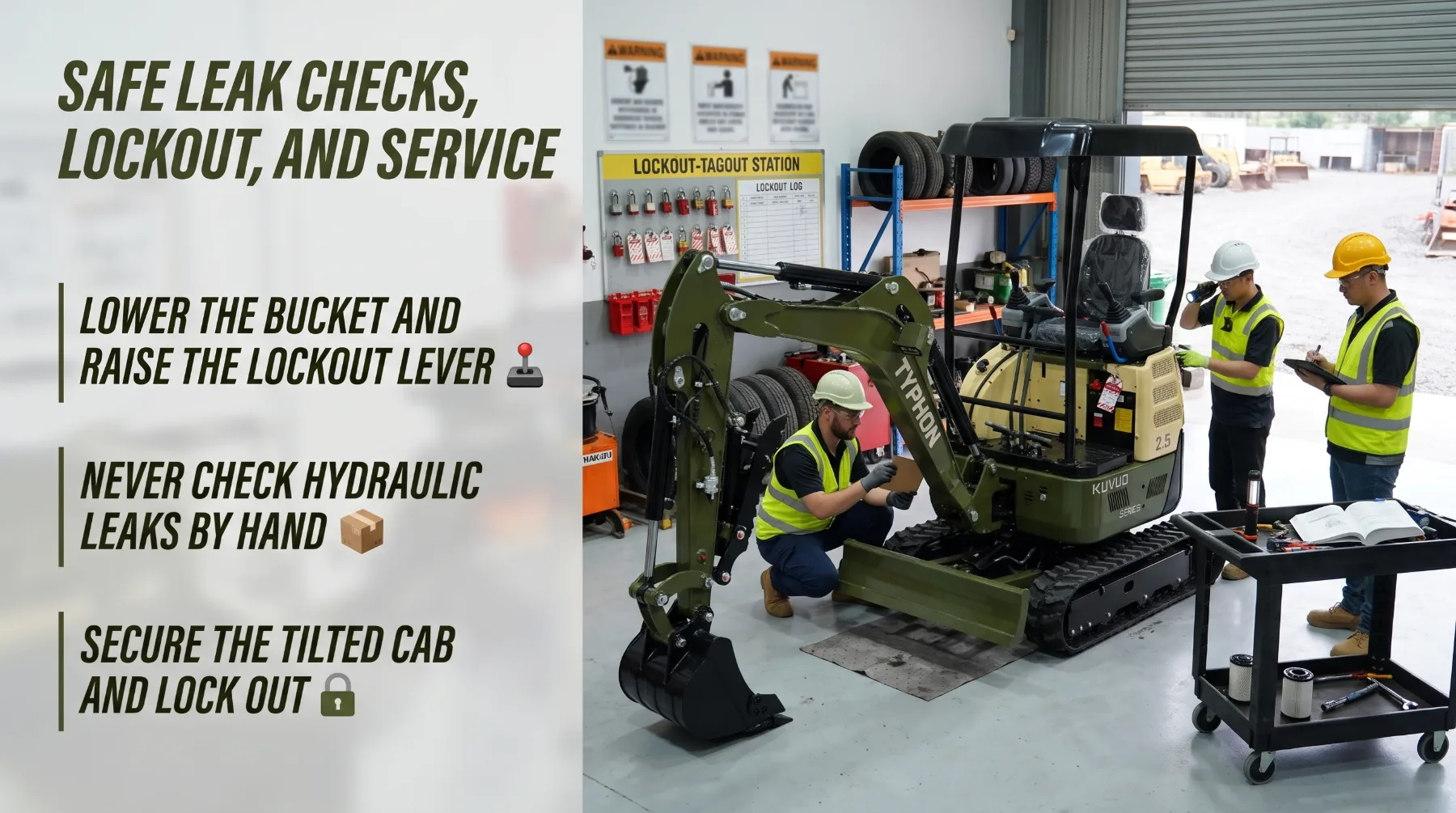
Never use your hand to search for a hydraulic leak. Fluid escaping through a pinhole under pressure can penetrate skin and cause an injection injury. The wound may look like a minor puncture at first, but it's a medical emergency that requires immediate surgical treatment. Hold a piece of cardboard or wood near the suspected hose, fitting, or cylinder gland. Wear gloves and eye protection, and keep your face and body out of line with the leak point. If anyone is struck by escaping hydraulic fluid, get emergency medical care at once and tell medical staff it's a hydraulic injection injury.
Before any inspection beyond the operator's walk-around, and before every repair, follow a complete lockout sequence. Park on firm, level ground away from traffic, trench edges, and slopes. Lower the bucket or attachment and the dozer blade fully to the ground. Raise the pilot control lockout lever to disable the hydraulic controls, shut down the engine, and remove the key. Relieve hydraulic pressure as the manufacturer instructs, disconnect the battery or turn off the battery isolator before electrical, cab, or HVAC work, apply your personal lock and tag, and verify isolation before starting work.
Some mini excavators allow the cab or canopy to tilt forward for access to the hydraulic pump, valves, and hoses beneath the operator station. Follow the manufacturer's tilting procedure exactly, and engage the support stay or lock before anyone reaches beneath the raised operator station. Never rely on hydraulics, a jack, or improvised blocking to hold a tilted cab or canopy. Never work beneath a raised boom, arm, or bucket held only by hydraulics. If a component must stay raised, support it with the manufacturer's approved device. Allow hot engine, exhaust, and hydraulic components to cool before servicing them. Leave hydraulic component repairs, relief pressure work, protective structure inspections after damage, and air conditioning refrigerant service to qualified technicians using the manufacturer's procedures and specified parts. After any repair, check for leaks with cardboard and cycle each function slowly with the area clear before returning the machine to work.
Key takeaway: Check leaks with cardboard or wood rather than your hands, lower the bucket and blade, raise the pilot control lockout, relieve pressure, and lock out before service, and always secure a tilted cab or canopy with its approved support.
Conclusion
Enclosed cab and open canopy mini excavators each support operator comfort in different ways. An enclosed cab provides protection from wind, rain, cold, and heat, and when properly sealed and filtered, it can reduce exposure to noise and dust. Climate control, upgraded seats, and added features help operators stay focused through long shifts and difficult seasons. An open canopy offers a simpler layout, direct awareness of the surroundings, faster entry and exit, and lower purchase and maintenance costs, which suits mild climates and jobs with frequent movement in and out of the seat.
The strongest choice comes from matching the configuration to how the machine will actually work. Weigh local climate, shift length, dust and noise levels, visibility needs, entry and exit frequency, ergonomics, and total ownership cost, and test both configurations in person whenever possible. Pair the right machine with consistent maintenance of cab seals and filters, safe entry and exit habits, cardboard leak checks, and complete lockout before service. That approach keeps operators comfortable, productive, and safe in every season.
Frequently Asked Questions
Is an enclosed cab mini excavator more comfortable?
In most weather, yes. An enclosed cab protects the operator from wind, rain, snow, and direct sun, and models with heating and air conditioning keep the operator comfortable through temperature extremes. Comfort also depends on seat adjustment, joystick and pedal placement, and control response, so test the operator station in person rather than relying on the configuration alone.
Are open canopy mini excavators suitable for outdoor work?
Yes. Open canopy machines are widely used outdoors, especially in mild climates and on jobs where operators frequently step on and off the machine. They work well for landscaping, small utility repairs, and short tasks. Operators should be equipped with suitable clothing, rain gear, and hearing and eye protection for the conditions.
Does an enclosed cab eliminate dust exposure?
No. A cab can reduce dust exposure when its seals, windows, doors, and filtration system are in good condition and the doors and windows stay closed. Worn seals, clogged filters, or open doors reduce that protection. Dust suppression, site controls, and respiratory protection may still be needed where an exposure assessment requires them.
Which configuration is easier to maintain?
An open canopy usually requires less maintenance because it has fewer components. An enclosed cab adds doors, seals, glass, wipers, cab air filters, and heating and air conditioning systems that need regular inspection and service. Both configurations require the same routine engine, hydraulic, and undercarriage maintenance.
Featured Machinery & Equipment
skidsteers.us Featured Equipment
Looking for top-performing heavy equipment, authentic attachments, and dependable jobsite power? Explore verified models backed by manufacturer warranty and nationwide delivery.