

What is a Skid Steer Loader?
Imagine a machine that’s small enough to navigate tight spaces but powerful enough to tackle a multitude of heavy-duty tasks. A machine that can dig, lift, grade, clear, and even break concrete, all with a simple attachment change. If you’ve ever seen a construction site, a farm, a landscaping project, or even a large DIY endeavor, chances are you’ve witnessed this versatile workhorse in action. We're talking about the skid steer loader, an indispensable piece of equipment that has revolutionized efficiency and productivity across countless industries.
Often affectionately called a "skid loader" or "skidsteer," this compact marvel is a true jack-of-all-trades. Its unique steering mechanism, which allows it to pivot within its own footprint, gives it unparalleled maneuverability, making it ideal for environments where larger machinery simply can't go. But its compact size belies its incredible strength and adaptability. From moving mountains of dirt to precisely grading a new driveway, and from clearing snow in the dead of winter to drilling post holes for a new fence, the skid steer's capabilities are vast and varied. This guide will take you on a journey to understand what makes the skid steer such a vital asset, exploring its core functions, the myriad benefits it offers, how one might get started with operating or utilizing one, and best practices for safe and efficient use. Whether you're a curious homeowner, a budding contractor, or simply interested in heavy machinery, prepare to discover the fascinating world of the skid steer loader.
1What is a Skid Steer?
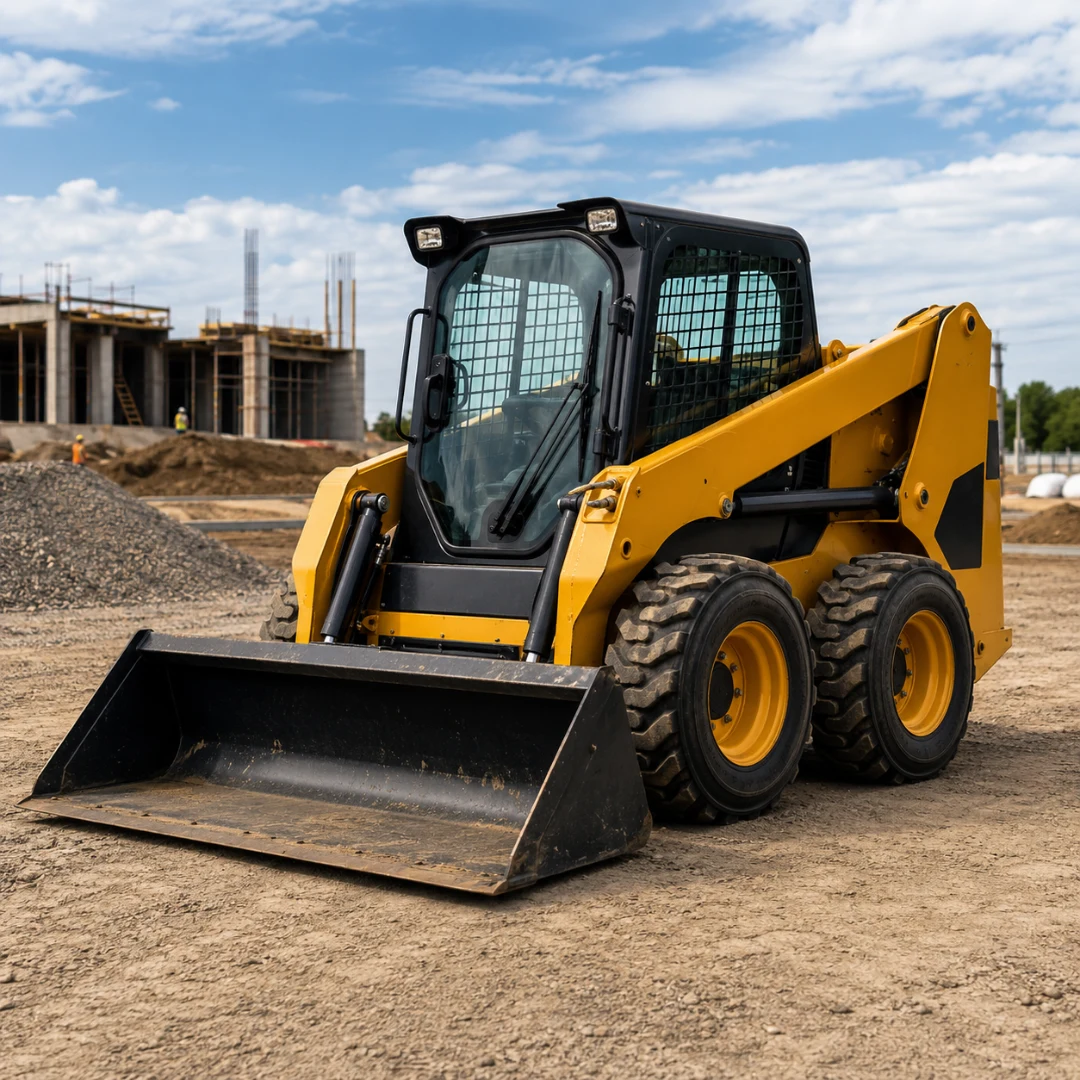
At its core, a skid steer loader is a small, rigid-frame, engine-powered machine with lift arms used to attach a wide variety of labor-saving tools or attachments. Its most distinguishing characteristic, and the origin of its name, is its unique steering system. Unlike traditional vehicles that steer by turning their wheels, a skid steer steers by "skidding" or dragging its fixed-alignment wheels across the ground. This is achieved by operating the wheels on one side of the machine independently of the wheels on the other side. For example, to turn left, the left-side wheels slow down or stop while the right-side wheels continue to move forward, causing the machine to pivot or "skid" around its left side. This allows for zero-radius turns, meaning it can turn completely within its own length, making it exceptionally agile in confined spaces.
Our Skid SteerSkid steers are typically four-wheel drive, though track-driven versions, known as compact track loaders (CTLs), are also very popular, especially on soft or uneven terrain. While technically a different category, CTLs share many operational similarities and attachment compatibilities with wheeled skid steers. The operator sits in an enclosed or open cab, controlling the machine's movement and hydraulic functions via joysticks or hand and foot controls. The engine is usually located at the rear, providing a counterweight for lifting heavy loads. The front of the machine features a quick-attach mechanism, allowing operators to rapidly switch between different implements like buckets, forks, augers, trenchers, and more, transforming the machine's function in minutes. This modular design is a key factor in its remarkable versatility.
Historically, the first skid steer loader was invented in 1957 by brothers Cyril and Louis Keller in Rothsay, Minnesota, to help a farmer mechanize the cleaning of his turkey barns. They developed a small, three-wheeled loader, which was later improved upon by Melroe Manufacturing Company (now Bobcat Company) with a four-wheel design and the distinctive skid-steer capability. Since then, the design has evolved significantly, with improvements in hydraulics, engine power, operator comfort, and safety features. Modern skid steers come in various sizes, from small utility models perfect for residential landscaping to large, powerful machines capable of handling substantial construction projects. Their robust construction, powerful hydraulic systems, and compact footprint make them an indispensable tool across a broad spectrum of applications, from agriculture and construction to demolition and snow removal. Understanding the basic mechanics of how a skid steer operates is crucial to appreciating its widespread utility and the efficiency it brings to countless tasks.
2Key Benefits
The widespread adoption and enduring popularity of the skid steer loader are directly attributable to a compelling array of benefits it offers across various sectors. These advantages translate into significant time savings, cost reductions, and enhanced operational efficiency for businesses and individuals alike.
Firstly, unmatched versatility stands out as a primary benefit. A single skid steer, equipped with a range of attachments, can perform the work of multiple specialized machines, and often, several manual laborers. Imagine a construction site where a skid steer starts the day digging trenches with an auger, then switches to a bucket to move excavated soil, later uses a grapple to clear debris, and finishes by grading the ground with a land plane. This adaptability means less equipment to purchase, maintain, and transport, leading to substantial cost savings. The quick-attach system allows for rapid transitions between tasks, minimizing downtime and maximizing productivity. This adaptability is critical for small businesses and contractors who need to respond to diverse job requirements without investing in a large fleet of single-purpose machines.
Secondly, the skid steer's compact size and exceptional maneuverability are game-changers, particularly in tight or confined spaces where larger machinery cannot operate. Its ability to perform zero-radius turns allows it to navigate narrow pathways, crowded job sites, and intricate landscapes with ease. This is invaluable in urban construction, interior demolition, barn cleaning, or detailed landscaping projects where precision and agility are paramount. For example, a skid steer can easily access a backyard through a standard gate, making it perfect for residential projects like patio installations, garden renovations, or tree removal. This compact footprint also often means less ground disturbance compared to heavier, bulkier equipment, which is an important consideration for maintaining existing landscapes or working on sensitive surfaces.
Thirdly, cost-effectiveness is a significant draw. For many small to medium-sized businesses, purchasing or renting a skid steer is a far more economical solution than acquiring a fleet of specialized equipment. Its fuel efficiency, relatively lower maintenance costs compared to larger machines, and its ability to reduce manual labor hours all contribute to a healthier bottom line. Furthermore, the availability of a vast aftermarket for attachments means that owners can expand their machine's capabilities gradually, investing in new tools as their needs evolve or specific projects arise. This modular approach to equipment ownership makes the skid steer an accessible and scalable solution for a wide range of budgets.
Finally, the skid steer significantly enhances productivity and safety. By mechanizing strenuous and time-consuming tasks like digging, lifting, hauling, and clearing, it drastically reduces the physical strain on workers, minimizing the risk of injuries associated with manual labor. What might take a team of people days to accomplish with shovels and wheelbarrows, a skid steer can often complete in a matter of hours. This speed and efficiency allow projects to stay on schedule and within budget. Modern skid steers also come equipped with advanced safety features, including rollover protective structures (ROPS), falling object protective structures (FOPS), seat belts, interlock systems, and backup alarms, further protecting the operator and those working nearby. The combination of power, precision, and safety makes the skid steer an indispensable asset, transforming how work gets done across countless industries.
3How to Get Started
Embarking on the journey of operating or utilizing a skid steer loader, whether for professional work or personal projects, requires a thoughtful approach to ensure safety, efficiency, and successful outcomes. Getting started involves understanding your needs, selecting the right machine, mastering basic operation, and prioritizing safety.
The first step is to assess your specific needs and project requirements. What tasks do you primarily intend to perform? Will you be moving dirt, clearing brush, digging trenches, grading land, or performing demolition? The nature of your work will dictate the size of the skid steer you need (operating capacity, horsepower), the type of tires (pneumatic for general use, solid for puncture resistance, or tracks for soft terrain), and the essential attachments. For example, a homeowner clearing a small plot might opt for a smaller, lighter model with a general-purpose bucket and perhaps a grapple. A commercial landscaper, however, might require a larger machine with multiple attachments like an auger, trencher, and pallet forks. Understanding the soil conditions, terrain, and space constraints of your work environment is also crucial. Do you need maximum lift height, or is breakout force more important? These considerations will guide your selection process.
Next, you need to decide whether to rent or purchase a skid steer. For occasional use or a one-off project, renting is often the most cost-effective solution. Rental companies offer a range of models and attachments, allowing you to choose exactly what you need for a specific job without the burden of ownership, maintenance, and storage. If you anticipate frequent use, purchasing a new or used skid steer might be a better long-term investment. When purchasing, research reputable brands like Bobcat, John Deere, Caterpillar, Kubota, and Case, considering their reliability, dealer support, and resale value. Always inspect used machines thoroughly or have a qualified mechanic do so.
Once you have access to a skid steer, operator training and safety education are paramount. Never operate a skid steer without proper instruction. Many manufacturers and dealerships offer training programs, and there are also third-party certification courses available. These courses cover machine controls, safe operating procedures, attachment handling, pre-operation checks, and emergency protocols. Key aspects of training include understanding the control scheme (e.g., ISO vs. H-pattern joysticks), learning how to enter and exit the cab safely, understanding load limits, and recognizing potential hazards. Always read the operator's manual thoroughly before starting. Familiarize yourself with all safety decals, warning lights, and emergency shutdown procedures.
Finally, start with basic operations in a clear, open space. Begin by practicing simple maneuvers like driving forward and backward, turning, lifting and lowering the arms, and tilting the bucket. Get a feel for the machine's responsiveness and stability. Practice loading and unloading material, ensuring you understand the machine's center of gravity and how it shifts with different loads. Never exceed the machine's rated operating capacity. Always wear appropriate personal protective equipment (PPE), including hard hat, safety glasses, hearing protection, gloves, and steel-toed boots. Regular maintenance checks, such as inspecting fluid levels, tires/tracks, and hydraulic lines, should become a routine part of your operation. By taking these methodical steps, you can confidently and safely integrate a skid steer into your work, unlocking its full potential. For further guidance on selecting the right machine, consider exploring comprehensive skid steer resources available online and through equipment dealers.
4Best Practices
Operating a skid steer loader effectively and safely requires adherence to a set of best practices that extend beyond basic operational knowledge. These practices ensure longevity of the machine, maximize productivity, and, most importantly, protect the operator and those in the surrounding environment.
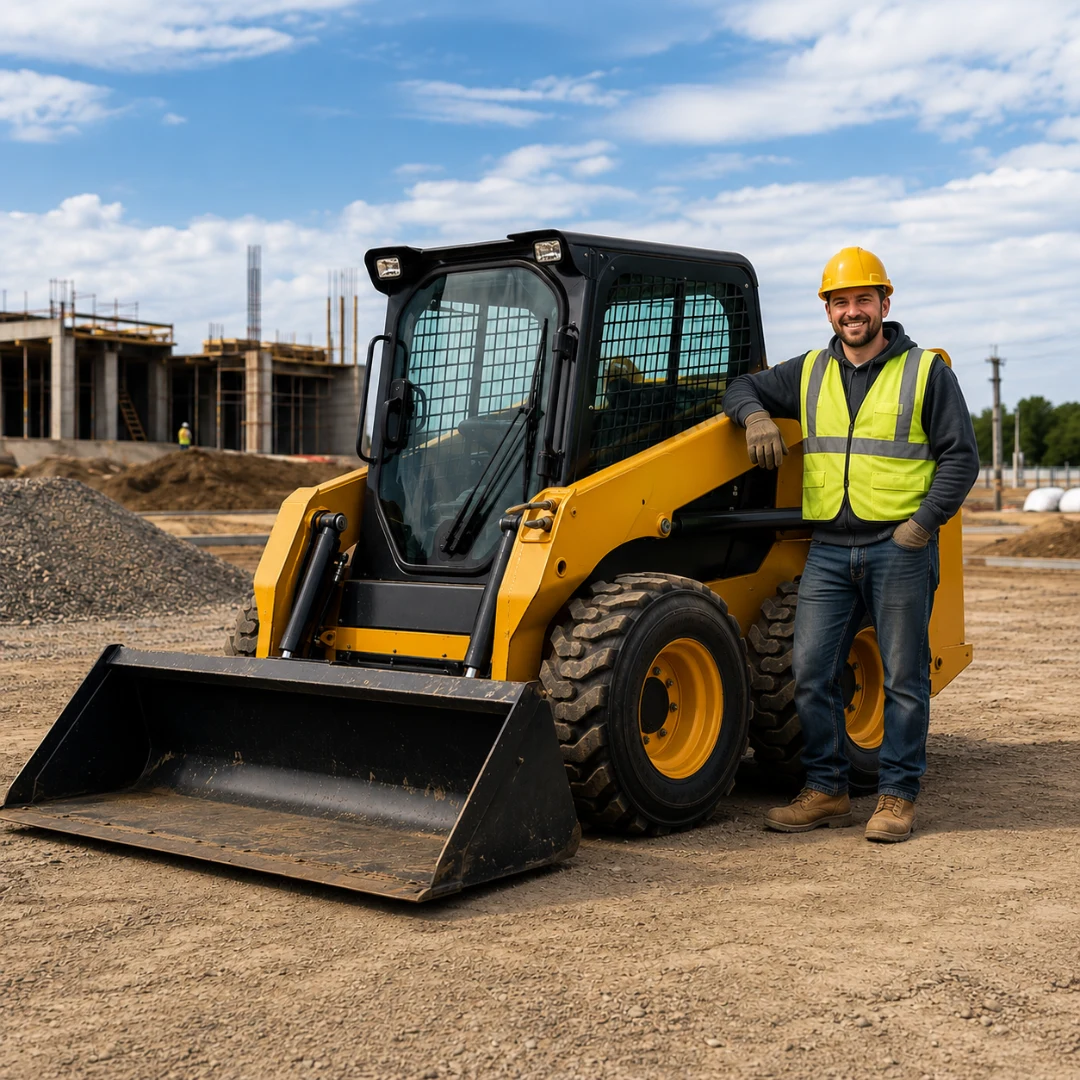
Prioritize Safety Above All Else: This is non-negotiable. Before each use, conduct a thorough pre-operation inspection. Check fluid levels (engine oil, hydraulic fluid, coolant), inspect tires or tracks for damage and proper inflation/tension, verify that all safety guards and decals are in place, test lights, horn, and backup alarms, and ensure all controls are functioning correctly. Always wear appropriate Personal Protective Equipment (PPE), including a hard hat, safety glasses, hearing protection, and steel-toed boots. Ensure the operator's manual is accessible and understood. When operating, keep the seat belt fastened, and never bypass safety interlocks. Be aware of your surroundings at all times, maintaining a clear line of sight and keeping bystanders at a safe distance. Avoid operating on excessively steep slopes or unstable ground, and always lower the loader arms and attachment to the ground when parking or leaving the machine unattended.
Master Load Management and Stability: Understanding the skid steer's rated operating capacity (ROC) is critical. Never exceed this limit, as it can lead to instability, rollovers, and damage to the machine. When carrying a load, keep it as low to the ground as possible, especially when traveling, to maintain a low center of gravity and enhance stability. Drive slowly and smoothly, avoiding sudden turns or stops, particularly on uneven terrain. When traveling up an incline with a loaded bucket, drive forward; when traveling down an incline with a loaded bucket, drive in reverse. This keeps the heaviest part of the machine (the load) uphill, improving stability. For empty buckets, the opposite applies. Always distribute loads evenly within the bucket or on pallet forks to prevent tipping.
Efficient Operation Techniques: To maximize productivity, develop smooth and coordinated control movements. Jerky movements waste fuel, put unnecessary strain on the machine, and can be less precise. When digging, use the bucket's tilt function in conjunction with the lift arms to achieve optimal penetration and fill. For grading, use a consistent speed and a slight angle to the blade or bucket to achieve a smooth finish. When working with attachments, ensure they are correctly mounted and that you understand their specific operational requirements and limitations. For example, when trenching, maintain a steady forward speed that allows the trencher to cut efficiently without bogging down the machine. Regular practice in a safe, open area will significantly improve your proficiency and efficiency.
Regular Maintenance and Upkeep: A well-maintained skid steer is a reliable skid steer. Follow the manufacturer's recommended maintenance schedule diligently. This includes routine oil changes, filter replacements (oil, fuel, air, hydraulic), lubrication of pivot points, and checking hydraulic hoses for leaks or damage. Keep the engine compartment clean and free of debris to prevent overheating and fire hazards. Regularly inspect the quick-attach mechanism for wear and tear, ensuring attachments are securely fastened. Proper maintenance not only extends the life of your machine but also ensures it operates at peak performance, preventing costly breakdowns and downtime. Consult your skid steer guide for detailed maintenance schedules and troubleshooting tips.
Environmental Awareness: Be mindful of the environment you're working in. Avoid unnecessary idling to conserve fuel and reduce emissions. When working near water bodies, take precautions to prevent fuel or oil spills. Always dispose of waste materials, including used oils and filters, responsibly. When working on sensitive landscapes, consider using compact track loaders (CTLs) if available, as their tracks distribute weight more evenly, reducing ground pressure and minimizing soil compaction or damage compared to wheeled skid steers. By integrating these best practices, operators can ensure a safe, productive, and sustainable experience with their skid steer loader.
5Frequently Asked Questions
Understanding the basics of skid steer loaders often leads to more specific questions. Here, we address some of the most common inquiries to further demystify this versatile piece of equipment.
What is a skid steer, truly?
A skid steer loader is a compact, rigid-frame, engine-powered machine characterized by its unique steering system. Unlike conventional vehicles that steer by turning their front wheels, a skid steer turns by "skidding" its wheels across the ground. This is achieved by driving the wheels on one side of the machine independently of the wheels on the other side, allowing it to pivot within its own length (zero-radius turn). It features lift arms at the front to which a wide array of hydraulic-powered attachments can be quickly connected, transforming its function for various tasks like digging, lifting, grading, and clearing. It's often called a "skid loader" or "skidsteer" and is renowned for its maneuverability in tight spaces and its incredible versatility.
How does a skid steer work?
The core functionality of a skid steer revolves around its engine, hydraulic system, and controls. The engine provides power to the hydraulic pump, which in turn pressurizes hydraulic fluid. This fluid is then directed to cylinders and motors that operate the lift arms, tilt the bucket or attachment, and drive the wheels or tracks. The operator uses joysticks or hand and foot controls to manipulate these hydraulic functions. For steering, the controls allow the operator to vary the speed and direction of the wheels on each side independently. For instance, pushing both joysticks forward moves the machine straight ahead, while pushing one forward and pulling the other back causes the machine to turn sharply or "skid" in place. Attachments are connected via a universal quick-attach plate, and hydraulic lines are connected to power functions like auger rotation or trencher movement.
What are the main benefits of using a skid steer?
The primary benefits of using a skid steer loader are its unmatched versatility, exceptional maneuverability, cost-effectiveness, and significant productivity enhancement. Its ability to swap attachments quickly means one machine can perform dozens of different jobs, from excavation and demolition to landscaping and snow removal. Its compact size and zero-radius turning capability allow it to operate in confined spaces where larger equipment cannot go. For many businesses and individuals, renting or owning a skid steer is more economical than acquiring multiple specialized machines. Lastly, by mechanizing strenuous tasks, it drastically reduces manual labor, speeds up project completion, and improves overall job site safety and efficiency.
What's the difference between a skid steer and a compact track loader (CTL)?
While often grouped together due to similar appearance and attachment compatibility, the main difference lies in their undercarriage. A skid steer uses wheels, making it faster on hard, even surfaces like asphalt or concrete. It's generally more agile for quick turns and can be more fuel-efficient in certain applications. A compact track loader (CTL) uses rubber tracks instead of wheels. Tracks provide superior traction and flotation on soft, muddy, sandy, or uneven terrain, distributing the machine's weight over a larger area, which reduces ground pressure and minimizes ground disturbance. CTLs are often preferred for landscaping, forestry, and jobs on sensitive surfaces, though they are typically slower and can be more expensive to maintain due to track wear.
What kind of attachments can a skid steer use?
The range of attachments available for skid steers is incredibly vast, making them truly multi-functional machines. Common attachments include:
Buckets: General purpose, dirt, rock, grapple, snow.
Forks: Pallet forks for lifting and moving materials.
Augers: For drilling post holes or footings.
Trenchers: For digging narrow trenches for utilities or irrigation.
Hydraulic Breakers/Hammers: For breaking concrete or rock.
Brush Cutters/Mowers: For clearing overgrown vegetation.
Sweepers: For cleaning debris from paved surfaces.
Snow Blowers/Plows: For snow removal.
Land Planes/Graders: For leveling and grading surfaces.
Tree Spades: For transplanting trees. This extensive list highlights why the skid steer is considered one of the most versatile pieces of heavy equipment available.
Is it difficult to learn how to operate a skid steer?
Learning to operate a skid steer requires practice and proper training, but it is generally considered accessible for most individuals. The controls are intuitive for many, often using joystick movements that correspond to machine movement and attachment functions. However, mastering the nuances of steering, load management, and efficient operation on various terrains takes time. It's crucial to start with formal training, read the operator's manual, and practice in a safe, open environment before tackling complex tasks. With patience and adherence to safety guidelines, most people can become proficient skid steer operators.
What are the typical applications for a skid steer?
Skid steers are utilized across a multitude of industries and applications, including:
Construction: Excavation, demolition, material handling, site preparation, backfilling.
Landscaping: Grading, digging ponds, moving trees, installing irrigation, clearing brush.
Agriculture: Barn cleaning, feed distribution, hay moving, fence building, land clearing.
Road Maintenance: Pothole repair, sweeping, snow removal.
Demolition: Interior demolition, debris removal.
Forestry: Clearing land, moving logs, mulching.
Mining: Underground operations, material handling. Their adaptability makes them invaluable in almost any situation requiring compact power and versatility.
Conclusion
The skid steer loader, a marvel of compact engineering, stands as a testament to innovation in heavy machinery. From its humble beginnings in a Minnesota turkey barn, it has evolved into an indispensable tool, revolutionizing efficiency and productivity across an astonishing array of industries. We've explored its unique steering mechanism, which grants it unparalleled agility, and delved into the profound benefits it offers: unmatched versatility through its vast range of attachments, exceptional maneuverability in tight spaces, significant cost-effectiveness for businesses of all sizes, and a remarkable boost in productivity and safety on the job site.
Getting started with a skid steer, whether through rental or purchase, requires a thoughtful approach, prioritizing proper training and a deep understanding of safety protocols. Adhering to best practices—from meticulous pre-operation checks and responsible load management to efficient operating techniques and diligent maintenance—ensures that this powerful machine remains a safe and productive asset for years to come. The ability of a single skid steer to transform from a digger to a grader, a lifter to a snow remover, all within minutes, underscores its incredible value.
For anyone involved in construction, landscaping, agriculture, or even ambitious DIY projects, the skid steer loader is more than just a piece of equipment; it's a strategic investment in efficiency, capability, and success. Its compact power and adaptable nature make it an essential partner in tackling the toughest jobs with precision and ease.
Ready to harness the power and versatility of a skid steer for your next project?
Learn more today about specific models, attachments, and training opportunities to unlock the full potential of this incredible machine. Explore our additional skid steer resources for in-depth guides and expert advice.